English
 Arabic
 French
 Spanish
 Portuguese
 Deutsch
 Turkish
 Dutch
 Italiano
 Russian
 Romaian
 Portuguese (Brazil)
 Greek
Dry Masala Grinder for Quality and Consistent Spice Powder
Other |
2026-11-24 07:16:46
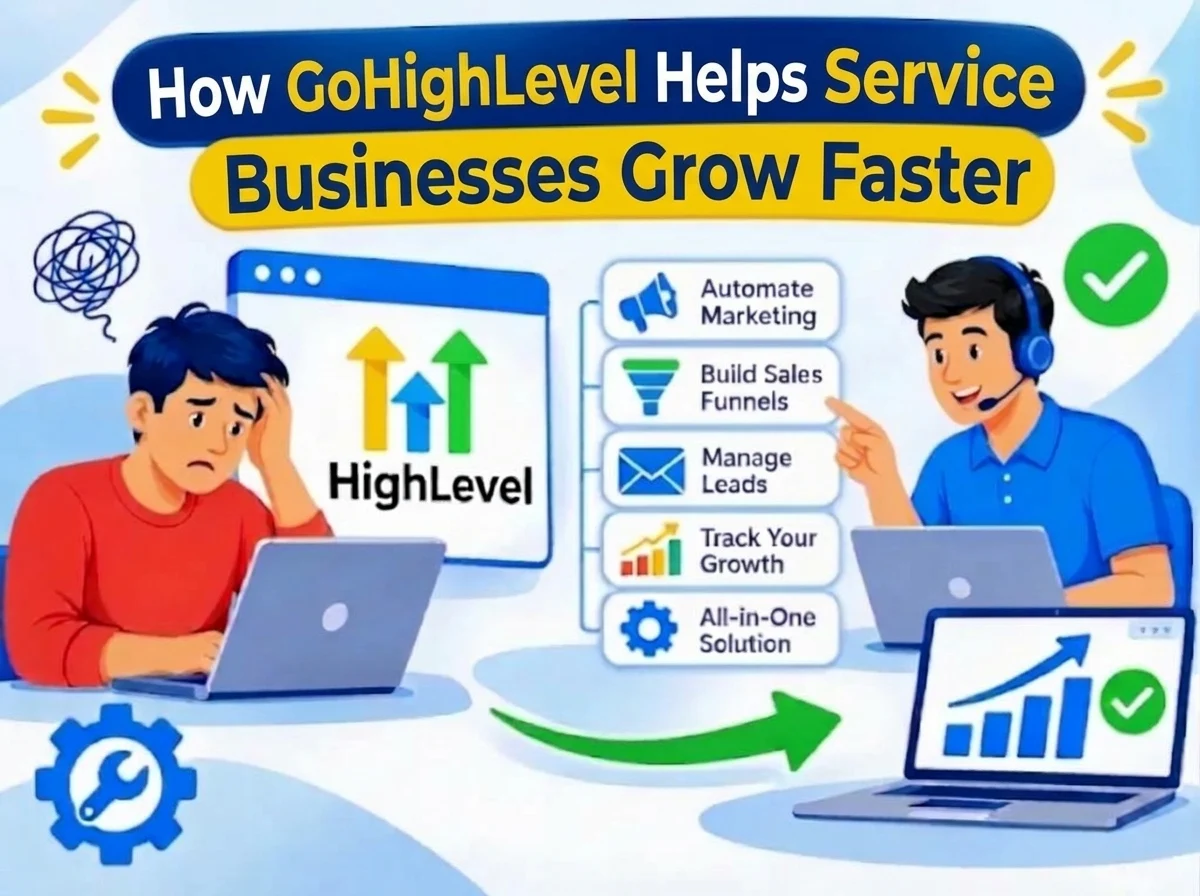
Running a service-based business involves much more than delivering a good service. Business owners also need to attract new customers, respond to enquiries, schedule appointments, maintain communication, and build long-term relationships. Whether someone operates a digital marketing agency, consulting company, coaching business, home service company, or professional service firm, managing these activities efficiently can become challenging as the business grows.
Many service providers use separate applications for contact management, appointment scheduling, email campaigns, customer follow-ups, and sales tracking. Although each tool may solve an individual problem, switching between multiple platforms can make everyday operations complicated. GoHighLevel offers an integrated approach that businesses can explore to organize several marketing and customer management activities in one place. You can visit the official GoHighLevel platform to learn more about its available capabilities.
Service businesses depend heavily on customer communication. A potential customer may discover a company through an online advertisement, visit its website, submit an enquiry, and wait for someone to contact them. If the response takes too long, that person may approach another provider.
Another common challenge is keeping appointment information organized. Business owners may receive booking requests through phone calls, website forms, emails, and social media messages. Without a consistent process, managing availability and following up with customers can take considerable time.
There is also the challenge of maintaining relationships after a service has been delivered. Businesses that do not communicate with previous customers may miss opportunities for repeat bookings, referrals, and additional services. A structured customer management system can help address these operational gaps.
Customer information is valuable for every service provider. Knowing who contacted the business, what service they requested, when they were last contacted, and what action is required next can make customer management easier.
A CRM system helps organize these details so that businesses do not have to depend entirely on scattered notes or spreadsheets. With GoHighLevel, users can explore contact management and opportunity tracking features to organize customer interactions and monitor potential sales.
For example, a home improvement company might categorize enquiries according to the type of service requested. A consulting firm might organize prospects according to their business requirements, while a marketing agency could track conversations with different client accounts. This approach makes it easier to understand customer needs and maintain organized communication.
Appointments are an important part of many service businesses. Consultants, coaches, agencies, repair professionals, and healthcare-related service providers often need a reliable way to coordinate meetings with prospective and existing customers.
A convenient booking process allows customers to take the next step without unnecessary back-and-forth communication. Businesses can explore appointment scheduling options to organize booking availability, confirmations, and reminders according to their workflow.
Appointment management can also help teams prepare for upcoming meetings. Instead of searching through separate messages to understand why someone booked an appointment, staff members can review available customer information and prepare relevant questions before the discussion.
The result is a more organized booking experience for both the customer and the business.
A customer may not purchase a service immediately after the first conversation. Some people need additional information, time to compare providers, or a follow-up discussion before making a decision. If businesses do not maintain communication, these opportunities can easily be forgotten.
A planned customer follow-up strategy helps businesses stay connected with prospects without relying on memory alone. Depending on the customer's actions and communication preferences, businesses can organize follow-up messages, reminders, and other workflow activities.
For example, someone who requests a service quotation may receive a relevant follow-up after the initial discussion. A person who books a consultation may receive an appointment reminder. These processes can help maintain communication while allowing staff to focus on conversations that require personal attention.
Businesses should always ensure that marketing messages follow applicable consent requirements and customer communication preferences.
A service business often offers several solutions, but not every potential customer is interested in the same service. Sending all website visitors to one general page may make it difficult for them to find the information they need.
Dedicated landing pages can present individual services with relevant descriptions, benefits, customer information, and clear calls to action. For example, a web development company could create separate pages for website design, e-commerce development, and website maintenance. Each page could include an enquiry form designed around that particular service.
This structure helps businesses communicate more clearly with different audiences. It can also make campaign tracking and conversion optimization more focused because each page has a defined purpose.
GoHighLevel provides funnel-related capabilities that businesses can explore when creating customer acquisition journeys and organizing their marketing activities.
Communication is a continuous responsibility for service providers. Customers may need booking confirmations, service updates, appointment reminders, or additional information before making a purchase.
Managing every message manually can become difficult when a business receives a growing number of enquiries. Marketing automation can help organize repetitive communication tasks and create more consistent workflows.
For example, a business could plan a sequence that begins when someone submits an enquiry form. The workflow might include an acknowledgement, an internal notification, and a later follow-up task. The exact sequence should be designed according to the business's services and customer expectations.
Businesses can explore the GoHighLevel Starter and Unlimited Annual Plans to review the available plan options and determine whether they meet their operational requirements.
Marketing agencies frequently work with businesses that need different combinations of lead generation, website funnels, customer management, and marketing automation. Handling every client workflow independently can increase administrative work and make service delivery harder to standardize.
A centralized platform can help agencies organize campaign processes, manage client-related activities, and develop repeatable workflows. For example, an agency could establish a standard process for onboarding a new client, collecting campaign information, setting up lead capture, and monitoring enquiries.
This does not mean every client should receive the same strategy. Each business has a different target audience and sales process. However, reusable operational frameworks can help agencies reduce repetitive setup work while still adapting campaigns to individual requirements.
Agencies considering a broader business setup can review the GoHighLevel Founder Plan and check the official information about its current features, eligibility, and terms.
Finding a new customer is important, but maintaining relationships with existing customers can also contribute to business growth. A customer who has already purchased a service may return for additional work, recommend the business to someone else, or choose the company again when a new requirement arises.
Businesses can organize customer engagement activities such as service updates, useful educational emails, feedback requests, and relevant offers. These interactions should provide genuine value rather than sending unnecessary promotional messages.
A thoughtful customer retention strategy helps companies remain connected with their audience. Businesses can use organized contact records and communication workflows to identify opportunities for meaningful engagement while respecting customer preferences.
Growth should not be measured only by the number of enquiries a business receives. It is also important to understand how many enquiries become appointments, how many appointments lead to sales, and which services generate the strongest results.
Businesses can review performance indicators such as enquiry volume, response time, appointment bookings, conversion rates, repeat purchases, and customer retention. These measurements can help identify where the sales process is working well and where improvements may be necessary.
For example, a company may receive many enquiries but struggle to convert them into appointments. This could indicate a need to improve its service messaging, response process, or booking experience. Another business may have a strong appointment rate but a low sales conversion rate, suggesting that its consultation or pricing process needs attention.
Using available CRM and campaign information can help businesses make more informed decisions instead of relying only on assumptions.
A platform becomes more useful when the people using it understand how its tools fit into their daily responsibilities. Business owners should begin with essential activities such as organizing contacts, managing opportunities, creating a basic landing page, and setting up a straightforward follow-up process.
After understanding these fundamentals, teams can gradually explore more advanced automation and campaign management options. Testing workflows before using them with real customers is also important because incorrect messages, booking settings, or contact conditions can create a poor customer experience.
People who want structured guidance can explore the 30-Day HighLevel Bootcamp and review the current training details on the official website.
The right platform setup depends on the size of the business, the number of users, the required workflows, and the services being managed. A solo consultant may have different needs from an agency serving multiple clients. It is therefore important to compare plan features rather than choosing an option based only on its name.
Businesses can review the GoHighLevel pricing page to compare the current plans and their listed details. Existing users can also check the in-app upgrade options to see whether additional capabilities are relevant to their requirements.
Before making a purchase, check the official terms, feature availability, account limits, and any additional charges that may apply.
Service businesses need organized systems to manage enquiries, appointments, customer communication, and long-term relationships. When these activities are handled through disconnected tools or manual processes, important information can become difficult to track and everyday operations may take more time than necessary.
GoHighLevel gives service providers and marketing agencies a platform to explore for CRM management, funnel building, communication, and automation workflows. The value of any platform depends on how well it supports the company's actual business process. By creating a clear customer journey, maintaining timely communication, and reviewing performance regularly, service businesses can build a more organized foundation for sustainable growth.
Marketing agencies, consultants, coaches, freelancers, and various service-based businesses can explore GoHighLevel according to their CRM and marketing requirements.
It offers tools that businesses can explore for organizing customer information, managing opportunities, building funnels, and coordinating communication workflows.
Businesses can use its CRM-related capabilities to organize contact information and track potential customer interactions.
Yes. An organized booking process can make it easier for customers to request appointments and help businesses coordinate their schedules.
GoHighLevel provides funnel and landing-page-related capabilities that businesses can explore for presenting services and collecting enquiries.
Organized follow-up workflows can reduce repetitive manual tasks and help businesses maintain more consistent communication with prospects.
Agencies can explore its available account and client management capabilities to organize their marketing operations. They should verify the current plan limits and features.
Businesses can organize communication and customer engagement workflows that help maintain relationships with existing customers.
Beginners can explore official learning resources and training options, including the HighLevel Bootcamp.
Businesses should compare their user requirements, workflow needs, account limits, budget, and the features included in each current plan.