English
 Arabic
 French
 Spanish
 Portuguese
 Deutsch
 Turkish
 Dutch
 Italiano
 Russian
 Romaian
 Portuguese (Brazil)
 Greek
self adhesive floor protection film manufacturer
Causes |
2026-11-21 21:54:20
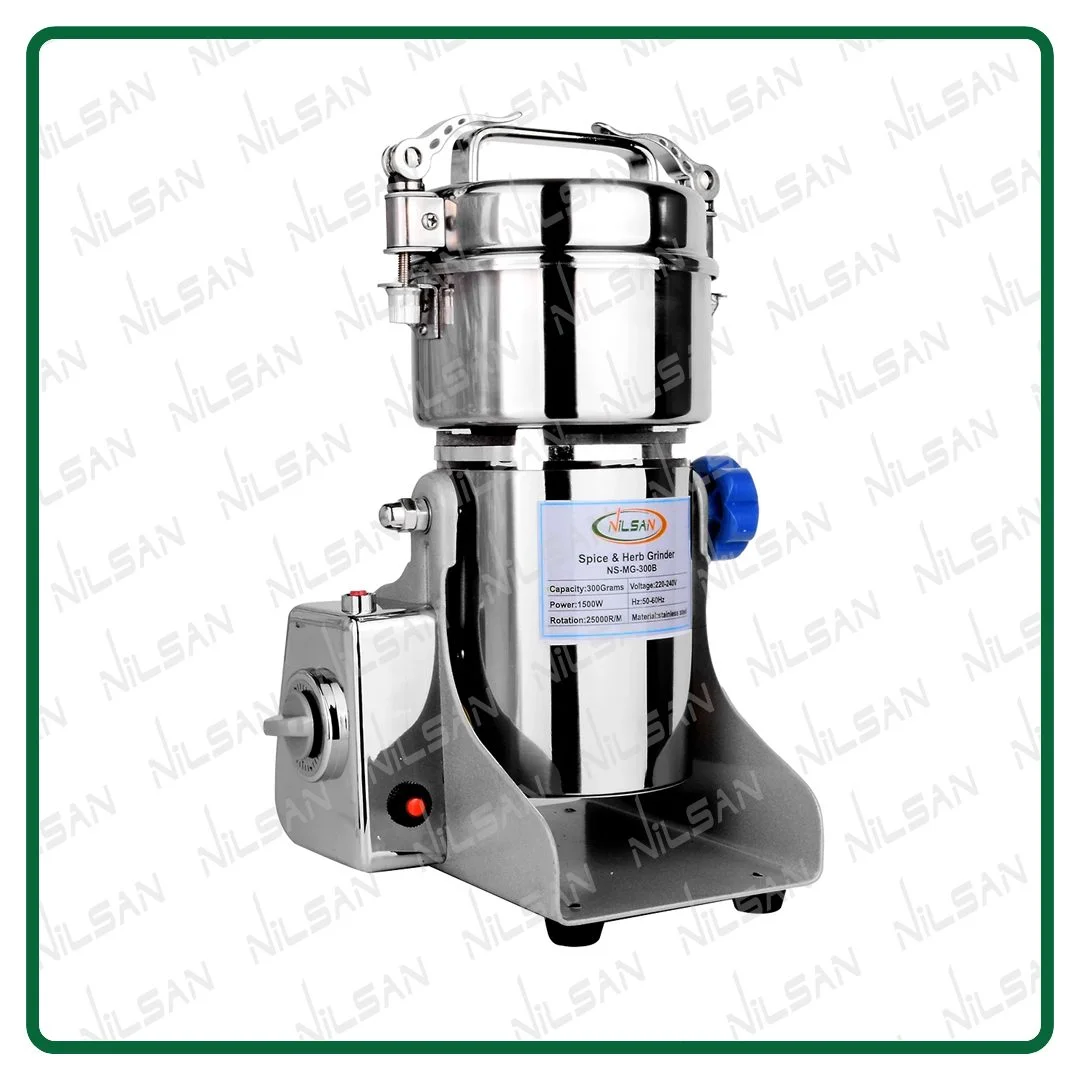
The quality of spice powder depends on more than the ingredients used to prepare it. Grinding methods, temperature, cleaning, storage, and batch handling all influence the final product. A Dry Masala Grinder helps food businesses process whole spices into powder for cooking, packaging, and commercial use. However, achieving good results requires the right approach at every stage of production.
Whether you operate a spice manufacturing unit, food processing business, restaurant, or small masala production setup, maintaining consistent quality is important. Customers expect the same flavour, aroma, and texture whenever they purchase a product. A well-managed grinding process can help businesses meet these expectations.
A Dry Masala Grinder is used to grind suitable dry spices into powder. It helps businesses process ingredients such as turmeric, coriander, cumin, black pepper, chilli, and other dried spices according to their requirements.
Manual grinding may become difficult when production quantities increase. It can also create variations in particle size and require more time for repeated batches. A suitable grinding machine makes it easier to manage regular spice processing.
For businesses producing packaged masala, consistency is particularly important. If one batch is too coarse and another is too fine, the finished products may have different textures. Using appropriate grinding equipment and operating methods helps maintain a more controlled process.
Good-quality powder starts with properly selected raw materials. Using damaged, contaminated, or poorly dried spices can affect the final product, regardless of the grinding machine used.
Before processing, businesses should pay attention to the following factors:
Raw material quality: Select clean spices that are suitable for the intended product.
Moisture control: Ensure that spices are sufficiently dry for the selected grinding process.
Foreign material removal: Remove stones, dust, stems, and other unwanted materials.
Proper sorting: Separate damaged or unsuitable ingredients before grinding.
Storage conditions: Keep raw spices in clean, dry storage areas before processing.
Different spices have different physical properties. Some are hard, while others contain more natural oils or fibres. Preparing each ingredient according to its characteristics helps create a smoother production process.
The aroma of spices is an important part of their quality. Ingredients such as cumin, coriander, black pepper, and cardamom contain natural aromatic compounds that contribute to their characteristic smell and flavour.
Excessive heat during grinding may affect some of these compounds. Therefore, businesses should pay attention to grinding duration, batch size, and machine operating conditions.
A few useful practices include:
Avoid overloading the grinding chamber.
Follow the recommended operating instructions.
Use suitable batch sizes for different ingredients.
Allow the machine to cool when required by the manufacturer's instructions.
Avoid unnecessarily repeated grinding.
Store finished powder in appropriate sealed packaging.
These practices help businesses manage the grinding process more carefully and maintain the desired characteristics of their spice products.
Not every spice product requires the same powder texture. Some applications need a fine powder, while others may require a slightly coarse consistency.
For example, turmeric and chilli powder used in packaged food products may require a different texture from coarsely ground spices used in particular recipes.
Particle size can influence:
How easily the powder mixes with other ingredients.
The appearance and texture of the finished product.
How the spice behaves during cooking.
The consistency of packaged masala blends.
Businesses should select suitable grinding settings and mesh or sieve arrangements according to the product requirements and machine specifications. If a particular batch contains larger particles, sieving may help separate them for further processing where appropriate.
When a business processes multiple spices using the same equipment, cleaning between batches becomes important. Small amounts of previously processed material may remain inside the grinding chamber or other machine components.
For example, traces of chilli may affect the flavour of a coriander powder batch. Similarly, strong-smelling spices may influence the aroma of other ingredients.
To reduce this risk:
Clean the grinding chamber according to the manufacturer's instructions.
Remove leftover powder before starting another batch.
Use separate containers for different ingredients.
Keep raw materials and finished powders clearly labelled.
Follow a regular cleaning schedule.
Businesses producing spice blends should also maintain proper records of ingredient quantities and batch details. This makes it easier to repeat formulations and maintain consistent product quality.
Grinding is only one part of spice production. Proper storage is equally important because ground spices can lose aroma and absorb moisture if they are not handled correctly.
After grinding, allow the powder to reach a suitable temperature before packaging, following the applicable food-safety procedures. Store it in clean, food-grade, airtight containers.
Keep finished products away from:
Direct sunlight.
Excessive heat.
Moisture and damp areas.
Strong-smelling materials.
Dust and other contaminants.
For packaged spice businesses, suitable packaging and clear labelling also help maintain product quality during storage and transportation.
The right machine depends on the type of spices, expected production quantity, required powder texture, and available workspace.
Before selecting a Dry Masala Grinder, businesses should evaluate their daily grinding requirements and the materials they intend to process. It is also useful to check the machine's specifications, cleaning requirements, power needs, and available model options.
Nilsan India offers different Masala and Herbs Grinder models, including NS-MG-100A, NS-MG-300B, NS-MG-500B, NS-MG-1000B, NS-MG-2000B, and other options. Businesses can compare the available models to identify equipment that matches their processing needs.
If a business also handles edible oil production, it may require separate machinery for that process. An Oil Expeller is used for extracting oil from suitable oilseeds, whereas a Dry Masala Grinder is designed for grinding suitable dry ingredients. Selecting separate equipment for these operations helps maintain an organised production setup.
Producing good-quality spice powder requires careful attention to raw materials, grinding conditions, particle size, hygiene, and storage. A Dry Masala Grinder can support regular spice processing, but maintaining consistent results also depends on how the machine and ingredients are handled.
For spice manufacturers, food processors, and growing businesses, choosing equipment according to actual production requirements is an important step. With proper preparation, cleaning, and storage practices, businesses can maintain better control over their spice grinding operations.
Nilsan India provides Masala and Herbs Grinder options for different processing requirements. Explore the available models and select a suitable machine for your spice production needs.