English
 Arabic
 French
 Spanish
 Portuguese
 Deutsch
 Turkish
 Dutch
 Italiano
 Russian
 Romaian
 Portuguese (Brazil)
 Greek
AI Brand Monitoring Tool: How to Track Brand Mentions Across AI Platforms
Other |
2026-11-18 07:53:33
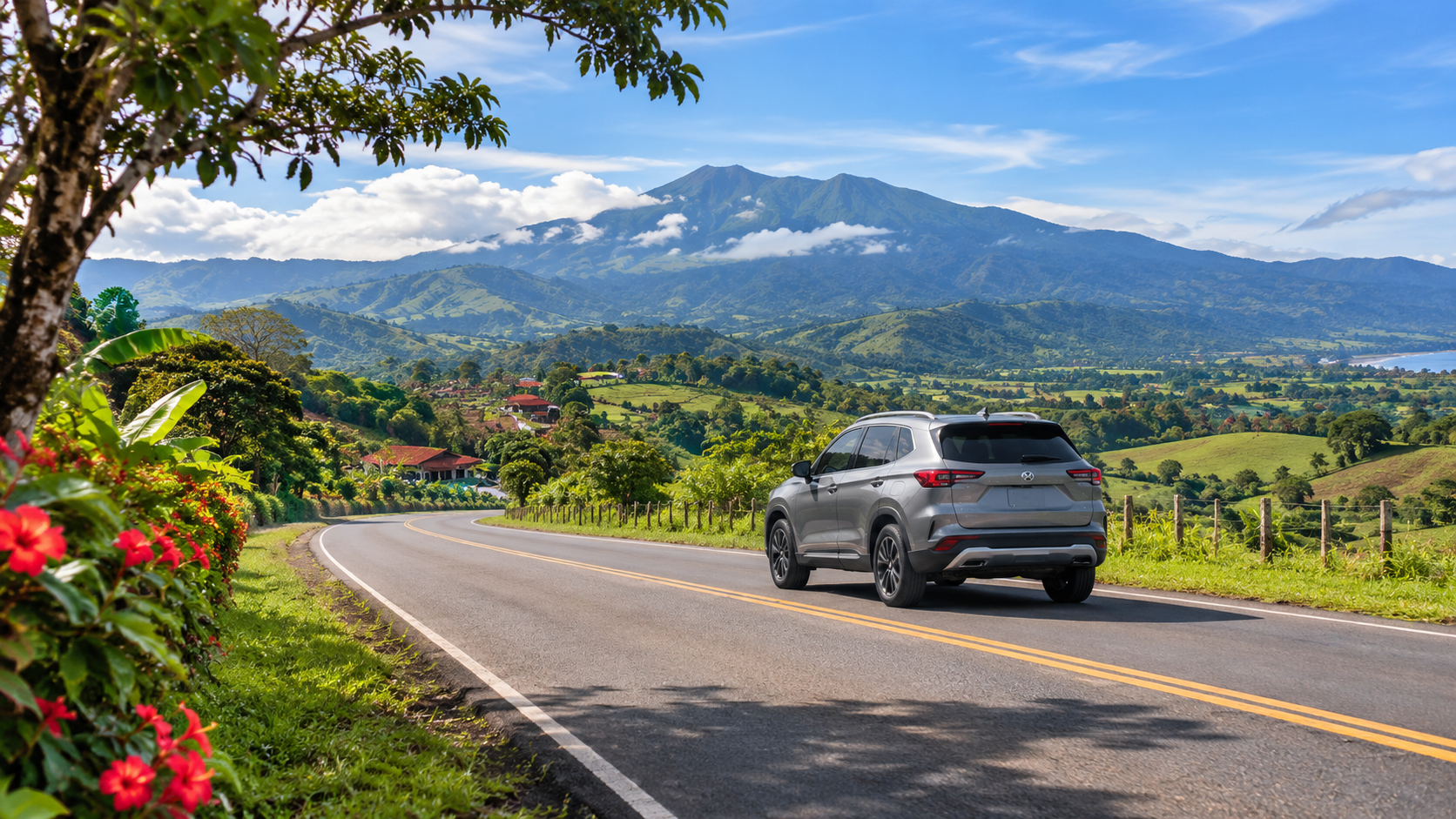
David is Panama’s practical gateway to the country’s western highlands, Pacific coast, and coffee country. For travelers arriving at Enrique Malek International Airport or crossing from Costa Rica, choosing to rent a car david panama turns a series of scattered destinations into a flexible, self-directed itinerary. The city itself is a working provincial capital rather than a major sightseeing base, but its location makes it one of Panama’s most rewarding places to begin a road trip.
Chiriquí Province rewards drivers who plan around weather, road conditions, and realistic daily distances. Boquete, Volcán, Cerro Punta, the Gulf of Chiriquí, and the border region each offer a different landscape, yet they are close enough to combine over several days. This guide outlines the routes that justify a rental car, explains when a standard vehicle is sufficient, and covers the practical details that matter before you leave David.
David sits in western Panama, roughly 70 kilometers from Boquete according to Panama’s Tourism Authority destination plan, which describes the David–Boquete road as a well-maintained dual-carriageway route. That connection is the core reason the city works so well as a base: visitors can land, collect a vehicle, and reach the highlands without committing to a long transfer.
The province also has an official tourism presence in both David and Boquete, with visitor-information offices listed by the Autoridad de Turismo de Panamá. This matters for independent travelers because Chiriquí is not a single compact resort area. It is a region of valleys, mountain roads, agricultural communities, national parks, and coastal access points, where public transport can be infrequent outside main corridors.
A rental car is most valuable for travelers who want to:
Reach trailheads, coffee farms, waterfalls, and viewpoints at their own pace
Combine highland and coastal destinations without changing hotels repeatedly
Travel early or late in the day, when scheduled transport may be limited
Carry hiking gear, photography equipment, or family luggage comfortably
Stop in smaller towns such as Volcán, Cerro Punta, and Boquete without relying on taxis
For a short stay focused only on central Boquete, a car is less essential. For a three- to seven-day Chiriquí itinerary, it usually becomes the most efficient option.
The first road trip most visitors should plan is David to Boquete. The drive is short enough for an arrival day, but the change in scenery is substantial: David’s lowland heat gives way to cooler air, cloud forest, rivers, and steep hillsides as the road climbs toward the highlands.
Boquete is best treated as a base rather than a single stop. The surrounding area includes coffee farms, hiking routes, river valleys, and small communities such as Bajo Mono and Palmira. Panama’s Tourism Authority lists several Chiriquí agro-tourism operations in and around Boquete, including farms offering produce, walking routes, lodging, and rural experiences.
A standard compact car or sedan is generally suitable for the main David–Boquete route and for staying around town. The route is paved and well used, but mountain driving requires more attention than highway driving: sharp curves, narrow sections, fog, and occasional rain can change the experience quickly.
Travelers heading farther into rural areas, particularly toward trail access points or farms on unpaved side roads, should ask the rental operator whether the vehicle is appropriate for the specific route. A higher-clearance vehicle can be useful after heavy rain, but it is not automatically necessary for every highland trip.
A sensible first-day plan is to collect the car in David, drive to Boquete in daylight, and use the afternoon for an easy orientation drive or a visit to a nearby coffee farm. Save longer mountain excursions for a full day, when weather and daylight are less constrained.
The drive from David toward Volcán and Cerro Punta is one of Panama’s most scenic road trips. It takes travelers through agricultural valleys and toward the foothills of Volcán Barú, Panama’s highest peak. Cerro Punta is known for its cooler climate, vegetable farms, and access to highland landscapes, while Volcán serves as a practical stop for supplies, lodging, and local exploration.
This route is particularly appealing to travelers interested in hiking, birdwatching, coffee, and rural scenery. It also pairs well with Boquete: rather than returning to David after every excursion, visitors can build a loop that includes both sides of the highlands.
Roads toward Cerro Punta, Volcán, and nearby trail areas can become muddy, slippery, or uneven after sustained rain. Local rental guidance for Chiriquí specifically notes that a 4x4 can make these drives more comfortable, while a standard car remains reasonable for David and central Boquete.
That distinction is important. Renting a 4x4 does not remove the need for caution, and it should not encourage drivers to attempt routes that are flooded, washed out, or clearly beyond the vehicle’s capability. Before setting out, check the day’s weather, ask accommodation hosts or rental staff about current road conditions, and avoid driving unfamiliar mountain roads after dark.
For most visitors, a practical approach is:
Use a standard vehicle for David, Boquete, and main paved routes
Consider an SUV or higher-clearance vehicle for rural highland roads during the wetter months
Avoid committing to remote routes on arrival day
Allow extra time for fog, rain, livestock on rural roads, and slower local traffic
David is also a useful starting point for the Gulf of Chiriquí, where the landscape changes from mountain roads to coastal plains, fishing communities, and access points for marine excursions. This direction suits travelers who want beaches, boat trips, mangroves, and island visits rather than another day in the highlands.
A rental car makes this itinerary easier because coastal destinations are spread out and public transport schedules may not align with boat departures. Having a vehicle also allows travelers to stay overnight near the coast rather than treating the Gulf as a rushed day trip from the highlands.
The road trip is only part of the journey. Many Gulf of Chiriquí experiences involve a boat transfer, so drivers should confirm departure times, parking arrangements, and whether the final access point has secure parking. A car is useful for reaching the coast, but it cannot replace the marine leg of the itinerary.
For this route, a standard vehicle is usually adequate on main roads. The more important preparation is timing: leave enough buffer to reach the departure point before the boat, especially during rainy periods when road travel can take longer than expected.
A rental car is most worthwhile when the itinerary has a clear shape. The following framework balances driving time with time outside the vehicle.
|
Day |
Suggested route |
Why it works |
|
Day 1 |
Arrive in David, collect the car, drive to Boquete |
A manageable first drive and time to settle into the highlands |
|
Day 2 |
Boquete and nearby coffee or nature excursions |
Lets travelers explore without a long transfer |
|
Day 3 |
Boquete to Volcán or Cerro Punta |
A scenic highland route with flexible stops |
|
Day 4 |
Return toward David and continue to the Gulf of Chiriquí |
Combines mountain and coastal landscapes |
|
Day 5 |
Coastal excursion, then return to David or the airport |
Keeps the final day realistic around flight or boat schedules |
This structure avoids the common mistake of treating Chiriquí as a collection of isolated day trips. It also leaves room to adjust if weather closes a trail, a road becomes difficult, or a boat departure changes.
Rental requirements can vary by operator, but travelers should distinguish between what Panama requires for driving and what a particular rental company requires for its own risk and deposit policies.
Visitors can generally drive in Panama on a valid foreign driver’s license for up to 90 days after entering the country. A valid passport with an entry stamp, a license in the main driver’s name, and a credit card for the security deposit are commonly requested at pickup. These are typical industry practices as well as practical travel requirements, so the exact deposit amount, accepted payment methods, age rules, and insurance terms should be confirmed with the chosen operator before booking.
Third-party liability insurance is required for rental vehicles in Panama. Travelers should ask exactly what is included, what remains their financial responsibility, and whether optional coverage reduces their excess or deductible. Do not assume that a credit-card benefit, travel insurance policy, or basic rental coverage covers every type of damage.
Keep the following accessible while driving:
Passport with the Panama entry stamp
Valid driver’s license
Rental agreement and insurance documentation
Credit card used for the booking or deposit
Emergency contact details for the rental operator
An International Driving Permit is not always mandatory for visitors, but it can be useful supporting identification, particularly for travelers whose home license is not in English or Spanish.
Price matters, but the cheapest quoted rate is not always the lowest total cost. Before committing, compare the vehicle class, insurance excess, mileage policy, deposit hold, pickup location, after-hours fees, and whether the car is suitable for the roads on your itinerary.
Travelers who want to compare offers from different operators can use a marketplace such as YalaRide, which presents rental options and allows customers to bid on car rental requests rather than accepting a single listed price. The platform states that operators generally ask for a valid license in the main driver’s name, photo identification, and a card for the security deposit, while noting that requirements vary by booking.
This approach can be especially useful for Chiriquí itineraries because vehicle needs differ sharply by route. A visitor staying in central Boquete may be comfortable with a compact car, while someone planning Cerro Punta side roads or traveling during a wet period may prefer more clearance. Comparing options before arrival reduces the chance of accepting a vehicle that does not match the trip.
For travelers beginning their journey in the capital, car hire panama city car hire panama city can also be relevant, particularly for those planning a longer overland route to Chiriquí. However, visitors flying directly into David should weigh the extra driving time against the convenience of collecting a vehicle closer to the highlands.
Chiriquí’s roads are generally manageable, but the region demands more attention than a flat urban drive. Rain can arrive quickly, fog can reduce visibility in the highlands, and rural roads may include pedestrians, cyclists, motorcycles, livestock, and slow agricultural traffic.
A few habits make a meaningful difference:
Drive with headlights on during rain, fog, or low visibility
Reduce speed on curves and descents, even if the road appears clear
Avoid overtaking on blind bends or narrow sections
Do not drive unfamiliar mountain roads at night
Keep fuel topped up before remote stretches
Carry water, a phone charger, and offline maps
Check road and weather conditions before longer highland drives
These precautions are not overly cautious; they reflect the practical reality of driving through a region where weather and terrain can change conditions within a short distance.
Yes. David is a strong base for exploring Boquete, Volcán, Cerro Punta, and the Gulf of Chiriquí. It is especially convenient for travelers arriving at David’s airport or entering Panama from Costa Rica.
Not always. A standard car is generally suitable for David, Boquete, and main paved routes. A higher-clearance vehicle can be more comfortable for rural highland roads, particularly after heavy rain, but route conditions should determine the choice.
US visitors can generally drive on a valid US license for up to 90 days after entry. They should also carry a passport with an entry stamp and confirm the rental operator’s identification and deposit requirements.
Third-party liability insurance is required for rental vehicles in Panama. The scope of coverage, deductible, and optional protection vary by operator, so review the rental agreement before driving away.
Three days can cover Boquete and one highland excursion, but five days provides a more balanced itinerary that includes the Gulf of Chiriquí and allows flexibility for weather or road conditions.