English
 Arabic
 French
 Spanish
 Portuguese
 Deutsch
 Turkish
 Dutch
 Italiano
 Russian
 Romaian
 Portuguese (Brazil)
 Greek
Built for Families: Why Multi Utility Vehicle MUV Family Vehicles Dominate
Other |
2026-09-25 05:40:16
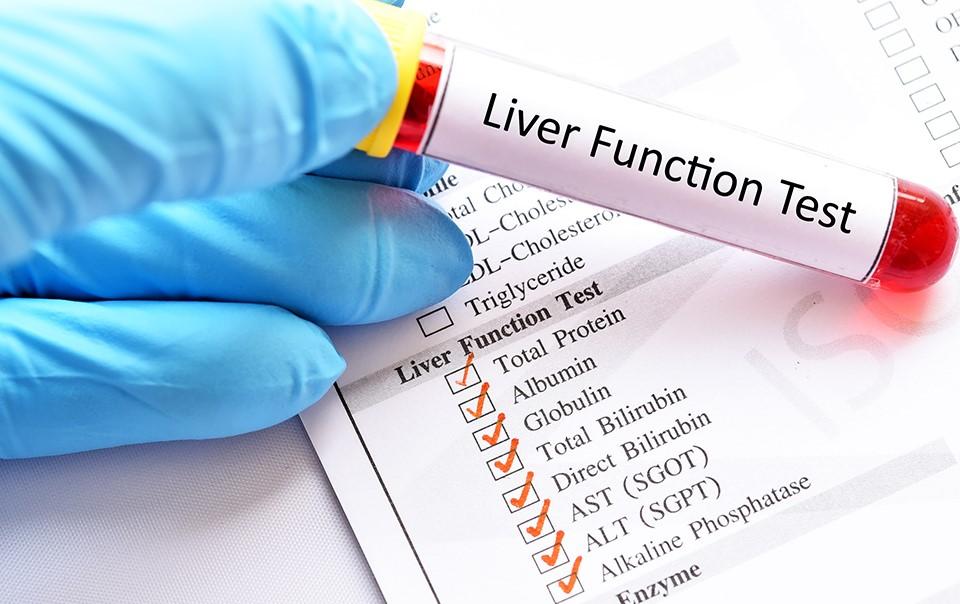
My uncle found out he had a liver problem by complete accident. He went for a checkup for something else entirely. The doctor looked at his reports and said your liver numbers are off, let's run a few more tests.
No symptoms. No pain. Nothing. He felt fine.
That's the thing about your liver. It keeps working even when it's not doing well. By the time you actually feel something, the problem is usually further along than you'd like. So when a doctor suggests a liver function test in lahore, don't brush it off because you feel okay.
The test itself is not complicated. It's a blood test. But most people don't know when they need one or what the results mean.
Your liver does more than most people realise. It processes everything you eat and drink. It makes bile so you can digest food. It makes proteins your body needs. It filters waste and handles the medicines you take. So when something goes wrong with it, the effects can show up in ways you wouldn't connect to your liver at all. Tiredness. Itchy skin. Swelling in the legs. Poor appetite.
The test measures a few things. ALT and AST are enzymes. High means liver cells are irritated or damaged. Bilirubin is a waste product. High means you might notice yellowing in the eyes or skin. Albumin is a protein the liver makes. Low means it isn't producing enough.
One high number doesn't mean much on its own. Your doctor looks at all of them together, plus your symptoms, your history, and your medicines. A single result in isolation can scare you for no reason.
When should you get tested? If your doctor asks. If you feel tired all the time and nobody knows why. If you take medicines that affect the liver. If you have a family history. If you drink regularly. If you've had an abnormal result before.
Do you need to fast? Usually yes for some liver tests, not all. Ask the lab when you book. If you're comparing LFT test price in Lahore between labs, cheaper isn't always better. Accuracy matters when you're making health decisions.
The blood draw takes two minutes. Results come same day or next day.
Don't Google the range and panic. Ranges differ between labs, between men and women, and change with age. Show it to your doctor.
One thing worth knowing. Liver damage is often reversible in the early stages. The liver can repair itself better than most organs. That's why catching it early makes such a difference. By the time you feel symptoms, the damage is usually further along than you'd think.
Simple things that help. Don't drink heavily. Don't take random supplements without asking a doctor. Watch your weight. Keep your medicines to what's prescribed. Nothing fancy. But it matters more than people admit.
My uncle's case turned out fine. Caught early, lifestyle changes, regular monitoring. He's doing well now. But he says the same thing every time it comes up. He only found out because he went for something else. If he hadn't gone, he'd have found out years later.
That's really the point of getting tested. Not because something is wrong. Because you'd rather know early if it is.
The test isn't something to fear. It's information.
For more everyday reads, visit BibleFlock.