English
 Arabic
 French
 Spanish
 Portuguese
 Deutsch
 Turkish
 Dutch
 Italiano
 Russian
 Romaian
 Portuguese (Brazil)
 Greek
Ambulatory Surgical Migration and Robotic-Assisted Joint Replacement Procedures
Wellness |
2026-10-19 05:43:29
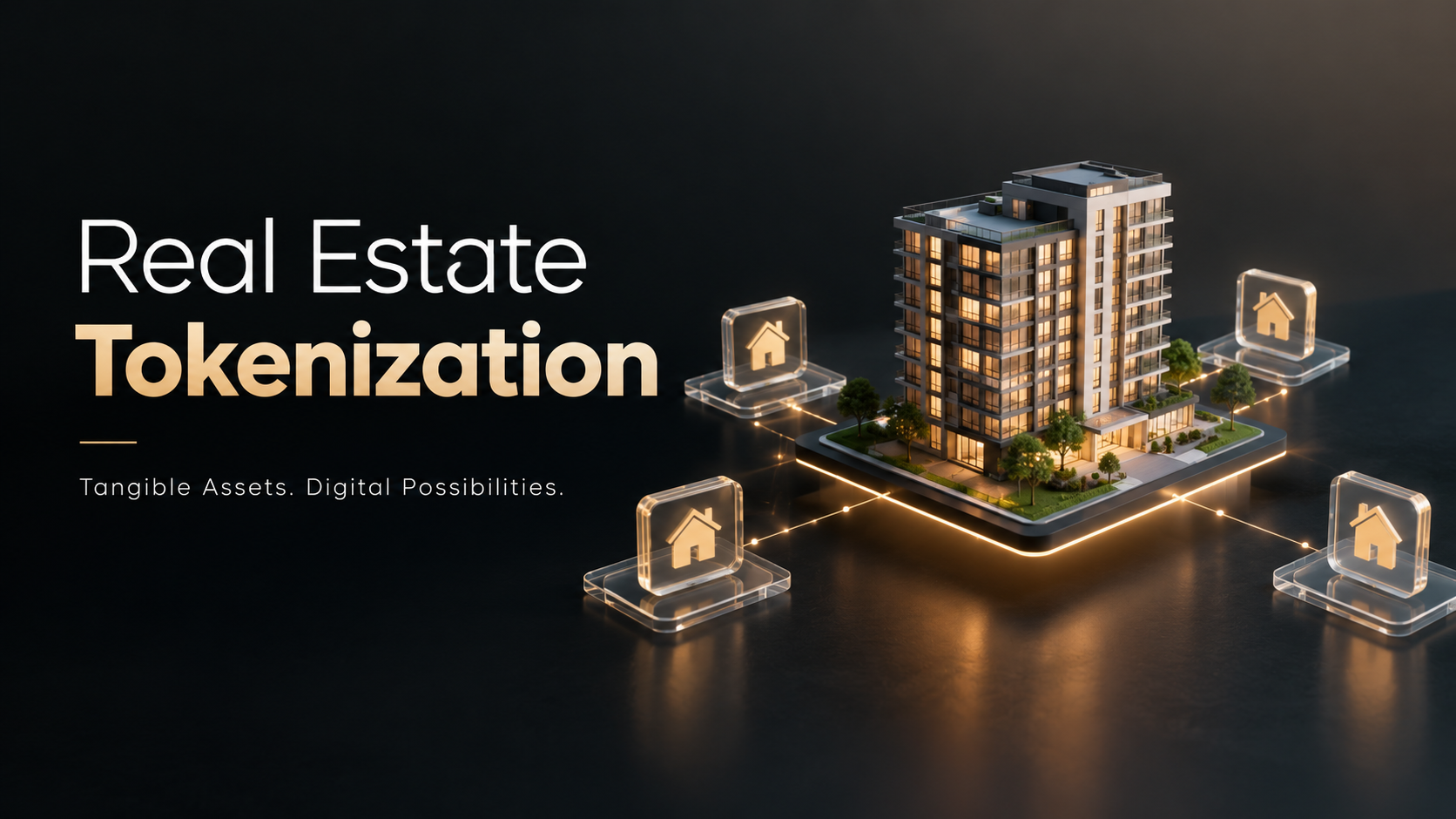
Real estate has long been considered a valuable asset class, but a significant amount of property value remains underutilized because of high entry costs, limited liquidity, and complex investment processes. Commercial buildings, vacant properties, rental portfolios, and partially developed projects may hold substantial economic potential without providing owners with immediate access to capital. Real estate tokenization offers a new way to address these challenges by connecting property ownership and investment rights with blockchain technology.
By converting eligible property interests into digital tokens, businesses can explore alternative funding structures, expand investor participation, and develop new ways to manage real estate assets. Rather than allowing valuable properties to remain financially inactive, tokenization can create opportunities to unlock capital and make property-related investments more accessible.
Idle property value does not necessarily mean that a building is completely unused. It can also refer to assets that generate limited income, properties awaiting development, unsold commercial inventory, or buildings that owners cannot easily monetize without selling them outright.
For example, a commercial property owner may hold a building worth $10 million but need additional capital to renovate it, expand operations, or acquire another property. Selling the entire building could mean losing future rental income and long-term ownership benefits. Traditional financing may also involve lengthy approval processes and collateral requirements.
Real Estate Tokenization introduces another potential approach. Depending on the legal structure, an owner could offer digital tokens representing fractional equity, contractual income rights, or other eligible interests in the property. Investors could participate according to the terms of the offering, while the owner may retain some ownership or control.
This approach does not automatically make an asset liquid or guarantee funding. However, it can create an additional framework for structuring property investments.
Property owners often need liquidity without wanting to dispose of an entire asset. Tokenization can support fundraising by dividing eligible investment interests into smaller digital units.
Consider a commercial property valued at $10 million. Its owner wants to raise $2 million for renovations and expansion. Under a suitable legal and financial structure, the owner could offer investment interests representing a portion of the property's equity or future economic benefits.
If the offering is legally permitted and successfully subscribed, the owner could obtain capital while investors receive the rights specified in the offering documents. The arrangement would depend on valuation, transaction costs, regulatory requirements, and the rights being issued.
Properties that are difficult to finance through conventional channels may present opportunities for alternative investment structures. Examples include redevelopment projects, vacant commercial spaces, hospitality properties, and buildings undergoing modernization.
Tokenization can help structure investment participation around a defined project or asset. For instance, investors might fund the conversion of an underused office building into a mixed-use development and receive contractual or equity-based returns, depending on the arrangement.
The key is to connect the tokenized interest to a clearly defined economic purpose rather than simply creating a digital token for an existing property.
Direct property investment generally requires substantial capital, legal documentation, and ongoing asset management. Tokenized offerings can potentially reduce minimum investment amounts by dividing eligible interests into smaller units.
For example, instead of requiring one investor to contribute $500,000 toward a property investment, an offering might allow multiple eligible investors to participate with smaller contributions.
This can broaden participation, although access depends on applicable securities laws, investor eligibility, offering restrictions, and platform policies. Fractional investment also does not eliminate the risks associated with property ownership, such as vacancies, maintenance costs, market downturns, or unexpected expenses.
Managing property investments often involves multiple stakeholders, including owners, investors, administrators, legal professionals, and asset managers. Maintaining consistent records across these parties can become complicated.
Blockchain-based systems can provide a shared record of token transactions and ownership-related activity. Smart contracts may automate certain processes, such as token transfers, distribution calculations, and investor allocation, when the underlying arrangements permit automation.
However, blockchain records do not replace property registries, legal agreements, or regulatory obligations. The relationship between digital tokens and legally enforceable property interests must be clearly established.
Real estate tokenization can support more than conventional rental income. Depending on the property and its business model, tokenized investment structures may be designed around several potential sources of economic value:
Rental income: Distributing eligible rental proceeds according to investors' contractual rights.
Redevelopment gains: Raising capital to improve a property and potentially benefit from an increase in its value.
Commercial leasing: Funding improvements that help attract tenants or support higher occupancy.
Hospitality operations: Structuring investment participation in hotels, resorts, or serviced accommodation projects.
Property refinancing: Exploring new financing arrangements for eligible assets with established income streams.
These opportunities depend on actual business performance. Tokenization does not create additional property income by itself; it provides a possible framework for structuring ownership, financing, and the distribution of economic benefits.
A real estate tokenization platform brings together the digital infrastructure required to issue, distribute, and manage tokens representing property-related interests. Depending on the project, its components may include investor onboarding, identity verification, smart contracts, digital wallets, transaction records, distribution mechanisms, and asset management dashboards.
A real estate tokenization development company may help businesses design these systems around their intended investment model. Providers, including INORU, can be considered within the broader ecosystem of blockchain development services supporting tokenization initiatives.
Technology is only one part of the process. Before launching an offering, businesses must determine how the property is held, what legal rights the tokens represent, who can invest, how income is distributed, and whether secondary transfers are permitted.
A well-designed platform should reflect these requirements instead of treating token creation as a standalone technical exercise.
Although tokenization offers potential benefits, several practical challenges require attention.
Regulatory compliance: Property-related tokens may qualify as securities or other regulated financial products. Issuers must assess the rules applicable to their jurisdictions and offering structures.
Accurate asset valuation: Independent valuation and appropriate financial disclosures help investors understand the underlying asset and its risks.
Legal ownership structure: Tokens do not automatically confer direct ownership of registered real estate. The legal relationship between token holders, the property-owning entity, and the underlying asset must be documented.
Liquidity limitations: Secondary trading requires suitable legal permissions, market infrastructure, and interested buyers. A tokenized property investment may remain difficult to sell.
Operational management: Property maintenance, tenant relationships, insurance, taxes, and financial reporting continue to require effective management after tokenization.
Addressing these issues early can help businesses develop more credible and sustainable investment structures.
Real estate tokenization creates a potential pathway for turning underutilized property value into new financing and investment opportunities. By connecting eligible property interests with blockchain infrastructure, owners can explore alternative capital-raising models, investors can access smaller investment positions, and asset managers can improve certain administrative processes.
Its real value lies not in digitizing property for its own sake, but in creating a practical connection between real-world assets, enforceable rights, and productive economic activity. When supported by appropriate legal structures, transparent disclosures, reliable technology, and sound property management, tokenization can become another tool for making real estate capital more flexible and accessible.