English
 Arabic
 French
 Spanish
 Portuguese
 Deutsch
 Turkish
 Dutch
 Italiano
 Russian
 Romaian
 Portuguese (Brazil)
 Greek
Professional Depression Treatment at Psychiatric Hospital | Serene Life Hospital
Other |
2026-11-06 11:20:36
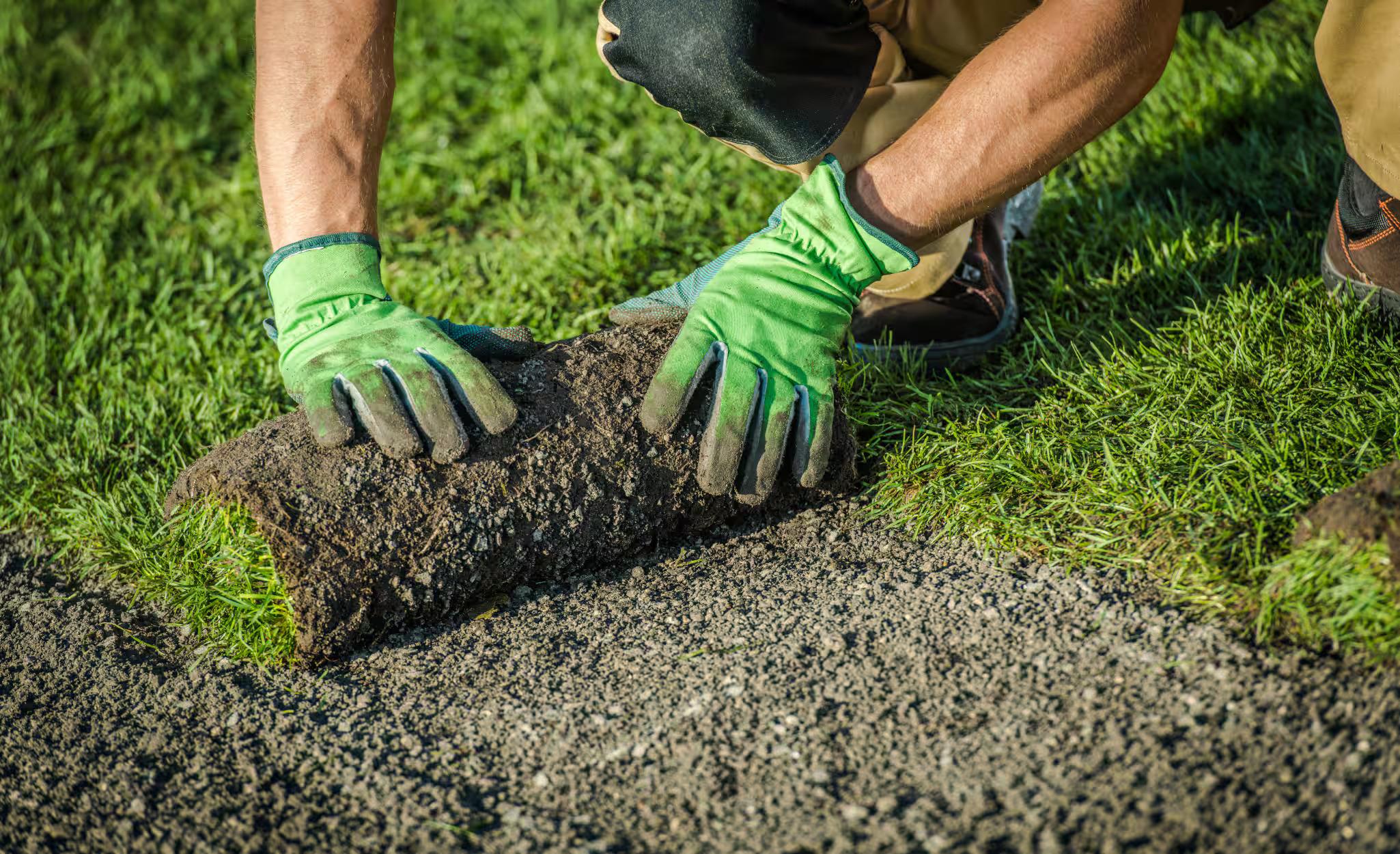
A healthy lawn needs more than regular mowing. The way grass is watered, fertilized, cut, and maintained throughout the year can affect its color, density, and ability to handle heat, foot traffic, weeds, and changing weather.
Some lawn problems develop because of neglect, while others are caused by well-intentioned homeowners using the wrong approach. Understanding common lawn care mistakes can help you avoid unnecessary damage and keep your grass looking healthier throughout the growing season.
Cutting grass too short may seem like a way to reduce how often you need to mow, but it can put unnecessary stress on the lawn.
Grass that is cut too short has less leaf surface available to support healthy growth. Short grass can also expose the soil to more sunlight, allowing it to dry out faster and creating conditions where weeds may become more competitive.
Instead of removing too much of the grass blade at once, homeowners should follow mowing practices appropriate for their grass type and seasonal conditions.
Water is essential for healthy turf, but more water does not always mean healthier grass. Frequent, shallow watering can encourage a lawn to develop a shallow root system, while insufficient watering can leave grass stressed and discolored.
The right watering schedule depends on factors such as grass type, soil conditions, weather, sun exposure, and drainage.
Homeowners should pay attention to how quickly their lawn dries after watering and whether water is reaching the soil effectively rather than simply running off the surface.
Healthy grass starts below the surface. Poor soil conditions can make it difficult for turf to receive the water, nutrients, and air it needs.
Compacted soil can restrict root growth and reduce water infiltration. Soil may also lack certain nutrients required for healthy turf development.
If grass repeatedly struggles despite regular care, the problem may not be the grass itself. A soil evaluation can help identify whether amendments or other treatments are needed.
Foot traffic, mowing equipment, and normal weather conditions can gradually compact the soil. When soil becomes too compacted, air, water, and nutrients may have difficulty reaching the root zone.
Lawn aeration helps create openings in the soil that allow these essential resources to move more effectively.
Skipping aeration when a lawn needs it can contribute to thinning grass, poor water absorption, and weak root development.
Fertilizer provides nutrients that grass needs, but applying too much can create problems instead of solving them.
Excess fertilizer can stress turf and may contribute to uneven growth or other lawn problems. Applying fertilizer without considering soil conditions and the lawn's actual nutritional needs can also result in unnecessary treatments.
A more effective approach is to understand what the lawn needs before applying products. Soil testing and professional turf management can help guide appropriate nutrient applications.
A few weeds can quickly become a larger problem when they are left unmanaged. Weeds compete with grass for water, nutrients, sunlight, and growing space.
However, simply applying weed control products without identifying the type of weed or understanding why it is appearing may not solve the underlying problem.
A dense, healthy lawn is one of the best defenses against many weeds. Proper mowing, watering, fertilization, soil management, and overseeding can all contribute to stronger turf.
Seeding or installing new grass over poor soil may produce disappointing results. If the soil is compacted, lacks nutrients, or has drainage problems, new grass may struggle to establish healthy roots.
Before reseeding a thin lawn, homeowners should consider the condition of the soil and whether the site needs preparation. Addressing underlying conditions can improve the chances of successful establishment.
Standing water can damage turf and create an environment where grass struggles to grow. Poor drainage may also wash away soil and nutrients or leave certain areas consistently saturated.
If the same parts of the lawn remain wet after rainfall, the issue may be related to grading, soil conditions, or drainage rather than watering habits.
Turf management and drainage should work together. Fixing water-management problems can make it easier for grass to establish and remain healthy.
Grass does not have the same needs in every season. Temperature, rainfall, growth rates, and lawn stress change throughout the year.
A routine that works during active summer growth may not be appropriate during spring or fall. Seasonal lawn care can include different mowing practices, fertilization, aeration, seeding, and weed management depending on the condition of the turf.
Adjusting maintenance practices throughout the year can help the lawn respond better to changing conditions.
When grass turns brown or becomes thin, it can be tempting to immediately add fertilizer, water more, or reseed the area. But the visible problem may only be a symptom.
The underlying cause could be compacted soil, poor drainage, pests, disease, improper mowing, nutrient deficiencies, or another issue.
Hydro Dynamics can evaluate lawn conditions and provide turf management services designed around the needs of the property. A customized approach can address soil health, aeration, fertilization, weed management, seeding, sod, and irrigation as needed.
Many lawn problems can be traced back to simple maintenance mistakes. Cutting grass too short, watering incorrectly, ignoring soil conditions, overusing fertilizer, skipping aeration, and overlooking drainage can all affect turf health.
A healthy lawn requires consistent care and attention to what is happening beneath the grass as well as what is visible on the surface. Instead of treating every lawn problem the same way, homeowners should consider the specific conditions affecting their property.
With proper turf management and seasonal care, homeowners can create stronger, healthier grass that is better prepared to handle the changing conditions throughout the year.