English
 Arabic
 French
 Spanish
 Portuguese
 Deutsch
 Turkish
 Dutch
 Italiano
 Russian
 Romaian
 Portuguese (Brazil)
 Greek
Diagnostic Centre in Odhav for Families, Working Professionals and Senior Citizens
Health |
2026-11-26 08:55:37
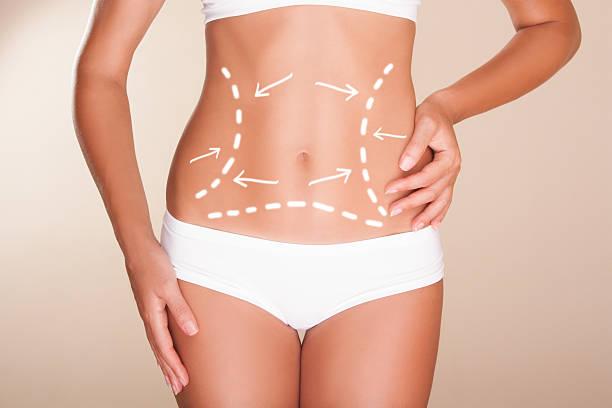
The abdomen is one of the most common areas where stubborn fat deposits can affect body proportions. Even with regular exercise and balanced eating habits, some individuals may notice persistent fullness around the stomach, lower abdomen, or waistline. Genetics, age, hormonal changes, and natural fat distribution can all influence how the midsection looks. Liposuction in Riyadh is a cosmetic surgical procedure that targets localized fat deposits to help refine abdominal contours. Understanding how the treatment works, who may benefit, and what results to expect can help individuals make informed decisions about body contouring.
Abdominal fullness does not always have the same cause. Some people have a layer of subcutaneous fat beneath the skin, while others may experience loose skin, weakened abdominal muscles, or deeper visceral fat. Liposuction is designed to remove subcutaneous fat and cannot address visceral fat surrounding internal organs or repair separated abdominal muscles. Identifying the actual cause of abdominal fullness is therefore essential before choosing a treatment. A professional assessment helps determine whether localized fat removal is an appropriate option.
Liposuction involves removing selected fat deposits through small incisions using a thin instrument called a cannula. The surgeon carefully loosens and extracts fat from the planned areas, considering the natural shape of the abdomen and surrounding waistline. The objective is to reduce unwanted fullness while maintaining smooth transitions and balanced proportions. Treatment planning is individualized because removing too much fat or treating areas unevenly can lead to irregular contours.
Fat deposits in the upper abdomen can create fullness below the rib cage and affect the appearance of the midsection. In suitable candidates, targeted removal may help reduce this localized volume and create a smoother abdominal profile.
The lower abdomen is a common area of concern for people who notice a persistent pouch below the belly button. Liposuction may help reduce this fullness when it is caused by removable subcutaneous fat and the skin has sufficient elasticity.
The sides of the waist, sometimes called the flanks, can influence how defined the midsection appears from the front and side. Treating these areas alongside the abdomen may help create a more balanced transition between the stomach and hips when clinically appropriate.
The skin's ability to contract after fat removal has a significant influence on the appearance of the abdomen. Individuals with good skin elasticity may experience smoother adaptation as the underlying volume decreases. However, people with significant loose skin, stretch marks, or reduced elasticity may continue to have folds or sagging after liposuction. Liposuction in Riyadh should therefore be planned after evaluating skin quality, fat distribution, and the overall condition of the abdominal area. If loose skin is a major concern, a surgeon may discuss whether a tummy tuck or another approach is more suitable.
Abdominal liposuction may be considered for adults who are generally healthy, maintain a stable weight, and have localized fat deposits that remain despite consistent lifestyle habits. It is not intended as a substitute for weight loss, and it does not treat obesity, visceral fat, or abdominal muscle separation. Patients should also understand that outcomes vary according to their anatomy and healing response. A qualified surgeon will review medical history, examine the treatment area, and explain potential risks before recommending surgery.
Recovery varies depending on the amount of fat removed and whether additional areas are treated. Swelling, bruising, tenderness, and temporary discomfort are common during the early healing period. Compression garments may be recommended to support the treated area and help manage swelling. Patients should follow post-operative instructions, attend follow-up appointments, and gradually return to normal activities as advised by their surgeon. The abdominal shape develops over time as swelling subsides, so final results may take several months to become apparent.
Liposuction permanently removes some fat cells from the treated area, but remaining fat cells can still enlarge if a person gains weight. Maintaining a stable weight through balanced nutrition, regular physical activity, and consistent lifestyle habits can help preserve the results. Liposuction in Riyadh can support targeted abdominal contouring, but it works best as part of a broader approach to maintaining overall health and realistic body-shape goals.
If persistent abdominal fullness is affecting your body-contouring goals, a professional consultation can help identify the most suitable approach. Royal Clinic Saudi provides personalized aesthetic assessments to discuss abdominal fat distribution, skin elasticity, treatment suitability, and expected outcomes. Schedule an appointment to receive professional guidance about your options for abdominal contouring.
1. Can liposuction remove lower abdominal fat?
Yes. It may remove localized subcutaneous fat from the lower abdomen in suitable candidates.
2. Does abdominal liposuction tighten loose skin?
Not reliably. Significant loose skin may require a different or additional procedure.
3. Is abdominal liposuction a weight-loss treatment?
No. It is designed to contour specific areas rather than produce major weight loss.
4. When will abdominal liposuction results become visible?
Changes develop gradually as swelling decreases, with final contours often taking several months to appear.