English
 Arabic
 French
 Spanish
 Portuguese
 Deutsch
 Turkish
 Dutch
 Italiano
 Russian
 Romaian
 Portuguese (Brazil)
 Greek
Modern Technology for a More Comfortable Home
Other |
2026-11-20 16:54:44
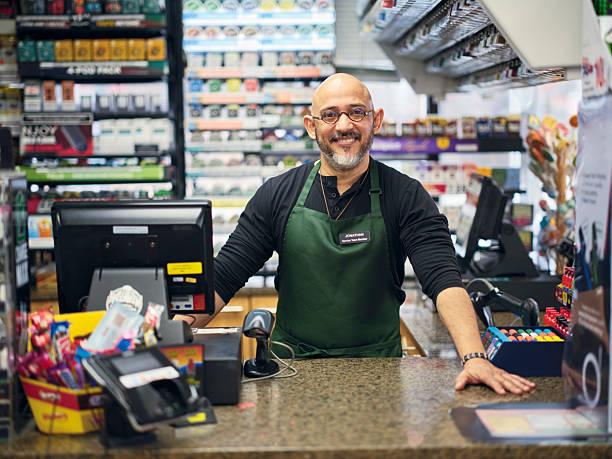
Convenience Stores Market is experiencing a significant transformation as retailers explore digital technologies to improve everyday shopping experiences. Traditional convenience stores have historically focused on providing essential products through accessible neighborhood locations. However, changing consumer expectations are encouraging businesses to adopt more advanced retail solutions. Customers increasingly expect faster transactions, flexible payment methods, accurate product availability, and convenient ordering options. These expectations are pushing store operators to reconsider traditional business models and introduce technology-driven improvements. From automated checkout systems to mobile applications, digital innovation is becoming an important element of modern convenience retail operations. Retailers that successfully integrate technology into their services can improve operational performance while creating more engaging customer experiences.
A major development supporting this transformation is the adoption of smart convenience store solutions, which help retailers simplify transactions, monitor inventory, and improve customer interactions. Digital systems allow store operators to collect useful information about purchasing patterns, product preferences, and shopping frequency. This information can support better merchandise planning and more relevant promotional campaigns. Retailers can also introduce mobile-based loyalty programs that reward repeat purchases and encourage customer engagement. As technology becomes increasingly integrated into retail operations, convenience stores have an opportunity to move beyond traditional selling methods and develop more responsive business models.
Self-checkout technology is becoming an important consideration for retailers seeking to reduce waiting times. Customers often visit convenience stores because they want to complete purchases quickly, making checkout efficiency an essential part of the overall experience. Self-service payment terminals and automated scanning solutions can help reduce dependence on conventional checkout counters. These technologies may be particularly useful during busy periods when stores experience increased customer traffic. Retailers can also combine digital payment options with contactless transactions to create a smoother purchasing process. However, successful implementation requires reliable equipment, clear customer instructions, and appropriate security measures to maintain transaction accuracy.
Artificial intelligence and data analytics are creating further opportunities for improving retail management. Store operators can use analytical tools to understand which products sell frequently, identify seasonal demand patterns, and monitor changing customer preferences. These insights can support purchasing decisions and help retailers reduce unnecessary inventory expenses. Predictive analytics may also assist businesses in estimating future demand based on historical sales information and local shopping behavior. Better forecasting can improve product availability while reducing the possibility of excess stock. Although advanced analytics may require investment and technical expertise, they offer retailers useful tools for making more informed operational decisions.
Mobile applications are also changing the relationship between convenience stores and customers. Consumers increasingly use smartphones to discover products, access promotional offers, place orders, and make digital payments. Retailers can develop applications that display available merchandise, communicate discounts, and provide loyalty rewards. Personalized offers based on purchasing history can encourage customers to return while making promotions more relevant. Mobile ordering can also reduce the time customers spend inside stores, particularly when pickup services are available. These digital interactions provide additional opportunities for businesses to maintain customer engagement beyond physical store visits.
Inventory management is another area where digital innovation can deliver considerable operational benefits. Traditional stock monitoring methods can create difficulties when retailers manage numerous product categories with different expiration dates and demand patterns. Digital inventory platforms can help businesses monitor stock levels, identify low-availability products, and organize replenishment activities. Barcode scanning and connected systems can improve the accuracy of inventory records while reducing manual processes. For food and beverage categories, better monitoring can also support product freshness and reduce waste. Efficient inventory management is especially important for smaller stores where limited storage space makes purchasing decisions more challenging.
Digital retailing is also encouraging convenience store operators to strengthen their delivery capabilities. Online ordering platforms and delivery partnerships allow retailers to reach customers who prefer shopping from home or workplaces. This approach can expand customer access without requiring businesses to depend exclusively on physical store visits. However, retailers must coordinate product availability, order preparation, delivery timing, and customer communication. A well-managed digital ordering system can help create a consistent shopping experience across different purchasing channels. Businesses that connect online services with physical retail operations may be able to serve customers more effectively.
Despite these opportunities, technology adoption presents several challenges for convenience retailers. Initial investment costs, system maintenance, employee training, cybersecurity, and data management can influence implementation decisions. Smaller operators may find it difficult to introduce advanced technologies without carefully evaluating their operational requirements. Businesses must also ensure that digital services remain easy to use for customers with different levels of technological familiarity. A balanced approach that combines traditional customer service with modern digital tools can help retailers manage these challenges. Technology should improve convenience rather than create unnecessary complexity during everyday shopping activities.
The future of convenience retailing will increasingly depend on how effectively businesses combine technology with customer-focused services. Digital payments, intelligent inventory platforms, automated checkout, mobile ordering, and personalized promotions are creating new opportunities for operational development. Retailers that invest in suitable technologies can improve decision-making and respond more effectively to customer expectations. However, successful digital transformation requires more than purchasing new equipment. Businesses must understand their customers, train employees, maintain reliable systems, and continuously evaluate service performance. By combining technological innovation with accessible store formats, convenience retailers can strengthen their position in an increasingly competitive retail environment.
Frequently Asked Questions
How is technology changing convenience stores?
It improves checkout speed, inventory monitoring, and customer engagement.
What is a smart convenience store?
It uses digital systems and automation to improve retail operations.
Why are mobile applications important?
They support digital ordering, loyalty rewards, and personalized promotions.