English
 Arabic
 French
 Spanish
 Portuguese
 Deutsch
 Turkish
 Dutch
 Italiano
 Russian
 Romaian
 Portuguese (Brazil)
 Greek
Almond Ingredient Market Outlook: Snacks, Dairy Alternatives, and Beyond
Other |
2026-10-21 12:55:41
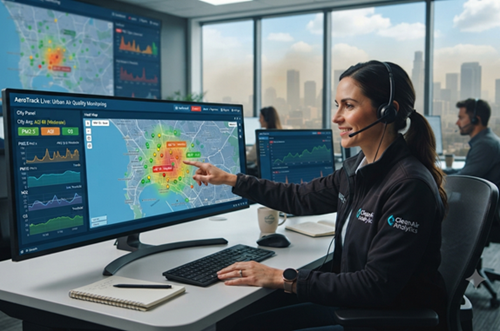
Air Quality Monitoring Software Market Overview presents a practical view of how organizations use environmental intelligence to manage indoor spaces. The software combines sensor information, building context, and clear dashboards so teams can understand conditions and respond appropriately. It supports healthier environments by helping users spot changes, coordinate maintenance, and communicate with occupants. It also fits within broader smart building strategies by connecting environmental awareness with ventilation, occupancy, and service workflows. This overview considers core capabilities, user needs, integration choices, and adoption enablers. It avoids narrow claims and focuses on the foundations of useful implementation. Readers gain a professional understanding of how monitoring platforms create value across offices, schools, healthcare settings, and public venues. The emphasis is on clarity, trust, and operational fit rather than feature overload.
Core Capabilities That Support Daily Operations
Core capabilities begin with reliable sensing and clear presentation. The software should help teams view conditions by zone, floor, or building area. It should show trends so users can distinguish temporary changes from persistent patterns. It should support alerts that guide action without overwhelming recipients. Reporting features help managers explain decisions, document maintenance, and communicate with stakeholders. Role-based access keeps information useful and appropriate for different users. Integration options allow environmental awareness to connect with building systems, workplace tools, and service platforms. The most effective platforms also support sensor health checks so that teams know when devices need attention. They avoid burying users in raw readings and instead offer context that supports decisions. Usability matters because environmental information is most valuable when it reaches people who can act. A clear interface, sensible defaults, and accessible language help ensure that the software becomes part of daily operations.
Serving Different Users With Role-Based Views
Different users need different views of the same environmental picture. Facility managers need operational detail, zone comparisons, and maintenance prompts. Health and safety leaders need clear summaries and escalation paths. Workplace teams need information that supports room use, occupancy planning, and occupant communication. Sustainability teams need trend views that connect indoor conditions with broader goals. Occupants need plain-language reassurance and accessible updates. Role-based design helps meet these needs without forcing every user through the same screen. It also protects sensitive operational information and supports responsible access. Organizations should involve representatives from each user group during planning so that views reflect real workflows. Training should explain how to interpret trends, respond to alerts, and raise concerns. Communication should avoid jargon and explain uncertainty where it matters. When users see information that fits their responsibilities, they are more likely to trust the software and use it consistently.
Integration With Smart Building And Workplace Tools
Integration expands the value of environmental monitoring by connecting awareness with action. Links to building systems can support ventilation adjustments, filter checks, and maintenance workflows. Connections to workplace tools can inform room scheduling, occupancy planning, and service requests. Integration with communication platforms can help teams share updates with occupants clearly. These connections reduce manual effort and help environmental information reach the right people at the right time. Integration also introduces complexity. Organizations should define which systems exchange information, who can access it, and how alerts are escalated. Security and privacy reviews should be part of planning. Vendors should offer practical interfaces and clear documentation rather than unnecessary customization. A phased approach helps teams test value and refine workflows before broader rollout. When integration is governed well, environmental intelligence becomes part of everyday building operations and supports faster, more coordinated decisions.
Adoption Enablers For Practical Implementation
Practical implementation depends on clear enablers. Leadership support helps connect environmental monitoring to broader health, sustainability, and workplace goals. Ownership should be assigned for dashboards, alerts, sensor care, and user support. A phased rollout allows teams to learn from representative areas before expanding. Communication helps occupants understand what the software does and how their environment is managed. Privacy and security reviews build trust and reduce risk. Training helps users interpret information and respond appropriately. Maintenance planning keeps sensors and dashboards reliable over time. Organizations should define success in terms of better decisions, improved occupant confidence, and more coordinated operations. They should also review feedback regularly and adjust views, alerts, and workflows as needs change. The most successful adopters treat the software as a living service rather than a one-time installation. That mindset supports durable value and healthier, more responsive indoor environments.
➤ Latest Market Intelligence from Market Research Future: