English
 Arabic
 French
 Spanish
 Portuguese
 Deutsch
 Turkish
 Dutch
 Italiano
 Russian
 Romaian
 Portuguese (Brazil)
 Greek
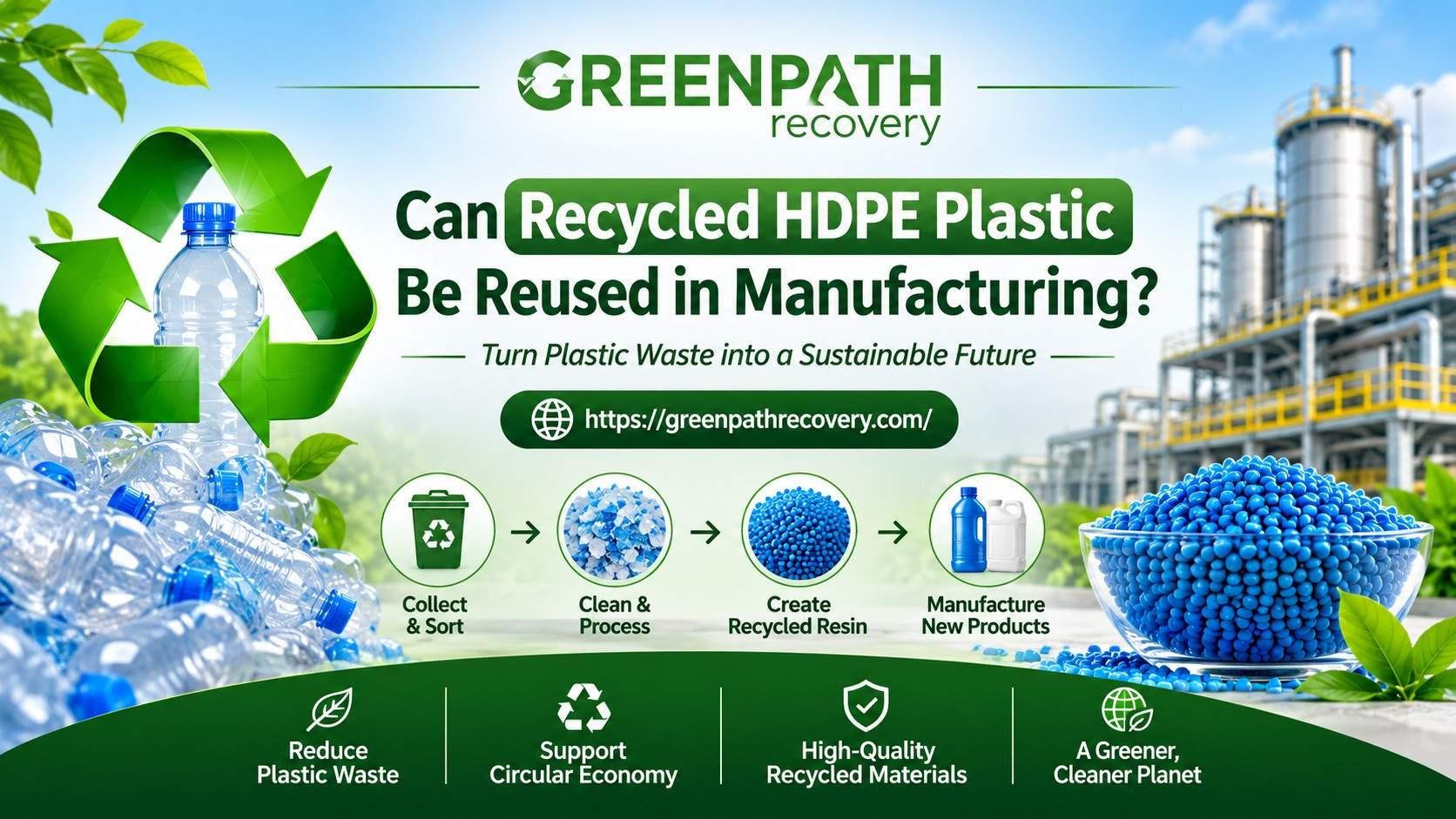
Can Recycled HDPE Plastic Be Reused in Manufacturing?
Other |
2026-11-23 12:38:27
The Commercial Bird Feeder Market is increasingly influenced by sustainability and environmental responsibility. Businesses, conservation organizations, and outdoor recreational facilities are showing greater interest in products that support birdwatching while aligning with environmentally conscious purchasing practices.
Bird feeders are becoming valuable additions to commercial landscapes, nature parks, wildlife centers, and educational environments. As awareness of biodiversity and wildlife conservation increases, manufacturers are exploring new materials and designs to address changing customer expectations.
Sustainable manufacturing is becoming an important competitive factor in the bird feeder industry. Manufacturers are exploring recycled plastic, responsibly sourced wood, and durable metal components to develop products with improved environmental characteristics.
Long-lasting products can also reduce replacement frequency and maintenance-related costs for commercial buyers. This is particularly important for parks and wildlife centers that operate multiple feeding stations.
In addition, manufacturers are focusing on designs that support easier cleaning and maintenance. Proper maintenance is essential for keeping feeding areas suitable for birds and reducing the risk of contamination.
Product innovation is expanding the range of commercial bird feeder solutions. Squirrel-proof feeders, weather-resistant structures, and large-capacity designs are attracting attention from commercial users.
Smart bird feeders represent another developing opportunity. Cameras and connected monitoring systems can improve bird observation and provide useful information about feeding activity.
Solar-powered designs are also gaining interest, particularly for outdoor locations where access to conventional electricity may be limited.
Decorative feeders are becoming relevant for hotels, gardens, resorts, and public recreational spaces where product appearance is an important purchasing consideration.
The market is segmented by bird species, feeder type, material, capacity, and design. Major feeder categories include hopper feeders, platform feeders, tube feeders, window feeders, and suet feeders.
Songbirds represent an important consumer-interest segment, while specialized hummingbird feeders are gaining attention. Woodpecker feeding requirements also support demand for suet feeders.
The competitive landscape includes established companies such as Woodlink, Perky-Pet, Droll Yankees, Audubon, Gardman, and C&S Products. These companies participate in product development and distribution activities across different market segments.
The market is expected to benefit from increasing environmental awareness, wildlife conservation programs, and demand for sustainable outdoor products.
Manufacturers that combine environmentally responsible materials with practical product features may strengthen their market position. Opportunities are also emerging through partnerships with commercial landscaping businesses, nature parks, and wildlife organizations.
The eco-friendly bird feeder market provides further insights into market segmentation, industry trends, and future growth potential.
Q1. Why is sustainability important in the Commercial Bird Feeder Market?
Sustainability encourages the use of recycled and responsibly sourced materials while supporting demand for durable, environmentally conscious products.
Q2. Which innovative bird feeder designs are gaining attention?
Smart bird feeders, solar-powered models, squirrel-proof feeders, and weather-resistant designs are attracting increasing interest.