English
 Arabic
 French
 Spanish
 Portuguese
 Deutsch
 Turkish
 Dutch
 Italiano
 Russian
 Romaian
 Portuguese (Brazil)
 Greek
Competitive Microcontroller Market Share Reflects Battle For Automotive And Industrial Design Wins
Networking |
2026-11-20 05:37:36
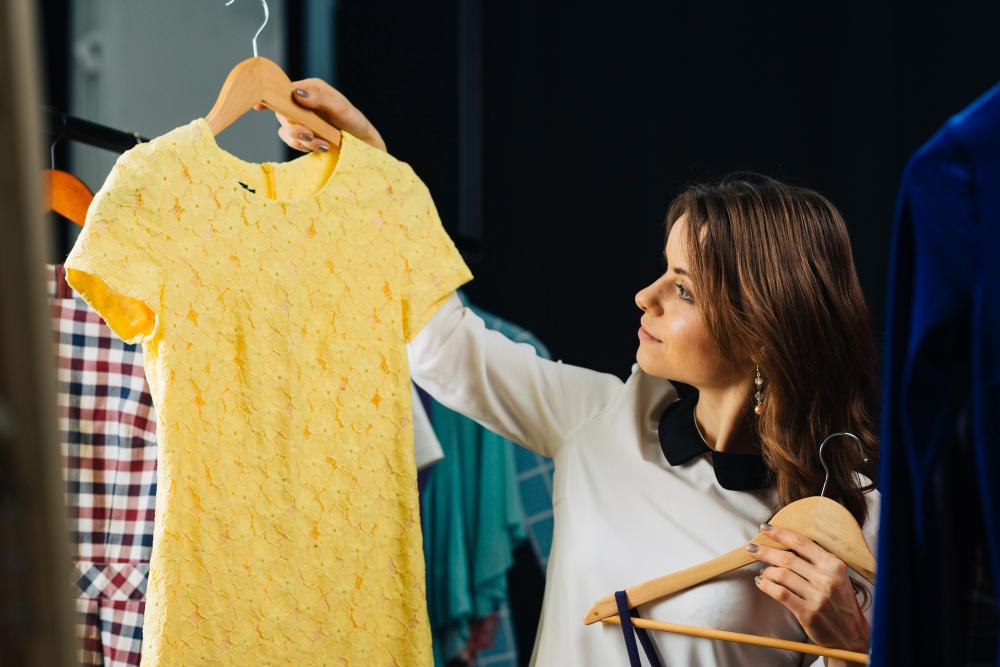
Australian fashion brands looking to expand their clothing collections need manufacturing partners who understand their product requirements, quality expectations, and production goals. India offers garment manufacturing and fabric sourcing options for businesses developing private-label, custom, woven, and knit clothing. However, building a successful partnership requires more than finding a supplier. Brands need to evaluate manufacturing capabilities, communicate specifications, approve samples, and establish clear production and shipping processes.
Start by identifying what your business needs from an Indian garment manufacturer. Clear requirements make it easier to shortlist suitable partners and receive accurate quotations.
Prepare the following information:
Clothing categories you want to manufacture
Number of styles in your collection
Fabric preferences and material specifications
Expected order quantities
Size range and colour requirements
Customisation and branding needs
Target production and delivery schedule
For example, a brand developing a summer collection may need linen shirts, cotton dresses, and lightweight trousers. A business focused on casualwear may require T-shirts, sweatshirts, and joggers.
Identifying your product range early helps manufacturers assess whether they can support your requirements.
Not every garment manufacturer specialises in every clothing category. Before entering a partnership, check whether the supplier has experience with the products you want to develop.
Evaluate these areas:
Woven garment manufacturing: Relevant for shirts, dresses, trousers, skirts, and structured clothing.
Knit garment manufacturing: Relevant for T-shirts, sweatshirts, hoodies, leggings, and other knit products.
Custom garment development: Check whether the manufacturer can work from sketches, reference images, and technical packs.
Fabric sourcing: Confirm whether the supplier can help source suitable materials for your designs.
Private-label production: Discuss custom labels, tags, trims, and packaging requirements.
Ask the manufacturer to review your product list and confirm which styles they can support. This is particularly important if your collection includes different garment categories.
A clear understanding of the production process helps Australian brands coordinate their work with an overseas manufacturing partner.
A typical process includes:
Requirement discussion
Share your designs, garment categories, quantities, fabric preferences, and expected specifications.
Fabric selection
Finalise fabric composition, GSM, colour, texture, and finishing requirements.
Tech pack development
Provide technical drawings, measurements, stitching details, and construction instructions.
Sampling and revisions
Review the sample and request changes to fit, measurements, fabric, or finishing where necessary.
Bulk production
Confirm the order details and begin manufacturing after final sample approval.
Quality inspection and shipping
Check finished garments against approved specifications and coordinate international dispatch.
Agree on the responsibilities and approval process at every stage before bulk production begins.
A tech pack is an important communication document between a fashion brand and its manufacturing partner. It explains how each garment should be developed and produced.
Your tech pack should include:
Front and back design drawings
Garment measurements and size charts
Fabric composition and GSM
Colour references
Stitching and seam details
Buttons, zippers, and other trims
Print and embroidery placement
Label and branding instructions
Finishing and packaging requirements
Prepare separate tech packs for different garment styles. For example, a woven shirt and a knit T-shirt require different construction instructions.
Accurate specifications help reduce misunderstandings during sampling and bulk manufacturing.
Minimum order quantity (MOQ) is an important consideration when partnering with an Indian garment manufacturer, especially for emerging Australian brands.
Fabriclore's stated starting MOQs are:
Woven garments: Starting from 100 pieces.
Knit garments: Starting from 300 pieces.
These are starting quantities, not fixed MOQs for every product. Actual requirements depend on garment type, design complexity, fabric availability, colour selection, and production specifications.
Before confirming an order, discuss:
MOQ for each garment style
Quantity required per colour
Size-wise quantity distribution
Fabric sourcing requirements
Possibility of repeat orders
Production requirements for different product categories
Confirm the final quantities in writing. Do not assume that all products in a collection will have the same MOQ.
Fabric quality plays an important role in the final garment. Australian brands should discuss material requirements with their manufacturing partner before approving samples.
Depending on the product, possible fabric options include:
|
Fabric |
Common Clothing Applications |
|
Cotton |
Shirts, T-shirts, casualwear |
|
Linen |
Summer shirts, dresses, trousers |
|
Viscose |
Dresses, tops, lightweight garments |
|
Polyester |
Selected dresses, tops, and other clothing |
|
Modal |
Soft tops and comfortable everyday clothing |
|
Hemp |
Selected apparel collections |
The right fabric depends on the design, intended use, comfort, and price positioning.
Also discuss customisation requirements such as printing, embroidery, dyeing, labels, buttons, and packaging. Confirm material specifications and artwork before sampling.
Sampling allows Australian brands to assess whether a manufacturer can meet their product expectations.
Review each sample for:
Fabric composition, GSM, and texture
Garment fit and measurements
Stitching and seam construction
Colour and print accuracy
Buttons, zippers, and trims
Labels and branding placement
Overall finishing
If the sample does not meet your requirements, provide clear feedback and request revisions.
Once approved, retain the final sample and technical specifications as references for bulk production. This is particularly important when developing multiple styles or planning repeat orders.
A long-term manufacturing partnership depends on consistent product quality. Australian brands should discuss quality expectations before placing their first bulk order.
Create a quality checklist covering:
Fabric inspection: Check for visible defects, damage, and material inconsistencies.
Measurement checks: Compare finished garments against the approved size chart and agreed tolerances.
Stitching inspection: Review seams, hems, thread quality, and construction.
Colour and print checks: Confirm that colours, prints, and embroidery match approved references.
Final garment inspection: Check labels, finishing, accessories, and packaging.
Discuss when inspections will take place and how defective or non-compliant garments will be reported and handled.
Documenting these requirements helps both parties follow the same quality standards.
Manufacturing costs should be evaluated alongside international shipping and import expenses.
Ask your Indian manufacturing partner for a detailed quotation covering:
Fabric and material costs
Cutting and stitching
Sampling and development
Printing, embroidery, and customisation
Labels and packaging
Quality inspection
Other applicable production charges
For Australian brands, the total landed cost should also include international freight, applicable customs duties, taxes, and other import-related expenses.
Before placing the order, confirm:
Production and dispatch schedule
Shipping method
Delivery address
Packaging requirements
Export documentation
Import documentation responsibilities
Responsibility for customs-related charges
Clarify these details in writing to avoid unexpected costs or confusion during dispatch.
A reliable manufacturing relationship should support more than a single bulk order. As your fashion business grows, your production requirements may change.
To build a stronger partnership:
Share product requirements clearly.
Maintain approved tech packs and sample records.
Communicate changes before production begins.
Agree on realistic production schedules.
Review quality after every order.
Keep records of fabric and colour references.
Discuss future collections and repeat orders early.
Regular communication helps manufacturers understand your brand's requirements and supports better coordination across future production cycles.
Fabriclore supports fashion businesses looking for fabric sourcing and garment manufacturing solutions in India. Australian brands can discuss their product requirements and explore manufacturing options for different clothing categories.
Fabriclore's support includes:
Woven and knit garment manufacturing
Fabric sourcing for different clothing categories
Custom garment development
Sampling and fit approval
Quality checks during production
Custom labels and packaging requirements
Global shipping coordination
Brands can share their designs, tech packs, fabric preferences, and estimated order quantities with Fabriclore to discuss suitable production options.
For businesses developing new collections or expanding existing product ranges, coordinating fabric sourcing and garment manufacturing through one partner can simplify production planning.
Partnering with an Indian garment manufacturer can help Australian fashion brands develop custom clothing collections and manage bulk production requirements. However, a successful relationship depends on selecting a suitable manufacturing partner, sharing accurate product specifications, confirming MOQs, approving samples, and establishing clear quality and shipping arrangements.
Brands should approach the partnership as an ongoing business relationship rather than a one-time purchase. With proper planning and communication, Australian businesses can build a more organised manufacturing process with an Indian production partner.
Fabriclore supports Australian fashion businesses with fabric sourcing, woven and knit garment manufacturing, sampling, and production coordination in India.
Australian brands may work with Indian manufacturers for fabric sourcing, custom garment development, private-label production, and bulk clothing manufacturing. The suitability of a partner depends on product experience, quality requirements, MOQ, pricing, and shipping arrangements.
Start by identifying your product categories and manufacturing requirements. Then evaluate suppliers based on garment experience, fabric sourcing, sampling capabilities, MOQ, quality control, communication, and international shipping support.
Fabriclore's starting MOQ is 100 pieces for woven garments and 300 pieces for knit garments. Actual quantities depend on garment type, fabric, design, colour, and production requirements.
Yes. Depending on their capabilities, Indian manufacturers can support custom garment development and private-label requirements, including fabric selection, design specifications, labels, tags, and packaging.
Brands should confirm approved samples, tech packs, fabric specifications, order quantities, MOQ, pricing, payment terms, quality standards, production schedules, shipping responsibilities, and import-related requirements before authorising bulk production.