English
 Arabic
 French
 Spanish
 Portuguese
 Deutsch
 Turkish
 Dutch
 Italiano
 Russian
 Romaian
 Portuguese (Brazil)
 Greek
Revealed: Travel Insurance Market Set for Significant Investment Opportunities by 2035
Other |
2026-09-16 07:27:14
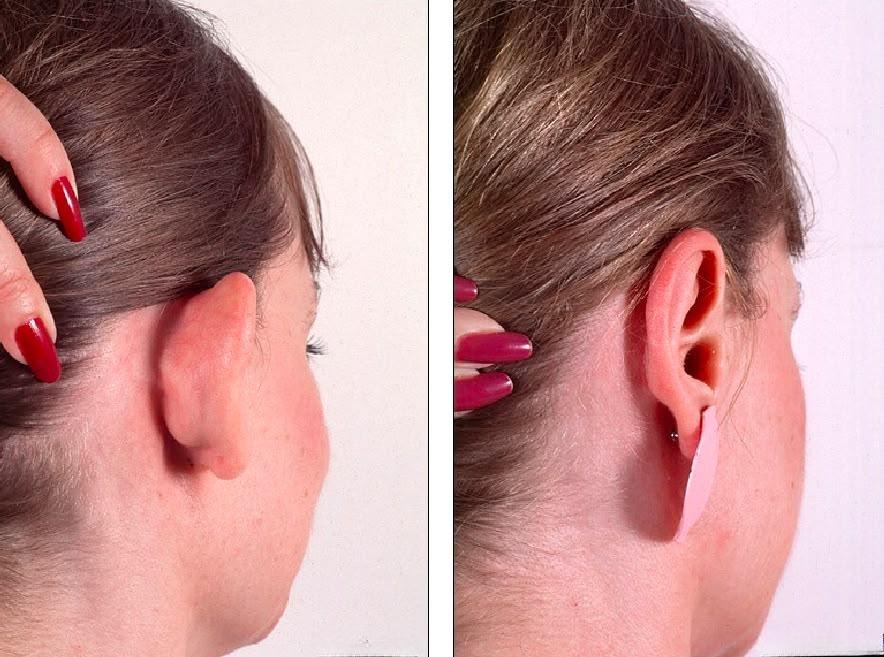
Every facial feature contributes to an individual's overall appearance, and the ears are no exception. Although people often focus on their eyes, nose, and jawline, the position and shape of the ears also play an important role in facial balance. Some individuals naturally have ears that appear larger, uneven, or more prominent than they would prefer. These concerns can sometimes affect personal confidence and comfort. Modern cosmetic procedures provide options for improving ear appearance, and ear reshaping surgery in Islamabad is one option for individuals seeking a more balanced and proportionate look.
The ears have a distinctive structure made primarily of cartilage and skin. Their shape, size, and position vary naturally from person to person. However, certain structural differences can make the ears more noticeable.
Prominent ears are a common cosmetic concern. They may project outward because of the shape of the cartilage or the absence of well-defined natural folds. Other individuals may have uneven ear positioning or irregular contours.
These differences do not necessarily indicate a medical problem. However, people who feel uncomfortable with their ear appearance may explore cosmetic treatment options after receiving professional advice.
Otoplasty is a surgical procedure intended to improve the appearance of the ears. It can address prominent ears, correct certain structural irregularities, and improve symmetry.
The treatment is customized according to the patient's anatomy and desired outcome. Rather than following one standard approach, the surgeon evaluates the cartilage structure and determines which adjustments may provide a natural-looking result.
The procedure can involve repositioning the ears, modifying cartilage folds, or adjusting particular areas of the ear. The exact technique depends on the concern being treated.
People consider cosmetic ear surgery for several reasons. Understanding the specific concern helps the surgeon recommend an appropriate treatment plan.
Common concerns include:
Prominent ears: Ears that extend noticeably away from the head.
Uneven positioning: Differences in the angle or placement of both ears.
Cartilage irregularities: Unusual folds or contours affecting ear appearance.
Congenital differences: Structural variations present from birth.
Injury-related changes: Certain alterations in ear shape caused by previous trauma.
Not every ear condition requires surgery. A professional examination is necessary to determine whether otoplasty can address the particular concern.
A successful cosmetic treatment begins with proper assessment. During consultation, the surgeon examines the ears, reviews the patient's medical history, and discusses their expectations.
The consultation may include an evaluation of cartilage thickness, ear projection, skin condition, and facial proportions. The surgeon also explains the recommended surgical technique and possible limitations.
Patients should use this opportunity to ask questions about anaesthesia, recovery, potential complications, and expected outcomes. Clear communication helps ensure that treatment decisions are based on realistic expectations.
Otoplasty is generally performed using local or general anaesthesia, depending on the patient's age and surgical requirements.
In many cases, an incision is made behind the ear to access the cartilage. The surgeon then reshapes or repositions the cartilage to achieve the planned appearance. Sutures may be used to maintain the new structure.
Once the correction is completed, the incision is closed and a protective dressing may be applied. The procedure's duration varies according to the complexity of the correction and whether one or both ears require treatment.
Following surgery, patients should allow sufficient time for healing. Temporary swelling, bruising, tenderness, and discomfort are possible during the initial recovery period.
The surgeon may recommend wearing a protective headband to support the ears and prevent accidental pressure. Keeping the surgical area clean and following wound-care instructions are also important.
Patients should avoid activities that could injure the ears, including contact sports and strenuous exercise, until they receive medical clearance.
Follow-up appointments allow the surgeon to monitor recovery and address any concerns. Patients should promptly report unusual pain, excessive swelling, bleeding, or signs of infection.
Choosing an appropriate clinic is an important part of any cosmetic surgery journey. Patients should carefully review the surgeon's qualifications, relevant experience, surgical facilities, and approach to patient safety.
It is also important to understand the treatment costs, possible risks, recovery expectations, and follow-up arrangements before proceeding.
Individuals exploring cosmetic procedures can visit Enfield Royal Clinic to learn about available treatment options. A direct consultation can provide further information about suitability and the medical considerations involved.
Cosmetic ear surgery can help individuals address prominent ears, irregular cartilage shapes, and certain differences in ear positioning. With proper assessment and an individualized surgical approach, otoplasty may improve facial proportions and create a more balanced appearance. Patients should always prioritize qualified medical care, realistic expectations, and appropriate aftercare when considering this procedure.