English
 Arabic
 French
 Spanish
 Portuguese
 Deutsch
 Turkish
 Dutch
 Italiano
 Russian
 Romaian
 Portuguese (Brazil)
 Greek
Root Canal in Johar Town: What Is Actually Happening Inside Your Tooth
Health |
2026-10-21 04:36:14
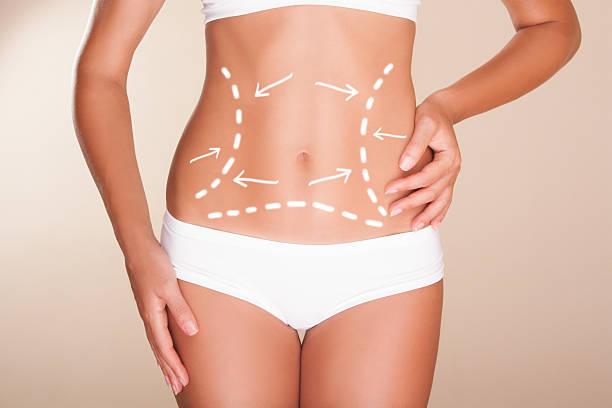
Liposuction has become an increasingly recognized cosmetic procedure for individuals seeking to improve their body contours and address stubborn fat deposits. Despite maintaining a healthy lifestyle through balanced nutrition and regular physical activity, some people find that certain areas of fat remain resistant to their efforts. This is where modern fat removal techniques may offer an additional option for body contouring.
Understanding the science behind Liposuction in Riyadh (عملية شفط الدهون في الرياض) helps individuals make informed decisions about available treatments, surgical techniques, expected outcomes, and recovery requirements. Rather than focusing solely on removing unwanted fat, modern liposuction approaches consider body proportions, individual anatomy, and the importance of achieving balanced results.
In Saudi Arabia, interest in cosmetic procedures continues to encourage greater awareness of modern body contouring options. People researching Liposuction in Saudi Arabia often want to understand how the procedure works, which body areas can be treated, and what factors influence the final appearance.
Liposuction is a surgical body contouring procedure designed to remove localized deposits of subcutaneous fat. This fat is located beneath the skin and above the underlying muscles. The procedure uses specialized instruments called cannulas, which are inserted through small incisions to loosen and remove targeted fat cells.
The scientific principle behind liposuction involves physically extracting fat cells from selected areas rather than simply reducing their size. This distinction is important because fat cells removed during the procedure do not normally regenerate in the same area in significant numbers.
However, the remaining fat cells can still increase in size if a person gains weight. Therefore, maintaining a relatively stable weight is important for preserving the results.
Modern surgical planning also considers the natural distribution of fat throughout the body. Surgeons assess the thickness of fatty tissue, skin elasticity, and individual body proportions before determining an appropriate treatment approach.
The liposuction process begins with identifying areas where localized fat deposits affect the body's natural contours. These areas may include the abdomen, waist, thighs, hips, arms, back, and chin.
During surgery, the surgeon makes small incisions and introduces a thin cannula beneath the skin. Controlled movements help separate and remove targeted fat through suction. The amount of fat removed depends on individual anatomy, treatment goals, and medical safety considerations.
Unlike general weight-loss methods, liposuction focuses on specific body regions. It is not intended to replace healthy eating habits, physical activity, or medical weight-management treatments.
Individuals exploring Liposuction in Riyadh should understand that the procedure is generally most suitable for people who are close to their target weight but have persistent localized fat deposits.
Advancements in cosmetic surgery have introduced several approaches to fat removal. Each technique uses a different method to assist with fat extraction, and the appropriate option depends on the patient's anatomy, medical history, and desired outcome.
Traditional suction-assisted liposuction is one of the established methods of surgical fat removal. It involves inserting a cannula through small incisions and using suction to extract unwanted fat.
The surgeon carefully moves the instrument through the targeted tissue to create smoother body contours. This technique can be used for different body areas and allows direct control over fat removal.
Tumescent liposuction involves injecting a specialized fluid into the treatment area before removing fat. This solution generally contains saline, a local anesthetic, and a medication that helps reduce bleeding.
The fluid causes the targeted tissue to become swollen and firm, making fat removal easier. It can also help minimize blood loss and improve procedural comfort.
Ultrasound-assisted liposuction uses sound-wave energy to help break down fat tissue before extraction. The energy is delivered through a specialized instrument, allowing the surgeon to remove fat from selected areas.
This approach may be considered for certain treatment areas or situations where the surgeon believes ultrasound assistance could be beneficial.
Laser-assisted liposuction uses laser energy to affect fat tissue before it is removed through suction. The technique may also produce some tissue-heating effects that influence collagen activity.
However, skin tightening is not guaranteed, and the suitability of this method depends on individual skin characteristics and treatment goals.
One reason liposuction attracts attention is its ability to address localized fat deposits in different regions of the body. Treatment planning is based on the distribution of fat and the individual's overall proportions.
The abdomen is one of the commonly treated areas. Some individuals develop persistent fat deposits around the upper or lower abdomen that remain despite consistent exercise and healthy eating.
Liposuction can help reduce selected subcutaneous fat deposits and create a more defined abdominal appearance. However, it does not remove significant internal fat surrounding the organs or correct substantial abdominal muscle separation.
Fat around the waist and flanks can affect the appearance of the body's natural curves. Liposuction may help refine these areas by reducing localized deposits and improving the transition between the waist and hips.
The objective is to create balanced contours that complement the individual's natural body structure.
The inner and outer thighs may develop localized fat deposits that influence the overall leg shape. Targeted fat removal can help improve their contours when the patient has suitable skin elasticity.
The surgeon must consider the relationship between the thighs, hips, and surrounding areas to achieve a proportionate appearance.
Upper-arm fat can sometimes create a fuller appearance, particularly when excess tissue is concentrated around the back or inner arm.
Liposuction may help reduce localized fat in suitable candidates. However, individuals with significant loose skin may require a different or additional surgical approach.
Localized fat beneath the chin can affect the appearance of the jawline and neck. Liposuction may help improve definition in this region when excess fat is the primary concern.
Skin elasticity is particularly important because removing fat does not automatically eliminate loose skin.
Every individual has a different body structure, fat distribution pattern, and aesthetic preference. Consequently, an effective treatment approach should be based on personal assessment rather than a standard body shape.
During consultation, the surgeon evaluates the thickness of subcutaneous fat, skin quality, medical history, and general health. These factors help determine whether liposuction is appropriate and which technique may be suitable.
The planning process also considers how different body areas relate to one another. For example, reducing abdominal fat without considering the waist and flanks may not produce the desired overall proportions.
People researching Liposuction in Riyadh should prioritize qualified surgical expertise, appropriate medical facilities, and realistic treatment expectations.
Liposuction is not suitable for everyone. Patient selection plays an important role in surgical safety and satisfaction.
Generally, suitable candidates may include individuals who:
Are close to their desired body weight.
Have localized fat deposits that remain resistant to lifestyle changes.
Have relatively good skin elasticity.
Are in suitable general health.
Understand the limitations of surgical fat removal.
Have realistic expectations about body contouring results.
Individuals with certain medical conditions, significant weight fluctuations, or poor skin elasticity may require additional assessment.
Liposuction is not considered a treatment for obesity or a substitute for a healthy lifestyle. A detailed consultation helps determine whether the procedure is appropriate for individual circumstances.
Recovery is an important part of the overall surgical experience. Healing time varies according to the treatment area, amount of fat removed, surgical technique, and individual response.
Following surgery, patients commonly experience swelling, bruising, tenderness, and temporary discomfort. These effects gradually improve as the body heals.
Surgeons may recommend compression garments to support the treated areas and help manage swelling. Patients should follow instructions regarding wound care, medication, physical activity, and follow-up appointments.
Light walking is often encouraged when medically appropriate, while strenuous exercise and heavy lifting may need to be avoided temporarily.
Initial changes may become visible as swelling decreases, but final body contours can take several months to develop. Patience and proper postoperative care are essential during this period.
Liposuction can offer several body contouring benefits when performed on appropriately selected patients. It can reduce localized fat deposits, improve selected body proportions, and create more defined contours.
However, understanding its limitations is equally important.
The procedure does not guarantee perfectly smooth skin or eliminate cellulite. It cannot reliably correct significant skin laxity, and it does not prevent future weight gain.
Like other surgical procedures, liposuction also carries potential risks, including infection, bleeding, fluid accumulation, contour irregularities, changes in skin sensation, and complications related to anesthesia.
Choosing a qualified surgeon and following appropriate medical guidance can help reduce risks, although no surgical procedure is completely risk-free.
The success of body contouring depends on more than the removal of fat. Surgical judgment, anatomical understanding, and careful treatment planning all influence the final appearance.
An experienced surgeon evaluates how much fat can be safely removed while preserving natural body proportions. Excessive fat removal can create uneven contours, while insufficient treatment may not address the patient's concerns.
When considering Liposuction in Riyadh, individuals should review the surgeon's qualifications, experience with the relevant procedure, available medical facilities, and approach to postoperative care.
An informative consultation should also provide a clear explanation of expected outcomes, possible complications, and alternative treatment options.
Understanding the science behind liposuction makes it easier to evaluate modern fat removal procedures and their role in body contouring. From traditional suction-assisted methods to ultrasound-assisted and laser-assisted techniques, different approaches offer options for addressing localized fat deposits.
The suitability of Liposuction in Saudi Arabia depends on individual anatomy, skin elasticity, overall health, and realistic aesthetic expectations. A personalized surgical assessment is essential for selecting an appropriate technique and understanding the potential benefits and limitations.
Individuals considering body contouring should prioritize medical safety, qualified surgical expertise, and informed decision-making. Enfield Royal Clinic Saudi can be explored as a source of information about cosmetic treatment options, helping individuals learn more about available approaches to liposuction and make informed decisions after an appropriate professional consultation.
Liposuction is a surgical procedure that removes localized subcutaneous fat deposits using a specialized suction instrument called a cannula. Small incisions allow the surgeon to access targeted areas and remove unwanted fat to improve body contours.
Common treatment areas include the abdomen, waist, hips, thighs, upper arms, back, chin, and neck. The appropriate areas depend on individual anatomy, fat distribution, skin elasticity, and surgical suitability.
Liposuction is not a weight-loss procedure. It is designed to address stubborn fat deposits in specific body areas. Individuals who are close to their target weight and have localized fat may be more suitable candidates.
Recovery varies depending on the treatment area, surgical technique, and individual healing response. Initial swelling and bruising generally improve over several weeks, while final body contouring results may take several months to become apparent.
Fat cells removed during liposuction are permanently removed from the treated area. However, remaining fat cells can enlarge with weight gain. Maintaining a stable weight through healthy lifestyle habits helps preserve the results.
The best way to determine suitability is through a consultation with a qualified plastic surgeon. The assessment should consider medical history, body composition, skin elasticity, treatment expectations, and potential surgical risks.