English
 Arabic
 French
 Spanish
 Portuguese
 Deutsch
 Turkish
 Dutch
 Italiano
 Russian
 Romaian
 Portuguese (Brazil)
 Greek
Curcumin Market Size, Industry Outlook and Future Growth Prospects - 2032
Food |
2026-11-09 11:32:58
Maintaining good health involves more than visiting a doctor when symptoms become difficult to manage. Regular medical check-ups, timely investigations, and proper follow-ups are also important parts of responsible healthcare. Diagnostic tests help doctors understand a patient's health condition and make decisions based on medical findings.
For people living in Palava, having access to diagnostic facilities can make routine healthcare more convenient. Whether someone needs a blood test, a health screening, or an investigation recommended by a doctor, choosing a suitable diagnostic facility is an important consideration.
Diagnostic services involve medical investigations that provide information about different aspects of the human body. These tests help doctors evaluate symptoms, monitor existing health conditions, and assess a patient's response to treatment.
Depending on the facility's capabilities, diagnostic services may include:
Complete blood count
Blood sugar testing
Thyroid function tests
Liver function tests
Kidney function tests
Lipid profile
Urine examinations
Other doctor-recommended laboratory investigations
Each test serves a different purpose. A doctor decides which investigations are appropriate after considering the patient's symptoms, medical history, and healthcare requirements.
Some health conditions develop gradually and may not produce noticeable symptoms during their early stages. In other situations, symptoms may be linked to several possible causes.
Diagnostic testing provides additional information that helps doctors evaluate these concerns.
When patients experience persistent fatigue, unexplained weakness, changes in appetite, or other unusual symptoms, doctors may recommend laboratory investigations. These tests can help identify possible abnormalities that require further medical evaluation.
People living with conditions such as diabetes, thyroid disorders, and certain kidney or liver diseases may require regular testing.
Periodic investigations help doctors monitor changes and decide whether adjustments to the treatment or management plan are necessary.
Preventive health assessments can help evaluate certain risk factors before serious complications develop. The appropriate tests depend on individual health needs, age, family history, and medical advice.
Diagnostic reports provide information that doctors can use alongside physical examinations and medical history. This helps them select appropriate treatment options and plan further investigations when necessary.
When searching for a Diagnostic center in Palava, patients should consider more than convenience and distance. The reliability of testing procedures, hygiene practices, staff guidance, and reporting arrangements are equally important.
Here are some factors worth checking before choosing a facility.
Different patients require different tests. Before visiting a diagnostic centre, confirm whether it offers the investigation recommended by your doctor.
Some specialised tests may require particular equipment, preparation, or sample collection arrangements. Checking availability beforehand can save time.
Proper sample collection and handling are important for laboratory testing. Patients should look for facilities that follow appropriate procedures and have trained personnel involved in their diagnostic services.
A clean environment is essential for safe sample collection. Diagnostic facilities should maintain appropriate sanitation practices and follow suitable infection-prevention procedures.
Patients should also follow instructions provided by staff during the collection process.
Laboratory testing involves several steps, from collecting a sample to processing it and preparing the final report.
Appropriate handling, storage, and testing procedures help maintain sample quality and reduce the risk of avoidable errors.
Patients should know how and when they will receive their reports. Clear information about reporting timelines, collection methods, and follow-up procedures can make the overall experience easier.
If results are outside the expected reference range, patients should consult their doctor for proper interpretation.
Different investigations help evaluate different aspects of health. Understanding some commonly recommended tests can help patients have more informed conversations with their healthcare providers.
A Complete Blood Count, commonly known as CBC, measures different components of blood, including red blood cells, white blood cells, and platelets.
Doctors may recommend this test when evaluating symptoms such as fatigue, weakness, fever, or suspected blood-related conditions.
Blood glucose tests measure the level of sugar in the blood. HbA1c testing provides information about average blood sugar levels over approximately the previous two to three months.
These tests are commonly used to assess and monitor diabetes, depending on the patient's medical needs.
Thyroid investigations help assess how well the thyroid gland is functioning. Doctors may recommend them when patients experience symptoms such as unexplained weight changes, tiredness, or changes in heart rate.
A lipid profile measures different types of fats in the blood, including cholesterol and triglycerides. It can help doctors assess cardiovascular risk alongside other health factors.
These investigations provide information about kidney and liver health. They may be recommended as part of routine evaluation or when a patient has symptoms or medical conditions requiring further assessment.
Preparation depends on the type of test being performed. Following the correct instructions is important for obtaining useful results.
Before visiting a diagnostic facility, consider these steps:
Confirm whether fasting is required for your test.
Ask whether the sample needs to be collected at a particular time.
Inform the healthcare professional about your regular medicines.
Carry previous medical reports if they are relevant.
Follow the sample collection instructions carefully.
Confirm the expected reporting time.
Do not stop taking prescribed medication or change your routine without consulting your doctor.
For families and working professionals, travelling long distances for routine investigations can be inconvenient. Nearby diagnostic services can make it easier to complete doctor-recommended tests and attend follow-up appointments.
This can be particularly useful for older adults, individuals with ongoing health conditions, and patients who require repeated investigations.
However, convenience should not be the only deciding factor. Patients should verify whether the facility offers the required test and follows suitable quality and safety procedures.
Laboratory reports contain numerical values, units, and reference ranges. It is important to understand that these values should not be interpreted in isolation.
A result outside the reference range does not automatically confirm a disease. Similarly, a result within the expected range does not rule out every possible medical concern.
Doctors consider several factors while interpreting reports, including symptoms, medical history, age, medication use, and previous test results.
Patients should discuss their reports with a qualified healthcare professional, especially when results are unexpected or symptoms continue.
Healthcare planning becomes easier when family members maintain organised medical records and follow recommended check-up schedules.
A few simple habits can help:
Keep reports organised: Store laboratory results and prescriptions together so they can be reviewed during future consultations.
Follow medical advice: Complete investigations recommended by your doctor rather than selecting tests randomly.
Attend follow-up appointments: Discuss reports with the treating doctor and understand whether additional evaluation is needed.
Maintain healthy habits: Balanced nutrition, physical activity, adequate sleep, and regular medical guidance all contribute to long-term health.
Diagnostic testing supports healthcare by helping doctors evaluate symptoms, monitor medical conditions, and make informed treatment decisions. Choosing an appropriate facility involves checking test availability, hygiene, staff training, sample handling, and reporting arrangements.
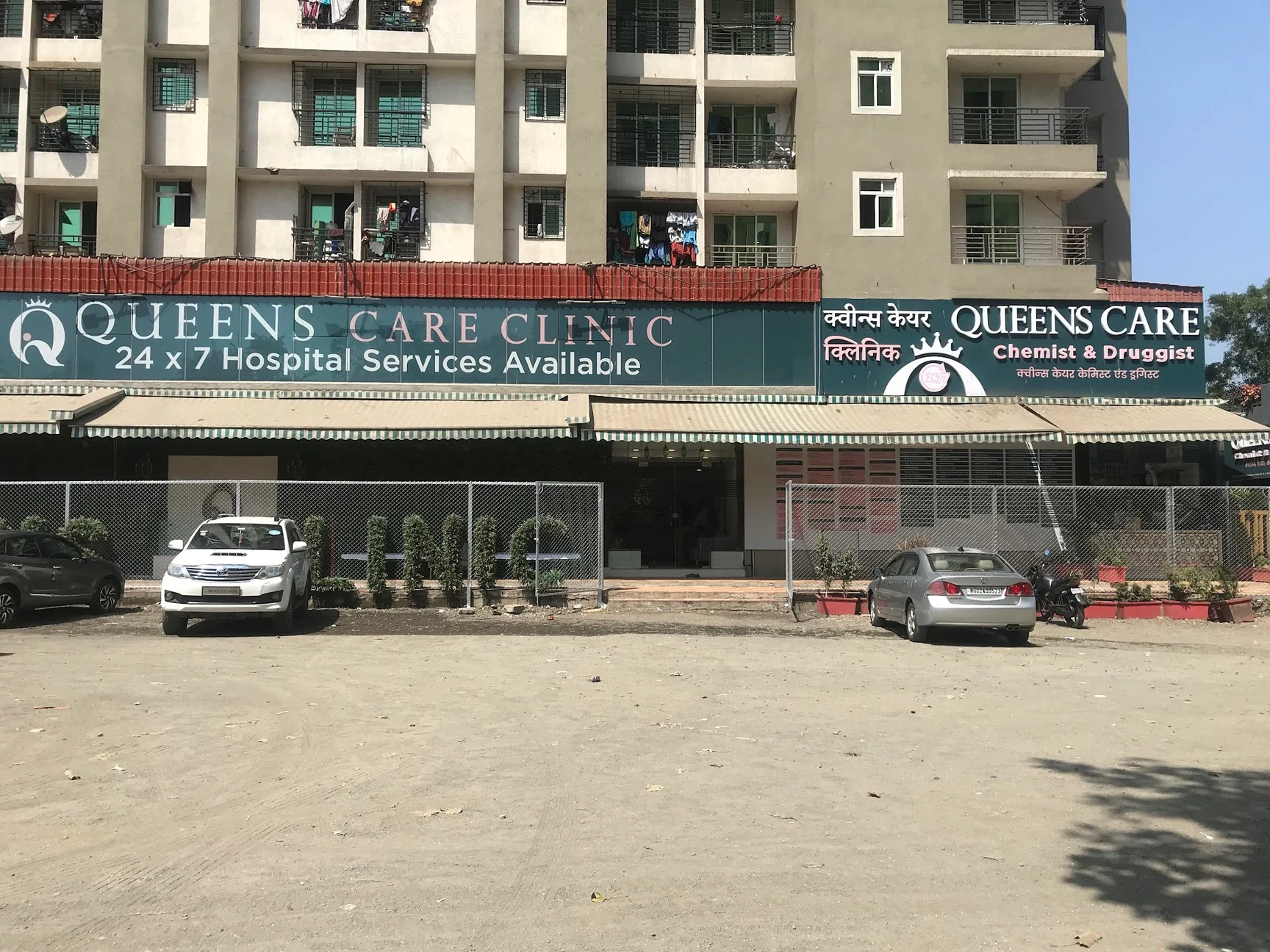
Residents of Palava looking for local healthcare options can explore Queens Care Hospital and contact the facility directly to confirm its available diagnostic services, timings, and other requirements.
Timely medical consultation, appropriate investigations, and proper follow-up can help individuals take a more informed approach to their health.