English
 Arabic
 French
 Spanish
 Portuguese
 Deutsch
 Turkish
 Dutch
 Italiano
 Russian
 Romaian
 Portuguese (Brazil)
 Greek
Real Estate Property Management Companies: Professional Property Care with Prospera UAE
Home |
2026-11-11 09:47:36
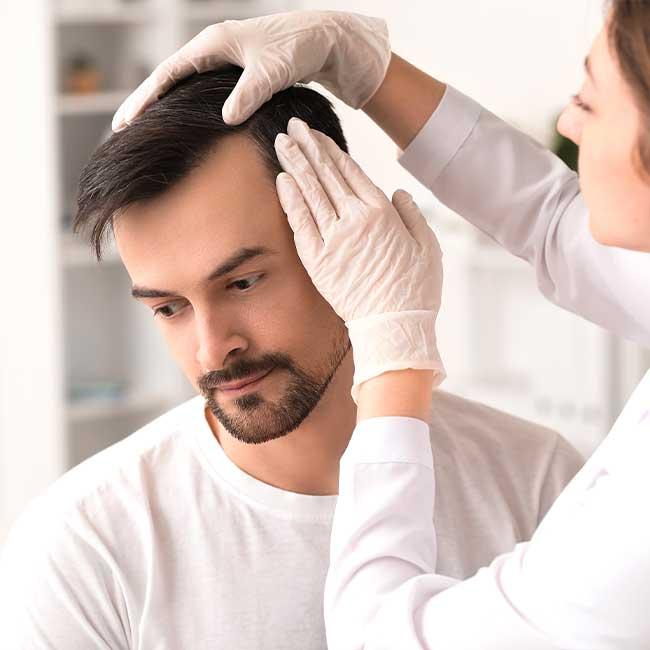
Hair loss is a common concern that can affect people of different ages. While losing some hair every day is part of the natural hair growth cycle, excessive shedding, visible thinning, or bald patches may indicate an underlying issue. For many individuals, changes in hair density can also affect confidence and everyday comfort.
Hair loss can develop gradually or occur suddenly. Genetics, hormonal changes, nutritional deficiencies, stress, medical conditions, and scalp disorders are some of the factors that may contribute to it. Since the causes can differ from person to person, identifying the reason for hair loss is an important first step towards choosing the right treatment.
People exploring hair loss treatment in Juhu should understand the available approaches, the importance of professional diagnosis, and the role of consistent care in managing hair concerns.
Hair loss does not look the same for everyone. It may affect the entire scalp, specific areas, or the hairline.
Some common types include:
Pattern hair loss, also called androgenetic alopecia, is a common condition influenced by genetics and hormones. In men, it often causes a receding hairline or thinning around the crown. Women may notice reduced density around the top of the scalp or a widening parting.
The condition usually progresses gradually, although the rate of thinning varies.
Telogen effluvium is a type of temporary hair shedding that can occur after physical or emotional stress. Illness, surgery, significant weight changes, childbirth, or other major events may trigger it.
People with this condition may notice increased hair shedding while washing or brushing their hair. The underlying trigger should be identified and addressed where possible.
Alopecia areata is an autoimmune condition in which the immune system affects hair follicles. It can cause round or irregular patches of hair loss on the scalp and sometimes other parts of the body.
The condition requires medical assessment because its course and treatment response can vary.
Certain scalp conditions, including fungal infections, psoriasis, and seborrhoeic dermatitis, may cause itching, inflammation, scaling, and hair shedding.
Treating the underlying scalp problem is important for managing these symptoms and protecting scalp health.
Several factors can influence the normal hair growth cycle.
Genetics: Family history can play an important role in pattern hair loss.
Hormonal changes: Thyroid disorders, pregnancy, menopause, and certain hormonal conditions may affect hair growth.
Nutritional deficiencies: Low levels of iron, protein, zinc, and other essential nutrients may contribute to hair problems in some individuals.
Stress: Physical or emotional stress can trigger temporary increased shedding.
Medical conditions and medications: Certain illnesses and medicines may affect hair growth. Patients should discuss possible medication-related hair changes with their doctor rather than stopping prescribed treatment independently.
Hair styling practices: Frequent use of heat, tight hairstyles, and harsh chemical treatments can damage hair shafts and contribute to breakage.
Understanding the cause helps determine whether the patient needs medical treatment, nutritional correction, scalp care, or a combination of approaches.
Many people begin using hair oils, shampoos, supplements, or home remedies as soon as they notice hair fall. These approaches may support general hair care, but they do not necessarily address the underlying cause.
A dermatologist can evaluate the scalp, examine the pattern of hair loss, and review the patient's medical history. The consultation may include questions about the duration of hair fall, family history, recent illnesses, stress, diet, and current medications.
Depending on the findings, the doctor may recommend blood tests or other investigations to check for possible nutritional, hormonal, or medical factors.
A proper diagnosis helps avoid unnecessary treatments and makes it easier to develop a suitable management plan.
Treatment depends on the type of hair loss, its severity, and the patient's individual health requirements. Not every treatment is suitable for every person.
Topical minoxidil is commonly used for certain types of pattern hair loss. It is applied to the scalp according to medical instructions and may help improve hair growth or slow further thinning in suitable patients.
Results usually require consistent use over time. The treatment may not work equally well for everyone, and patients should discuss possible side effects and appropriate use with a dermatologist.
Some types of hair loss may be managed with prescription medicines. The choice depends on the diagnosis, age, sex, medical history, and other individual factors.
A dermatologist can explain the possible benefits, risks, and monitoring requirements. Patients should not use prescription hair-loss medication without professional guidance.
Platelet-rich plasma, or PRP, is a procedure that uses a concentrated portion of the patient's own blood. The blood is processed to separate platelet-rich plasma, which may then be injected into selected areas of the scalp.
PRP is sometimes used for certain types of hair thinning. However, results can vary, and the evidence supporting its effectiveness is still developing. A consultation should cover suitability, expected outcomes, costs, and the number of sessions that may be required.
If hair shedding is associated with dandruff, inflammation, or infection, treatment may focus on managing the scalp condition.
Depending on the diagnosis, a dermatologist may recommend medicated shampoos, topical treatments, or other appropriate medicines. Improving scalp health can be an important part of a wider hair-care plan.
A balanced diet provides the nutrients needed for normal hair growth. If tests identify a deficiency, the doctor may recommend dietary changes or suitable supplements.
Taking high doses of vitamins or minerals without confirming a deficiency is not advisable. Excessive supplementation can sometimes cause unwanted effects.
A hair-loss consultation is generally focused on understanding the patient's symptoms and identifying possible causes.
The dermatologist may ask:
When did the hair loss begin?
Is the shedding sudden or gradual?
Is thinning affecting the whole scalp or specific areas?
Is there any itching, redness, scaling, or discomfort?
Has there been a recent illness or stressful event?
Are there any known medical or hormonal conditions?
Is there a family history of hair loss?
Which hair products, medications, or supplements are currently being used?
The doctor may examine the scalp and hair density and recommend further investigations if required.
Once the assessment is complete, the dermatologist can discuss suitable treatment options and explain what results may realistically be expected.
Medical treatment may be necessary for persistent hair loss, but everyday habits can also support overall hair and scalp health.
Consider the following practices:
Eat a balanced diet with sufficient protein and essential nutrients.
Maintain a regular sleep schedule.
Manage stress through suitable relaxation and physical activity.
Avoid hairstyles that pull tightly on the hair.
Limit excessive heat styling and harsh chemical treatments.
Use hair products that suit your scalp type.
Avoid frequent experimentation with unverified hair-growth remedies.
Seek medical advice if hair loss is sudden, severe, or accompanied by scalp symptoms.
These habits can help reduce avoidable hair damage, although they cannot replace medical treatment for conditions such as genetic hair loss or autoimmune disorders.
It is useful to seek professional advice when hair loss continues for several weeks, becomes noticeably excessive, or leads to visible thinning.
A consultation is particularly important if hair loss occurs suddenly, develops in patches, or is accompanied by scalp pain, redness, itching, or scaling. Early evaluation can help identify treatable causes and prevent delays in appropriate care.
Choosing a suitable clinic involves more than selecting a treatment based on advertisements or online recommendations. Patients should look for professional dermatological assessment, clear explanations, and treatment plans based on individual needs.
A good consultation should cover the likely cause of hair loss, available treatment options, expected timelines, possible side effects, and follow-up requirements.
Those considering hair loss treatment in Juhu can explore a consultation at Skinworks to discuss their hair and scalp concerns and understand which options may be appropriate.
Hair loss can result from several factors, including genetics, hormonal changes, nutritional deficiencies, stress, and scalp conditions. Since each cause may require a different approach, professional diagnosis is essential before beginning treatment.
With appropriate medical guidance, consistent care, and realistic expectations, patients can make informed decisions about managing hair thinning and maintaining scalp health. Anyone experiencing persistent or unusual hair loss should consult a dermatologist to understand the cause and explore suitable treatment options.