English
 Arabic
 French
 Spanish
 Portuguese
 Deutsch
 Turkish
 Dutch
 Italiano
 Russian
 Romaian
 Portuguese (Brazil)
 Greek
Draught Beer Market Growth Driven by Evolving Consumer Preferences
Food |
2026-11-17 14:40:33
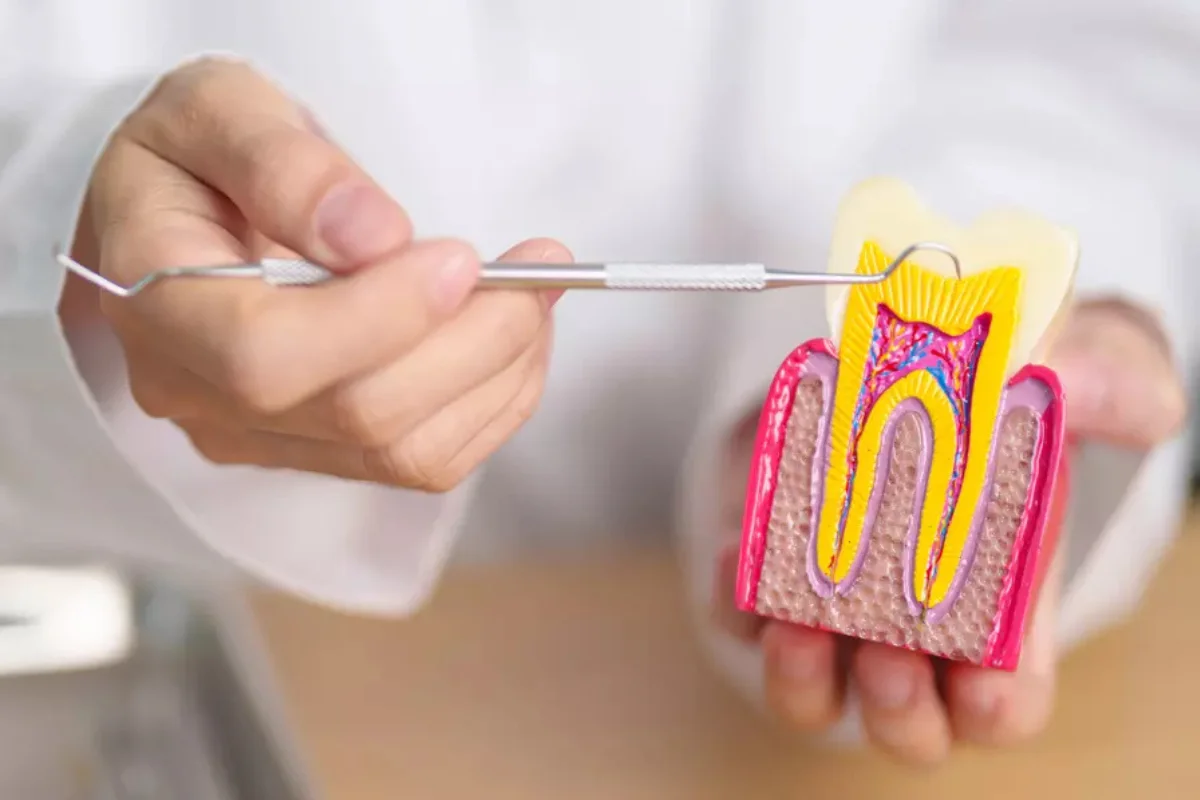
A severe toothache that will not go away is more than a nuisance. It can be a sign that the soft tissue inside your tooth, called the pulp, is infected or damaged. When bacteria reach the pulp, the infection can cause intense pain, swelling, and even tooth loss if it is not treated. Root canal treatment removes the infected tissue, relieves the pain, and saves your natural tooth.
At Texas Smile Dental Center, Dr. Noman Hussain, Dr. Hassan Asghar, and Dr. Ans Athar provide root canal treatment in Dallas TX, focused on relieving tooth pain and protecting your natural teeth. Our dental clinic in Dallas examines the affected tooth, finds the source of the problem, and recommends the right treatment to stop the infection and restore your comfort.
A root canal is needed when the pulp inside a tooth becomes infected, inflamed, or damaged beyond repair. The pulp holds nerves, blood vessels, and connective tissue. When it is harmed, bacteria can spread through the root and into the surrounding tissues. Several dental problems can make a root canal necessary, including the following.
A cavity that goes untreated can grow deeper until bacteria reach the pulp. Once the pulp is infected, a filling is no longer enough. The infection may cause severe pain and swelling, and root canal treatment is often the only way to save the tooth.
A cracked or broken tooth can open a path for bacteria to enter the pulp. Even a small crack that you cannot see may let infection develop inside the tooth. Chewing or biting on a cracked tooth can make the damage worse and increase the pain.
A tooth that has been treated many times, with several fillings or other work, can become weak over time. Repeated procedures can irritate the pulp and leave it more open to infection. When the pulp becomes inflamed or infected after repeated work, a root canal may be needed.
A blow to the face or mouth can damage a tooth even when there is no visible crack. Trauma can cut off the blood supply to the pulp or injure the nerves inside the tooth. The tooth may darken, become painful, or develop an infection weeks or months after the injury.
Advanced gum disease can damage the tissues and bone that hold a tooth in place. When deep periodontal pockets form around a tooth, bacteria can travel down the root and reach the pulp. Treating the gum disease and the infected pulp together may be needed to save the tooth.
An infected tooth does not always hurt at first, but the warning signs usually grow stronger over time. A toothache that keeps coming back, or pain that wakes you at night, should never be ignored. A root canal dentist in Dallas can examine the tooth and confirm whether treatment is needed. Common warning signs include:
- Severe toothache when chewing or putting pressure on the tooth
- Sensitivity to hot or cold food and drinks that lingers after the food is gone
- A tooth that has darkened or become discolored
- Swollen, tender, or red gums around one tooth
- A small pimple-like bump on the gums near the affected tooth
- Pain that wakes you up at night or makes it hard to sleep
- A chipped or cracked tooth that hurts when you bite down
- A bad taste in the mouth that does not go away
A toothache that fades for a few days may seem like it has fixed itself, but the infection inside the tooth is usually still there. Painkillers and home remedies can dull the pain for a while, but they cannot remove infected pulp. While you wait, bacteria keep spreading through the root and into the jawbone.
Ignoring an infected tooth can lead to an abscess, a pocket of pus at the root of the tooth, and the infection may spread to nearby teeth, the jaw, or other parts of the body. What starts as a simple root canal can turn into a tooth extraction and a much bigger problem. Seeing a dentist near Dallas TX, at the first sign of serious tooth pain gives you the best chance of keeping your natural tooth.
Root canal treatment is a routine dental procedure, and most patients are surprised by how comfortable it is. With modern anesthesia, a root canal usually feels no worse than getting a filling. The procedure is normally completed in one or two visits, depending on the tooth and the severity of the infection.
The dentist first examines the painful tooth and takes X-rays to see the shape of the root canals and how far the infection has spread. This helps plan the treatment and confirm that a root canal is the right option.
A local anesthetic is used to numb the tooth and the surrounding gums, so you should feel little or no pain during the procedure. The dentist waits until the area is fully numb before starting.
The dentist makes a small opening in the top of the tooth and removes the infected or damaged pulp tissue from inside the tooth and its roots. This takes away the source of the infection and the pain.
The inside of the tooth and the root canals are carefully cleaned, disinfected, and shaped. This removes bacteria and prepares the canals for filling.
The cleaned canals are filled with a rubber-like material and sealed to keep bacteria out. A temporary filling is placed on top of the tooth to protect it until the final restoration is ready.
A tooth that has had a root canal is often weaker than before, so a crown is usually placed on top to protect it. The crown restores the tooth's shape, strength, and appearance, letting you chew normally again.
Putting off a root canal lets the infection grow inside the tooth and spread to the surrounding bone. The pain often returns stronger, and the tooth may develop an abscess that causes swelling in the face or jaw. In severe cases, the infection can spread beyond the mouth and become a serious health risk.
Delaying treatment can also mean losing the tooth completely. Once a tooth cannot be saved, the only option is extraction, followed by a replacement such as an implant or bridge, which costs more time and money than a root canal. Early treatment protects both your tooth and your overall health.
Caring for your tooth after a root canal helps it heal and last for years. Avoid chewing hard foods on the treated tooth until the crown is placed, since the tooth is more fragile before it is fully restored. Brush twice daily with fluoride toothpaste, floss gently around the tooth, and keep your follow-up appointments.
Some soreness or mild sensitivity for a few days after the procedure is normal and usually eases with over-the-counter pain relief. If pain, swelling, or pressure gets worse instead of better, contact your dentist right away. A dental checkup in Dallas TX, can confirm that the tooth is healing well and catch any problems early.
A toothache that will not go away is a warning sign that your tooth needs attention. An infected pulp can cause severe pain, swelling, and tooth loss when left untreated. Root canal treatment removes the infection, relieves the pain, and saves your natural tooth.
At Texas Smile Dental Center — best dentist in Texas — Dr. Noman Hussain, Dr. Hassan Asghar, and Dr. Ans Athar provide dental care for many oral health concerns. Our root canal treatment in Dallas, TX, focuses on finding the source of your pain, treating the infection, and protecting your natural teeth. Book your appointment today or call +1 214-275-0172 to discuss your symptoms and take the next step toward a pain-free smile.
A root canal is done under local anesthesia, so you should feel little or no pain during the procedure. Most patients say it feels similar to getting a filling. Some soreness for a few days afterward is normal and usually settles with over-the-counter pain relief.
A root canal usually takes about 60 to 90 minutes, depending on the tooth and how severe the infection is. Most root canals are finished in one visit, though a second visit may be needed for a badly infected tooth or a molar with several canals.
Most root canals need one or two visits. The first visit covers cleaning out the infection and sealing the tooth. A second visit is often needed to place a crown, which protects the treated tooth and restores its strength.
You can eat once the numbness wears off, but avoid chewing on the treated tooth until the crown is placed. Stick to soft foods for the first day or two, and avoid very hot or hard foods that could irritate the tooth.
A root canal treated tooth can last a lifetime with good oral care. Brushing, flossing, regular dental checkups, and a crown to protect the tooth all help it last. Avoiding chewing hard objects like ice or pens also protects the treated tooth.