English
 Arabic
 French
 Spanish
 Portuguese
 Deutsch
 Turkish
 Dutch
 Italiano
 Russian
 Romaian
 Portuguese (Brazil)
 Greek
How to Plan Delhi to Manali Trip!
Other |
2026-11-02 10:19:43
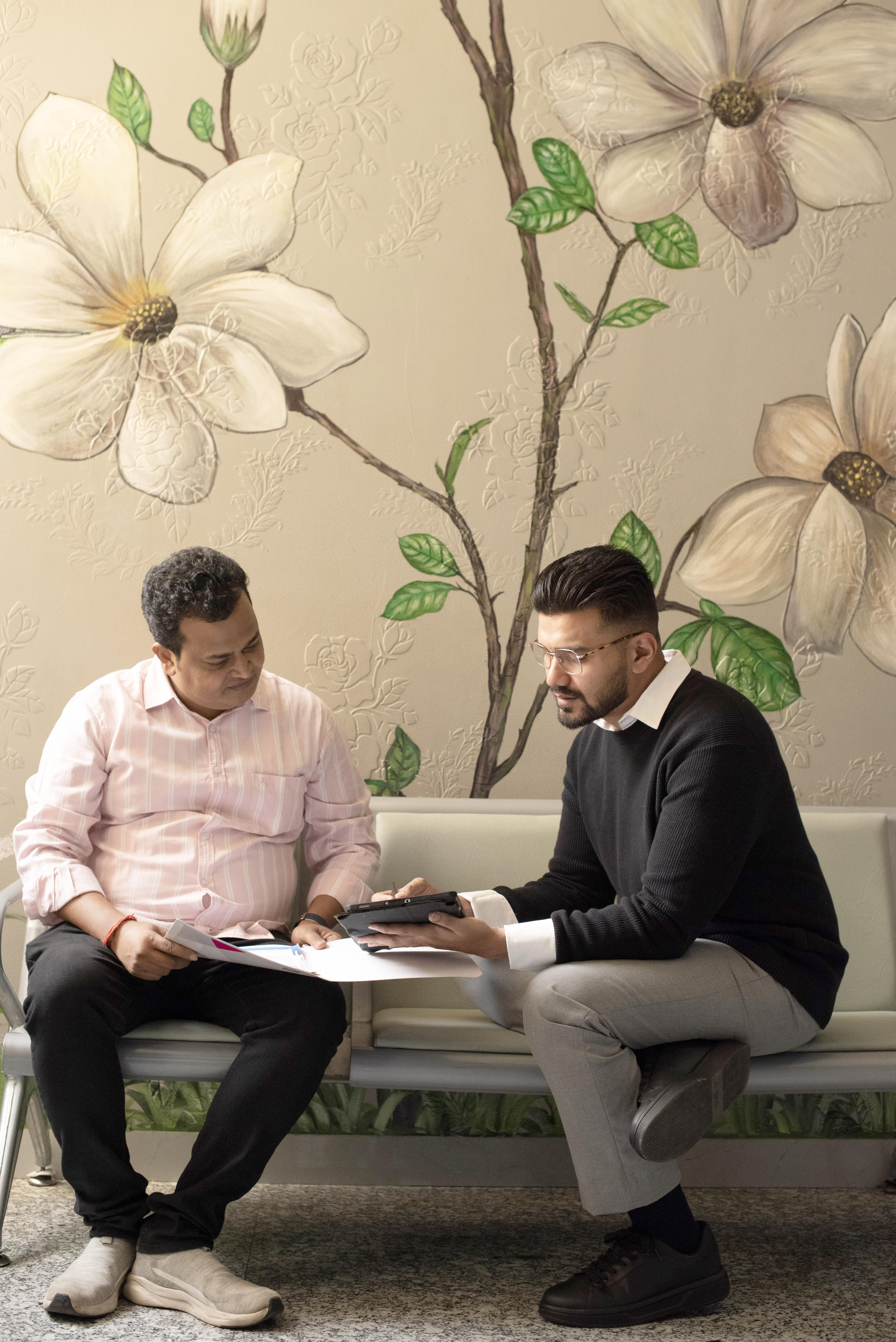
A healthy musculoskeletal system is essential for maintaining an active and independent lifestyle. Bones provide structure, joints allow movement, and muscles support the body during everyday activities. Whether it is walking, working, exercising, or performing household tasks, the body depends on these structures to function properly.
However, injuries, age-related changes, repetitive strain, and certain medical conditions can affect bone and joint health. Problems such as knee pain, shoulder stiffness, back discomfort, and fractures may make even simple activities challenging.
Recognising symptoms early and seeking appropriate medical advice can help prevent unnecessary discomfort and support better recovery. Individuals experiencing musculoskeletal problems can consult an orthopedic doctor malad west to understand their condition and explore suitable treatment options.
An orthopaedic doctor specialises in conditions affecting the musculoskeletal system, including bones, joints, muscles, ligaments, tendons, and related structures.
Orthopaedic care covers a wide range of health concerns. Some conditions develop gradually, while others occur suddenly following an accident, fall, or sports activity.
Common conditions evaluated by orthopaedic doctors include:
Knee pain and ligament injuries.
Shoulder pain and restricted movement.
Hip joint problems.
Bone fractures and dislocations.
Sports-related injuries.
Arthritis and joint degeneration.
Muscle strains and tendon injuries.
Back and neck problems.
Certain spine-related conditions.
The treatment approach depends on the diagnosis, severity of the condition, age, medical history, and activity requirements of the patient.
Musculoskeletal problems can appear in different ways. While occasional soreness may improve with rest, persistent symptoms should receive proper attention.
Pain in the knee, shoulder, hip, ankle, or another joint may develop due to injury, inflammation, arthritis, or other conditions.
If discomfort continues, becomes worse, or interferes with normal movement, a medical evaluation can help identify the cause.
Swelling around a joint may occur following an injury or due to an underlying joint condition. Stiffness can make it difficult to bend, straighten, or rotate the affected area.
Recurring swelling or significant restriction of movement should not be ignored.
Pain, weakness, instability, or reduced joint movement can affect walking and balance. Some individuals may find it difficult to climb stairs, stand for long periods, or walk comfortably.
An orthopaedic assessment can help determine whether the problem involves the joints, muscles, bones, or nerves.
Shoulder conditions such as frozen shoulder, rotator cuff injuries, and joint arthritis can make everyday activities difficult.
People may experience discomfort while reaching overhead, lifting objects, or moving their arms behind their backs.
A fall, accident, or sports injury may affect bones, ligaments, tendons, and muscles. Even when an injury initially appears minor, persistent pain or swelling may require examination.
Sudden severe pain, visible deformity, suspected fracture, or inability to bear weight requires urgent medical attention.
Understanding common musculoskeletal conditions can help people recognise symptoms and seek appropriate treatment.
Knee osteoarthritis is a degenerative joint condition in which the protective cartilage gradually deteriorates. It can cause pain, stiffness, swelling, and reduced mobility.
Symptoms may become more noticeable while walking, climbing stairs, standing for extended periods, or getting up from a seated position.
Treatment may include exercise-based rehabilitation, medication, lifestyle changes, and other interventions depending on the severity. Joint replacement may be considered for selected patients with advanced disease and significant functional limitations.
Ligaments connect bones and help stabilise joints. Knee ligament injuries, including ACL and PCL injuries, can occur during sports, sudden twisting movements, or accidents.
Symptoms may include swelling, pain, instability, and difficulty participating in physical activities.
Treatment depends on the ligament involved, the severity of the injury, and the patient's activity requirements. Some injuries can be managed with rehabilitation, while others may require surgery.
Frozen shoulder, also known as adhesive capsulitis, causes pain and progressive stiffness in the shoulder joint.
It may make dressing, reaching overhead, and performing daily tasks difficult. Treatment can include guided exercises, physiotherapy, medication, and selected medical procedures depending on the condition.
The rotator cuff consists of muscles and tendons that help stabilise the shoulder and control arm movement.
Injuries or degeneration affecting these structures may cause pain, weakness, and difficulty lifting the arm. Treatment depends on the extent of tendon damage and the patient's functional needs.
A fracture refers to a break in a bone. It may result from a fall, road accident, sports injury, or other trauma.
Some fractures can be treated using casts or braces, while others require surgical fixation to restore alignment and stability.
Back and neck pain may develop due to muscle strain, disc problems, posture-related stress, injuries, or age-related changes.
Symptoms such as persistent pain, numbness, tingling, or weakness require proper evaluation to understand the underlying cause.
An accurate diagnosis helps ensure that treatment addresses the actual cause of the symptoms.
The doctor may ask about the location and duration of pain, previous injuries, daily activities, existing medical conditions, and treatments already attempted.
This information provides useful context for understanding the patient's condition.
The physical examination may involve checking joint movement, muscle strength, tenderness, swelling, stability, and balance.
Specific clinical tests may be performed depending on the suspected injury or condition.
Imaging may be recommended to examine bones and soft tissues.
X-rays: Commonly used to assess fractures, bone alignment, and joint changes.
MRI: Provides detailed images of ligaments, tendons, cartilage, muscles, and spinal structures.
CT scans: Help evaluate complex bone injuries and provide detailed images of internal structures.
Ultrasound: May be used to examine selected soft-tissue problems.
The doctor determines which investigations are necessary based on the clinical findings.
Not every orthopaedic condition requires surgery. Many patients can benefit from conservative treatment, depending on the diagnosis and severity.
Medication may be recommended to manage pain and inflammation. The choice depends on the patient's medical history, other medicines, and potential side effects.
Physiotherapy is commonly used to improve joint movement, muscle strength, flexibility, and coordination.
A personalised rehabilitation programme can help patients recover from injuries and manage certain long-term musculoskeletal conditions.
Modifying activities that place excessive stress on an affected joint may help manage symptoms. Maintaining a healthy body weight and following suitable exercise routines can also support joint health.
Braces, splints, or walking aids may be recommended for selected conditions. Their purpose may include providing support, limiting certain movements, or improving stability during recovery.
For certain joint conditions, injections may be considered as part of the treatment plan. Their suitability and expected benefits vary according to the diagnosis and individual circumstances.
Surgery may be considered when a condition causes substantial pain, structural damage, instability, or reduced function and other treatments are not sufficient or appropriate.
Some commonly performed orthopaedic procedures include:
Arthroscopy: A minimally invasive procedure used to examine or treat selected problems inside joints, particularly the knee and shoulder.
Joint Replacement: Damaged joint surfaces are replaced with artificial components. It may be considered for selected patients with advanced arthritis.
Fracture Fixation: Plates, screws, rods, or other devices may be used to stabilise certain broken bones.
Ligament Reconstruction: Selected severe ligament injuries may require surgery to improve joint stability.
The decision to undergo surgery should involve a discussion of potential benefits, risks, alternatives, and rehabilitation requirements.
Rehabilitation plays an important role in recovery after an injury or orthopaedic procedure.
A suitable programme may include gentle mobility exercises, strengthening activities, balance training, and gradual return to normal movement.
Patients should follow the recommended schedule and avoid increasing activity levels too quickly. Recovery varies depending on the condition, treatment, and overall health.
Regular follow-up appointments allow the treating professional to monitor progress and adjust the treatment plan when required.
Taking care of the musculoskeletal system can support mobility and help reduce certain injury risks.
Stay physically active with suitable exercises.
Include adequate protein, calcium, and vitamin D in your diet.
Maintain a healthy body weight.
Warm up before sports and demanding workouts.
Use proper techniques while lifting heavy objects.
Avoid sudden increases in exercise intensity.
Take breaks from repetitive activities.
Seek medical advice for persistent or worsening pain.
These habits support general musculoskeletal health, although they cannot prevent every injury or joint condition.
When bone or joint problems begin affecting daily life, choosing suitable medical care becomes important. Patients should look for a qualified orthopaedic professional who can evaluate their symptoms and explain the available treatment options.
Dr Ankit Meshram is an option for individuals exploring orthopaedic consultation in the Malad area. Patients can discuss concerns involving joint pain, injuries, fractures, and movement-related difficulties during a consultation.
Before an appointment, it may be helpful to carry previous medical reports, imaging results, and details about ongoing symptoms. Patients should also ask questions about diagnosis, treatment choices, expected recovery, and follow-up requirements.
Orthopaedic problems can affect people of different age groups and may interfere with work, exercise, and everyday activities. Conditions such as knee osteoarthritis, shoulder injuries, ligament damage, fractures, and spine-related problems require proper evaluation.
Timely medical advice can help identify the cause of discomfort and guide patients towards suitable treatment. With an appropriate combination of medical care, rehabilitation, and healthy lifestyle habits, many individuals can improve their movement and manage musculoskeletal conditions more effectively.