English
 Arabic
 French
 Spanish
 Portuguese
 Deutsch
 Turkish
 Dutch
 Italiano
 Russian
 Romaian
 Portuguese (Brazil)
 Greek
Business Process Outsourcing Services Market Overview: Operations Technologies Applications Through 2035
Music |
2026-11-23 06:29:21
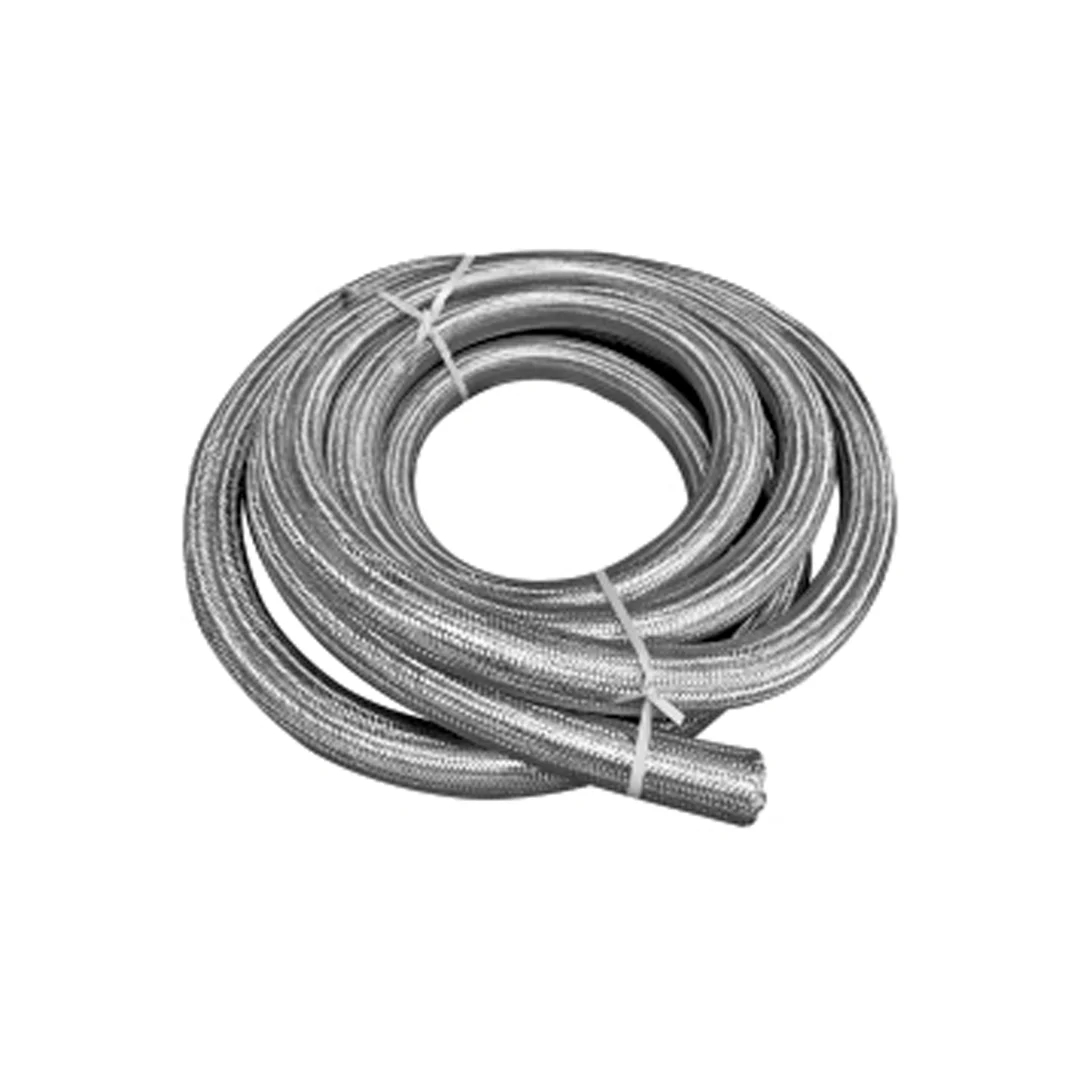
Industrial systems often operate under demanding conditions involving high temperatures, pressure fluctuations, vibration, and the movement of different materials. In such environments, selecting the right connection components is essential for maintaining reliable operations. Metal hoses are widely used in applications where flexibility, strength, and resistance to challenging operating conditions are required.
Unlike conventional rubber or plastic hoses, metal hoses are generally manufactured using flexible metallic structures that allow them to handle specific industrial requirements. They are commonly found in manufacturing plants, power generation facilities, chemical processing units, and other heavy-duty environments.
Understanding their construction, applications, and selection criteria can help businesses identify suitable metal hose solutions for their equipment.
Metal hoses are flexible conduits manufactured primarily from metallic materials, commonly stainless steel. They are designed to transfer gases, liquids, steam, and other compatible substances between connected equipment.
Their flexible construction allows them to accommodate movement, vibration, thermal expansion, and minor misalignment in piping systems, depending on the hose design.
Metal hoses are commonly used where conventional hoses or rigid piping may not provide the required combination of temperature resistance, mechanical strength, and flexibility.
They are available in different sizes, lengths, materials, and configurations to meet specific operating requirements.
A metal hose is generally made using a corrugated metal tube, with optional reinforcement depending on its intended application.
The main components include:
1. Corrugated Metal Tube
The inner tube is formed with a series of corrugations that provide flexibility. These corrugations allow the hose to bend and accommodate movement while maintaining a continuous passage for fluid or gas transfer.
Stainless steel is commonly used because of its mechanical properties and resistance to corrosion in suitable environments.
2. External Braid
Some metal hoses include a braided metallic outer layer. The braid helps support the pressure-carrying capacity of the assembly and limits excessive elongation under pressure.
The required braid construction depends on the working pressure and application.
3. End Connections
Metal hoses can be supplied with different end connections to suit the equipment or piping system. The connection type, material, and dimensions must match the installation requirements.
4. Protective Components
Depending on the application, additional protective coverings or accessories may be used to improve resistance to external damage.
Not every metal hose has the same construction. The appropriate design depends on pressure, temperature, movement, and the material being transferred.
Metal hoses are available in several configurations. Understanding the differences can help businesses select the right option.
Corrugated stainless steel hoses use a flexible metallic tube with a corrugated structure. They are used in applications requiring flexibility and resistance to specific environmental and temperature conditions.
They may be suitable for industrial equipment, piping connections, and selected fluid or gas transfer systems.
Braided metal hoses include an external wire braid around the corrugated inner tube. This reinforcement helps improve pressure-handling capability and supports the hose during operation.
They are commonly considered for applications involving pressure, vibration, and movement, subject to the product's rated specifications.
Flexible metal hoses are designed to accommodate movement and installation requirements in industrial systems. They may be used to connect machinery, reduce the effect of vibration, or allow for thermal expansion.
Their flexibility makes them useful in systems where rigid connections may experience additional mechanical stress.
Stainless steel metal hoses are used in applications where corrosion resistance and durability are important considerations. Their suitability depends on the stainless steel grade, transferred medium, temperature, and surrounding environment.
The correct material should always be selected according to the actual operating conditions.
Metal hoses support a wide range of industrial activities. Their use depends on the required flexibility, temperature range, pressure rating, and material compatibility.
Manufacturing Industry
Manufacturing plants use metal hoses to connect machinery, manage vibration, and accommodate movement in selected piping systems. They can be useful around equipment that experiences regular operational movement.
Chemical Processing
Chemical facilities may use specially selected metal hose assemblies for transferring compatible fluids and gases. Material selection is especially important because different chemicals can affect metals differently.
Power Generation
Power plants contain equipment that may experience high temperatures, vibration, and thermal expansion. Metal hoses can be used in suitable auxiliary systems and connections where their specifications meet the application requirements.
Oil and Gas Industry
Selected oil and gas operations require flexible connections for fluid and gas transfer. Metal hose assemblies may be considered where the material, pressure rating, and safety requirements are appropriate.
Automotive and Engineering
Metal hoses may be used in selected automotive and engineering systems where flexible metallic connections are required. Their use depends on the equipment design and operating conditions.
Industrial Steam Applications
Some metal hose assemblies are designed for specific steam applications. These systems require careful attention to pressure, temperature, installation, and manufacturer recommendations.
Metal hoses offer several advantages when selected and installed correctly.
The corrugated construction allows metal hoses to bend and accommodate movement. This can simplify connections between equipment components.
Metal hose assemblies can be designed for demanding temperature conditions. Their actual operating limits depend on the material, construction, pressure, and manufacturer specifications.
Flexible metal connections can help accommodate equipment vibration and reduce stress on connected piping. However, the hose must be correctly selected and installed to provide this benefit.
Stainless steel options can offer resistance to corrosion in suitable environments. The correct grade must be selected based on the transferred medium and external conditions.
Metal hoses can help connect components where rigid piping would be difficult to install. Different lengths and end connections allow assemblies to be configured for specific applications.
Metal hose assemblies may accommodate movement caused by temperature changes in connected equipment or piping systems. The assembly must be designed for the type and amount of movement expected.
Selecting a metal hose requires evaluating the complete operating environment rather than focusing only on its size or material.
The hose assembly must be suitable for the system's maximum operating pressure, including pressure fluctuations. The pressure rating should be confirmed using the manufacturer's technical documentation.
Both the temperature of the transferred material and the surrounding environment should be considered. Pressure ratings may change at elevated temperatures, so both factors must be evaluated together.
The metal used in the hose must be compatible with the fluid or gas being transferred. Stainless steel grades have different properties, and no single grade is suitable for every chemical or environment.
The internal diameter should meet the system's flow requirements. The hose length should allow the intended movement without creating excessive bending, stretching, or mechanical stress.
Consider whether the hose will experience axial movement, lateral movement, bending, or vibration. Different hose configurations are designed for different movement patterns.
The end fittings must match the connected equipment and piping system. Incorrect connections can create leakage and installation problems.
Correct installation is essential for achieving reliable performance from a metal hose assembly.
Some important practices include:
Follow the manufacturer's installation instructions.
Avoid twisting the hose during installation.
Maintain the recommended bend radius.
Use suitable supports where required.
Ensure that end connections are correctly matched and secured.
Avoid exposing the assembly to loads beyond its design limits.
Inspect regularly for corrosion, deformation, leakage, and braid damage.
Metal hoses should not be used as a substitute for incorrectly designed piping systems. They must be selected according to the expected movement, pressure, temperature, and service conditions.
Inspection and maintenance should be performed by trained personnel using appropriate safety procedures. Systems must be safely isolated and depressurised before maintenance work begins.
Even a correctly manufactured metal hose can experience problems if it is incorrectly selected, installed, or maintained.
Braid Damage: External abrasion or mechanical contact may damage the braided reinforcement.
Corrosion: Incompatible materials or unsuitable environmental conditions can cause corrosion.
Excessive Bending: Bending below the recommended radius may damage the corrugated tube.
Torsional Stress: Twisting during installation or operation can create additional stress and shorten service life.
Leakage: Damage to the tube or end connections can lead to leaks and require inspection or replacement.
Identifying these problems early can help reduce unexpected downtime and improve system reliability.
Every industrial application has different requirements. A hose used in a manufacturing facility may need to accommodate vibration, while another application may require resistance to higher temperatures or specific chemicals.
Businesses exploring metal hoses can review the product range available from Inflex Hydraulics. Before selecting a product, it is important to confirm the required material, pressure rating, temperature range, dimensions, movement requirements, and end connections.
Consulting a knowledgeable supplier and reviewing technical specifications can help businesses identify a suitable metal hose assembly for their equipment.
Metal hoses are important components in industrial systems that require flexible metallic connections. Their corrugated construction and optional braided reinforcement make them useful in selected applications involving vibration, movement, pressure, and temperature variations.
Choosing the correct metal hose requires careful evaluation of operating pressure, temperature, material compatibility, hose dimensions, movement, and connection requirements. Proper installation and regular inspection are equally important for maintaining reliable performance.
By selecting a hose assembly that meets the application's technical requirements, businesses can support safer connections, reduce unnecessary equipment stress, and maintain efficient industrial operations.