English
 Arabic
 French
 Spanish
 Portuguese
 Deutsch
 Turkish
 Dutch
 Italiano
 Russian
 Romaian
 Portuguese (Brazil)
 Greek
Custom Heat Seal Paper: Reliable Packaging with a Professional Branded Finish
Other |
2026-11-09 14:37:47
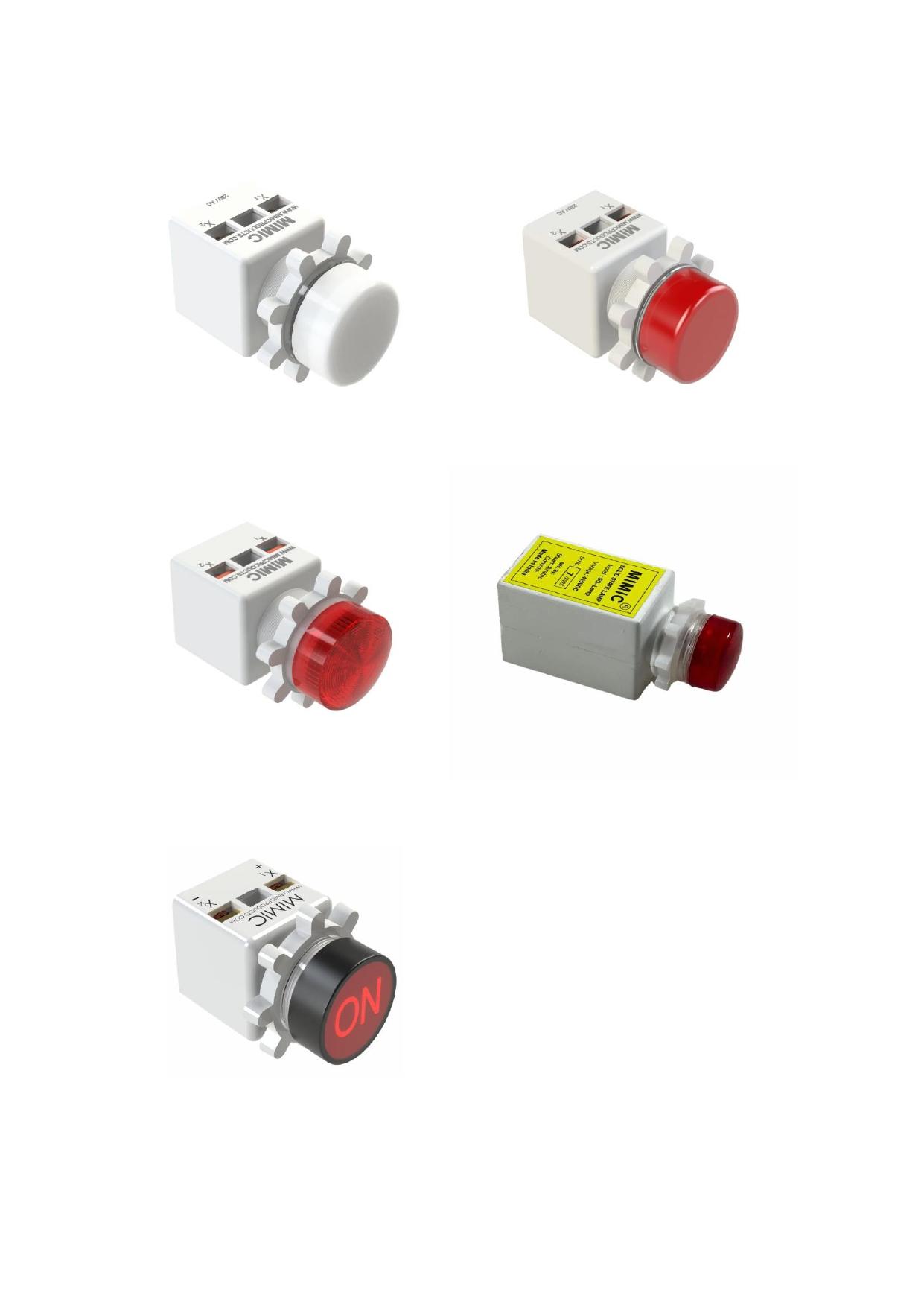
Electrical panels are designed to distribute power, manage electrical circuits and control industrial equipment. They also provide operators and maintenance personnel with information about the operating condition of connected systems.
Warning indicators are an important part of this arrangement. When an electrical or operational condition requires attention, a suitable alarm device can help communicate the situation.
An LED flasher buzzer combines a flashing LED light and an audible warning in one unit. It can be considered for electrical panels where both types of notification are required.
However, selecting the right model involves more than simply choosing a device based on appearance. Voltage, mounting dimensions, sound output and environmental suitability should all be considered.
Industrial panels may control several electrical circuits and machines. Monitoring every parameter manually is not always practical, especially in large installations.
Warning devices provide an additional way to communicate selected conditions.
For example, a control circuit may activate an alarm when a motor trips, a monitored parameter reaches a specified limit or another programmed condition occurs.
A properly connected LED flasher buzzer can help operators recognise the warning through a flashing light and audible sound.
Voltage compatibility is one of the most important selection factors.
Electrical panels may operate using different supply voltages depending on the application and control circuit. Therefore, the selected device must match the voltage specified in its technical documentation.
Before purchasing, verify:
Rated operating voltage.
AC or DC supply requirement.
Permitted voltage variation.
Connection requirements.
Compatibility with the control circuit.
Using a device outside its specified operating range can cause malfunction or damage.
The audible warning should be appropriate for the installation environment.
For example, a device installed in a quiet electrical room may have different sound requirements from one used near heavy industrial machinery.
When evaluating an LED flasher buzzer, consider:
Sound pressure level.
Distance between the device and operator.
Background noise.
Frequency of warning signals.
Applicable workplace requirements.
The objective is to make the warning sufficiently noticeable without creating unnecessary noise.
The visual indication should be easy to recognise from the operator's normal working position.
Panel layout, lighting conditions and viewing distance can influence visibility.
A suitable LED warning arrangement should be evaluated based on its brightness, colour, flashing pattern and viewing angle.
In addition, the warning colour should follow the applicable plant signalling conventions and electrical safety standards.
Space is often limited in electrical control panels. Therefore, the physical dimensions of the warning device should be checked before installation.
Important details include:
Panel cut-out diameter.
Overall device dimensions.
Mounting depth.
Terminal accessibility.
Required clearance.
Compatibility with the panel surface.
Correct measurements help avoid unnecessary modifications during installation.
Electrical panels may be installed in different working environments.
Some are located in clean indoor rooms, while others operate in areas exposed to dust, moisture, heat or vibration.
Before selecting an LED flasher buzzer, review the manufacturer's environmental specifications.
If the installation requires a particular ingress protection rating, ensure that the complete installed arrangement meets the relevant requirement.
The warning device must be compatible with the electrical arrangement used in the panel.
Engineers should review the wiring diagram, terminal arrangement and activation method before installation.
For instance, the control system may use a relay contact or controller output to activate the alarm.
The device should be integrated without exceeding the electrical ratings of the connected components.
An LED flasher buzzer can be considered in several types of electrical installations.
Motor control panels: It may provide an indication when a selected motor-related alarm condition occurs.
Distribution panels: Suitable warning circuits can communicate selected abnormal electrical conditions.
Machine control panels: It can alert operators when equipment requires attention.
Automation cabinets: The device can provide a local notification for controller-generated alarms.
Industrial equipment panels: It can support warning arrangements for different operating conditions.
The actual use depends on the panel design and device specifications.
Selecting suitable warning equipment can improve the overall organisation of an electrical panel.
First, combined visual and audible notification provides an additional way to communicate alerts. Second, a compact unit can help simplify panel layouts where mounting space is restricted.
Furthermore, a correctly selected device can integrate with the existing control arrangement without requiring unnecessary changes.
However, these advantages depend on proper engineering, installation and maintenance.
Some mistakes can affect the suitability of a warning device.
Selecting a device without checking its rated voltage.
Ignoring the difference between AC and DC requirements.
Overlooking the panel mounting dimensions.
Choosing inadequate sound output for the installation environment.
Ignoring environmental protection requirements.
Failing to review the wiring arrangement.
Not checking the manufacturer's technical documentation.
Avoiding these issues can make equipment selection more efficient.
Installation should be performed by qualified personnel following the approved electrical drawings and applicable safety procedures.
Before installation, isolate the relevant power source and verify the absence of hazardous voltage using appropriate equipment.
After mounting, check the wiring connections and confirm that the warning functions operate according to the intended control logic.
The completed installation should also be inspected for secure mounting, correct polarity where applicable and electrical compatibility.
Q1. What should be checked first when buying an LED flasher buzzer?
The rated supply voltage and AC/DC compatibility should be checked first.
Q2. Can the device be installed on a control panel?
Yes. Compatible models can be mounted on suitable electrical control panels.
Q3. Why is sound output important?
The warning must be audible in the intended working environment, taking background noise into account.
Q4. Are mounting dimensions standard for every model?
No. Mounting dimensions can vary between models, so the technical drawing should always be reviewed.
Q5. Is professional installation recommended?
Yes. Qualified personnel should handle installation and electrical connections according to approved safety procedures.
Selecting an LED flasher buzzer for an electrical panel requires careful evaluation of electrical, mechanical and environmental factors. Rated voltage, audible output, LED visibility, mounting dimensions and wiring compatibility all influence the suitability of the device.
By reviewing these requirements before purchasing, electrical engineers and maintenance professionals can choose a warning component that fits their installation and supports effective operator communication.