English
 Arabic
 French
 Spanish
 Portuguese
 Deutsch
 Turkish
 Dutch
 Italiano
 Russian
 Romaian
 Portuguese (Brazil)
 Greek
Best Property Management Companies Dubai: A Guide for Property Owners
Home |
2026-10-29 10:53:45
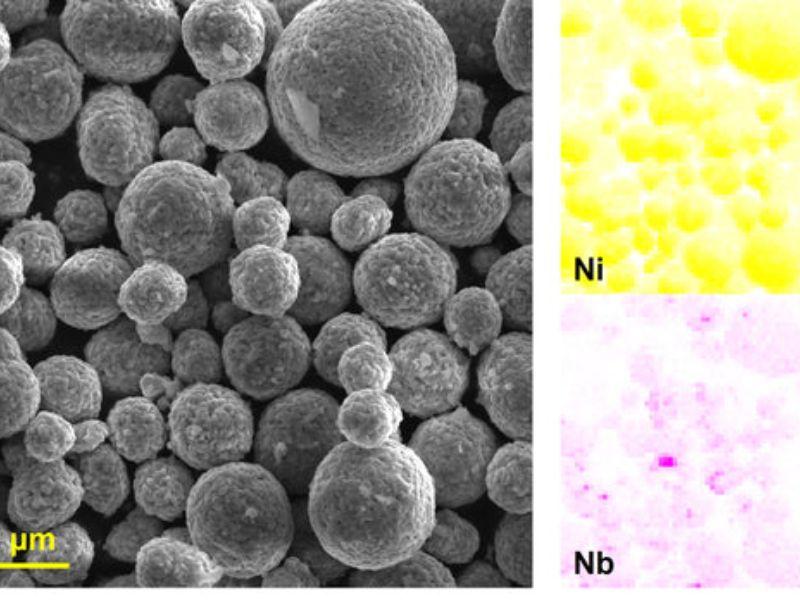
The battery industry is growing rapidly as electric vehicles, renewable energy systems, and portable electronic devices become more popular. This growth has increased the demand for better battery materials that offer reliable performance, improved stability, and longer service life. Cathode materials play an important role in meeting these requirements because they directly influence battery capacity, energy density, and overall performance. Ampcera is focused on supporting battery innovation through advanced material solutions and research-driven technologies, including custom cathode coating services for evolving battery applications. As battery technology continues to develop, manufacturers and researchers need materials that meet specific technical requirements. Selecting the right coating approach can help improve material properties and support the development of next-generation batteries. Ampcera aims to contribute to this progress by providing advanced materials and solutions for modern energy storage needs.
Cathodes are essential components of rechargeable batteries. They help determine how much energy a battery can store and how effectively it can deliver that energy. However, cathode materials may experience unwanted chemical reactions, structural changes, and performance losses during repeated charging and discharging.
Coating is one approach used to address some of these challenges. A suitable coating layer can create a protective surface around cathode particles and help improve their interaction with other battery components.
The coating process may support several important benefits:
Better surface stability during battery operation.
Reduced unwanted reactions between the cathode and electrolyte.
Improved material durability during repeated cycling.
Better control over surface characteristics.
Support for different battery research and development requirements.
The actual results depend on the cathode composition, coating material, manufacturing process, and operating conditions.
Every battery application has different performance requirements. Electric vehicle batteries may require high energy density and long cycle life, while stationary energy storage systems may focus more on durability, safety, and cost.
Standard coating methods may not meet every research or manufacturing requirement. This is where custom cathode coating services can provide value by allowing coating approaches to be selected according to specific material characteristics and application goals.
Customization can involve different factors, such as:
Coating material selection.
Coating thickness and uniformity.
Cathode particle characteristics.
Processing temperature and conditions.
Surface chemistry requirements.
Compatibility with battery electrolytes.
A suitable coating strategy can help researchers explore improvements in cathode performance. It also allows manufacturers to investigate material solutions that match their battery designs.
Cathode coating is an important area of battery research because the surface of an active material influences many electrochemical processes. A carefully selected coating may help reduce unwanted interactions and support more stable battery operation.
During battery charging and discharging, cathode materials experience chemical and structural changes. These changes can affect long-term performance.
Protective coatings may help reduce direct contact between reactive cathode surfaces and the electrolyte. This can support improved surface stability under suitable operating conditions.
Battery cycle life refers to the number of charging and discharging cycles a battery can complete before its capacity decreases significantly.
Surface degradation is one factor that can contribute to capacity loss. Proper coating selection may help reduce certain degradation mechanisms and support longer-lasting battery performance.
Chemical reactions between cathode materials and electrolytes can create unwanted compounds on particle surfaces. These reactions may increase resistance and reduce battery efficiency.
Coating materials can act as protective barriers and help control these interactions. Their effectiveness depends on the chemical properties and quality of the coating layer.
Different cathode chemistries have different surface properties. A coating that works well with one material may not provide the same results with another.
This makes material compatibility an important part of coating development. Custom cathode coating services can help researchers investigate suitable coating compositions for specific cathode materials and battery designs.
Ampcera is associated with advanced battery materials and next-generation energy storage technologies. The development of better battery materials requires a combination of scientific research, material engineering, and practical testing.
As the battery industry moves toward improved energy density, safety, and performance, material innovation becomes increasingly important. Ampcera focuses on supporting this evolving field through advanced material solutions and a technology-driven approach.
The company operates in an industry where researchers and battery developers continuously explore new ways to improve electrochemical performance. Cathode surface engineering is one important area within this broader research landscape.
For battery developers, finding suitable material solutions requires attention to quality, consistency, and technical requirements. A strong material development approach can help support research projects and encourage progress in energy storage technology.
Choosing a coating solution is not simply about selecting a protective material. It requires understanding the complete battery system and how different materials interact.
Here are some important factors to consider:
1. Cathode Chemistry: Different cathode compositions have different chemical and structural properties. The coating should be compatible with the selected active material.
2. Coating Thickness: A coating layer should provide suitable surface protection without unnecessarily restricting lithium-ion movement.
3. Electrical Conductivity: The coating should support the electrical requirements of the cathode. Poor conductivity may negatively affect battery performance.
4. Ionic Conductivity: Lithium-ion movement is essential for battery operation. The coating should not create an excessive barrier to ion transport.
5. Thermal Stability: Battery materials must perform under different temperature conditions. Thermal stability is an important consideration during material selection.
6. Manufacturing Consistency: Uniform coating quality is important for achieving repeatable material performance across production batches.
By considering these factors, battery developers can make more informed decisions about coating materials and processing methods.
Cathode coating technologies have potential applications across several battery and energy storage sectors.
Electric vehicles require batteries that offer high energy density, dependable performance, and long service life. Cathode surface engineering may help address certain material degradation challenges and support ongoing battery development.
Solar and wind energy systems require dependable storage solutions to manage changes in energy production. Advanced battery materials can contribute to the development of efficient storage technologies.
Smartphones, laptops, tablets, and wearable devices depend on rechargeable batteries. Improvements in cathode materials may support better energy storage and product performance.
Universities, laboratories, and battery research organizations continuously investigate new cathode compositions and surface treatments. Custom cathode coating services can support experimental work by allowing researchers to study different coating materials and processing approaches.
Selecting the right technical partner is an important decision for battery manufacturers and research organizations. A suitable provider should understand material requirements and offer clear information about its coating capabilities.
Consider the following points before making a decision:
Technical knowledge: Look for an understanding of cathode chemistry and battery material requirements.
Material quality: Consistent material characteristics are important for reliable testing.
Process control: Coating uniformity and repeatability can influence research results.
Customization options: Different projects may require different coating compositions and processing conditions.
Technical communication: Clear discussions about specifications and testing requirements help avoid misunderstandings.
Research support: A provider should understand the goals and technical challenges of battery development.
When comparing custom cathode coating services, it is also important to discuss project requirements, available materials, expected outcomes, and testing methods before beginning a collaboration.
The future of battery technology will depend on continuous improvements in materials, manufacturing processes, and cell design. Researchers are exploring advanced cathode compositions, new surface treatments, and improved electrolyte systems to develop batteries with better performance.
Some important research directions include:
Advanced protective coating materials.
Improved compatibility between cathodes and electrolytes.
More uniform coating processes.
Better resistance to material degradation.
Surface engineering for high-energy-density batteries.
Coating approaches for emerging solid-state battery systems.
As these technologies develop, custom cathode coating services may become increasingly relevant to research teams and battery manufacturers looking for application-specific material solutions.
However, coating performance must be evaluated through suitable electrochemical testing. Factors such as capacity retention, impedance, cycling stability, and thermal behavior help determine whether a particular coating approach is appropriate.
Cathode coating services involve applying a selected material layer to the surface of cathode particles or electrodes. The purpose may include improving surface stability, controlling unwanted reactions, and supporting battery performance.
Cathode coating can help protect active material surfaces from certain unwanted chemical reactions. It may also support better cycling stability and material durability when the coating is properly designed.
Coated cathode materials are relevant to electric vehicles, consumer electronics, renewable energy storage, and battery research and development.
Start by identifying your cathode chemistry, battery design, performance targets, and operating conditions. Discussing these requirements with a technical provider can help identify an appropriate coating strategy.
Ampcera focuses on advanced battery materials and innovative energy storage technologies. Its work in this developing industry makes it a brand to explore when researching next-generation battery material solutions.
Cathode coating is an important part of ongoing battery material innovation. It offers opportunities to improve surface stability, reduce certain unwanted reactions, and support better battery performance. As electric vehicles, renewable energy storage, and advanced electronics continue to grow, the need for reliable and application-specific materials will also increase.
Ampcera represents a forward-looking approach to advanced battery material development. By exploring material innovation and emerging technologies, the company supports the broader progress of energy storage research. For manufacturers and researchers investigating custom cathode coating services, understanding material compatibility, coating quality, and performance requirements is essential. Choosing the right technical approach can help support better research outcomes and contribute to the development of next-generation battery technologies.