English
 Arabic
 French
 Spanish
 Portuguese
 Deutsch
 Turkish
 Dutch
 Italiano
 Russian
 Romaian
 Portuguese (Brazil)
 Greek
Airbnb Property Management Dubai: Simplifying Holiday Home Hosting
Home |
2026-11-16 10:20:30
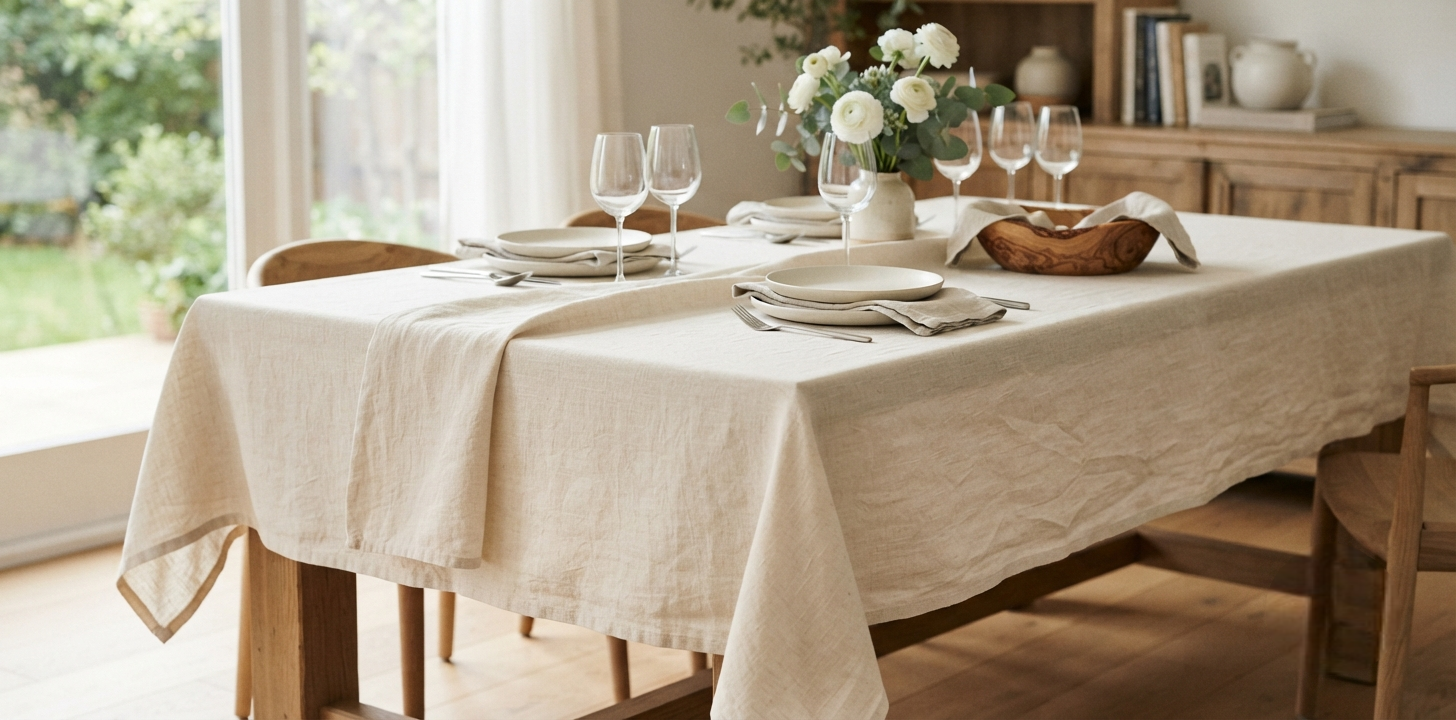
A dining table is one of the most frequently used surfaces in a home. From serving meals and pouring drinks to arranging flowers and sharing conversations, it experiences daily activity that can gradually affect its appearance. A thoughtfully selected tablecloth helps preserve the tabletop while making the dining area feel more complete.
Beyond its decorative purpose, a table covering introduces softness, adds color, and creates a comfortable surface for everyday dining. Choosing the right fabric, size, and design allows you to protect your furniture without hiding its character entirely.
Dining surfaces can experience scratches from plates, serving dishes, utensils, and decorative objects. Spills and food marks can also become difficult to remove if they remain on the surface for too long.
Using a tablecloth creates an additional layer between the tabletop and everyday dining activities. While it cannot prevent every type of damage, it can help reduce direct contact with minor spills, crumbs, and routine surface wear.
A well-fitted Table cloth is particularly useful when the table is used frequently. It keeps the dining surface covered while giving the room a finished appearance that feels intentional rather than purely functional.
The fabric you choose should complement the material and finish of your dining table. Wooden furniture often looks appealing with natural woven fabrics, while modern tables can work with smooth, understated coverings.
A cotton table cloth offers a comfortable fabric surface with a natural appearance. Cotton is available in different weights, textures, and patterns, making it easy to choose a covering that suits the furniture.
For tables used every day, consider a fabric that can be removed and washed conveniently. Check the care instructions before selecting a material, especially if you expect frequent spills or regular cleaning.
The shape of the table influences how evenly the fabric falls and how much coverage is provided around the edges.
A circular table can benefit from round table cloths that create an even drape around the circumference. They help soften the appearance of the tabletop while maintaining a balanced silhouette.
For long dining surfaces, a rectangle table cloth provides coverage along the length and width. This shape is especially useful when the table is used for serving meals or accommodating several people.
A compact square table can be dressed with square table cloths that preserve its proportions and create a neat outline. Selecting the correct shape prevents awkward fabric bunching and uneven corners.
A bare tabletop can feel visually stark, particularly when surrounded by hard surfaces such as wooden flooring, metal chairs, glass cabinets, or stone countertops.
Adding fabric introduces a softer element that helps balance these materials. The folds and natural movement of a tablecloth create a more relaxed atmosphere, making the dining area feel comfortable and welcoming.
Consider a subtle woven finish if the room already contains decorative details. A solid fabric can provide a quiet background for patterned dinnerware, while a small-scale print can bring character to a simpler interior.
The aim is to create visual warmth without making the table feel crowded.
The tablecloth color can influence how the furniture appears within the room. Light shades can make a dining arrangement feel open, while darker tones provide contrast and definition.
If you have a dark wooden table or a room with lighter furniture, a black table cloth can create a distinctive contrast. It pairs well with white dinnerware, glass accessories, and natural wood accents.
For a softer appearance, consider ivory, beige, muted green, or warm gray. These shades complement many furniture finishes and can remain suitable throughout different seasons.
Choose a color that works with the room's existing palette instead of introducing too many competing shades.
The length of fabric hanging over the edges affects both the appearance and functionality of the dining arrangement.
A short drop can create a clean, casual look, while a longer drop gives the table a more traditional appearance. However, excessive fabric may interfere with chairs, brush against people's knees, or become caught when seating is moved.
Measure the tabletop carefully before purchasing. Add twice the desired drop to the table's length and width to determine the finished tablecloth size.
For regular meals, a moderate drop is usually easier to manage and provides a comfortable balance between coverage and convenience.
A tablecloth is only practical if it fits your cleaning routine. Regular meals can leave crumbs, stains, and marks, so choosing a fabric with manageable care requirements is important.
Follow the manufacturer's washing instructions and avoid using unsuitable cleaning products. Allow the fabric to dry completely before folding and storing it.
If you use your dining table throughout the day, keeping an extra covering available can make changing and washing easier. It also allows you to maintain a clean dining arrangement without interruption.
A tablecloth offers a simple way to protect your dining surface while improving the appearance of your dining room. Choosing the right fabric, shape, color, and drop helps create a covering that works with your furniture and daily habits. With thoughtful selection and regular care, a tablecloth can remain a practical and attractive part of your dining space. All Cotton and Linen offers tablecloth styles that bring natural fabric appeal and a considered finishing touch to everyday dining.