English
 Arabic
 French
 Spanish
 Portuguese
 Deutsch
 Turkish
 Dutch
 Italiano
 Russian
 Romaian
 Portuguese (Brazil)
 Greek
Starting Power: How Batteries Ensure Reliable Vehicle Starting
Other |
2026-10-06 08:41:30
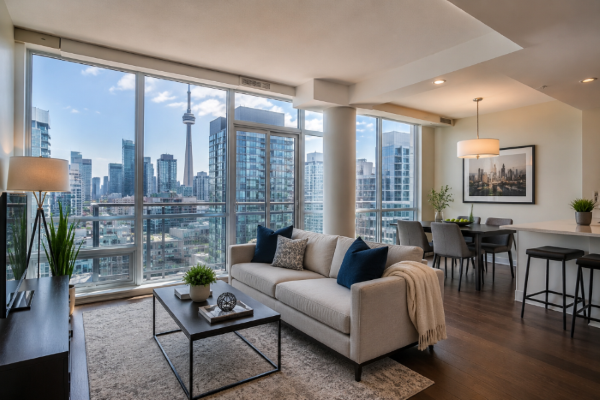
Finding a suitable place to live in downtown Toronto requires more than choosing an attractive apartment. You need a space that fits your daily routine, offers useful facilities, and is located near the places you visit regularly.
A one-bedroom condo can be a practical option for individuals, couples, and professionals who want a separate bedroom and living area without renting a larger property.
If you are searching for a 1 bedroom condo downtown Toronto, understanding the available layouts, rental conditions, and building facilities can help you make a better decision.
Downtown Toronto offers access to workplaces, universities, restaurants, shopping areas, entertainment venues, and public transportation.
A one-bedroom condo can offer several advantages:
A separate bedroom for privacy
A dedicated living area
A kitchen for preparing meals
More space than many studio layouts
Access to shared building facilities
Convenient access to downtown destinations
The right property depends on your budget, preferred location, and length of stay.
Downtown Toronto includes several neighbourhoods, each with its own atmosphere and facilities.
Some areas worth exploring include:
Yorkville: Known for upscale shopping, dining, and cultural destinations.
King West: Popular for restaurants, entertainment, and city living.
Financial District: Convenient for professionals working in downtown offices.
Entertainment District: Offers access to theatres, restaurants, and major attractions.
Waterfront: An option for people who enjoy nearby lakeside spaces and walking routes.
Before choosing a condo, check its distance from your workplace, university, or other regular destinations. Also review nearby transit stations and grocery stores.
Not every one-bedroom condo has the same layout. Some offer an open-plan living and dining area, while others include additional storage or a more spacious kitchen.
Review these features before making a decision:
Bedroom dimensions
Living room space
Kitchen storage
Bathroom layout
Closet capacity
Natural lighting
Balcony access
Space for a desk or home office
If you work remotely, make sure the apartment has enough room for a comfortable workspace.
One important decision is choosing between a furnished and unfurnished apartment.
An unfurnished condo may suit someone planning a longer stay who already owns furniture. A furnished condo can be more convenient for temporary accommodation because it may include beds, sofas, kitchen appliances, and household essentials.
| Feature | Furnished Condo | Unfurnished Condo |
|---|---|---|
| Furniture | Usually included | Usually not included |
| Initial setup | Less preparation | May require furniture purchases |
| Household items | May include basic items | Often arranged by tenant |
| Rental cost | May be higher | Depends on property |
| Best suited for | Temporary stays | Longer-term living |
Always confirm the actual inventory and rental conditions instead of relying only on the listing description.
Condo facilities can make everyday living more convenient.
Depending on the building, available amenities may include:
Fitness centre
Swimming pool
Concierge service
Secure building entry
Visitor parking
Shared lounge
Outdoor terrace
Bicycle storage
Ask if residents can access these facilities and if any additional charges or restrictions apply.
A central location can save time when you travel regularly.
Look for apartments near public transportation, grocery stores, pharmacies, restaurants, and other everyday services.
If you own a vehicle, check parking availability and related costs. Parking is not included with every downtown condo, and some buildings may have limited spaces.
Also review the walking distance to transit stations rather than relying only on a neighbourhood name.
Your budget should include more than the advertised monthly rent.
Ask about:
Utilities
Internet
Parking
Cleaning fees
Security deposits
Building-related charges
Additional booking or administrative fees
Request a written breakdown of all costs before agreeing to the rental.
Rental arrangements vary depending on the property and provider. Some condos are offered through traditional leases, while furnished temporary accommodation may have different terms.
Before signing or booking, confirm:
Minimum stay requirements.
Payment dates and methods.
Cancellation conditions.
Deposit arrangements.
Rules about guests and pets.
Maintenance responsibilities.
Conditions for extending or ending your stay.
Read the agreement carefully and ask questions about anything unclear.
A well-arranged living space can improve your everyday experience.
You can create a welcoming atmosphere with simple decorative items, practical storage, and suitable lighting. Avoid overcrowding the apartment with furniture or accessories.
For ideas about choosing furniture, arranging small rooms, and improving interior spaces, Turner Home Decor offers useful home styling inspiration.
Searching for the right apartment can take time, especially when you need furnished accommodation and flexible rental arrangements.
Toronto Boutique Apartments offers furnished rental options in downtown Toronto and nearby neighbourhoods. You can visit its page for a 1 bedroom condo downtown Toronto to review its accommodation options.
Compare apartment photographs, available facilities, monthly prices, and rental conditions before making an inquiry.
A one-bedroom condo in downtown Toronto can offer a useful balance of privacy, space, and access to city facilities.
Before choosing a property, review its location, layout, furniture, building amenities, and complete rental cost. Understanding these details can help you select a condo that supports your lifestyle and accommodation needs.