English
 Arabic
 French
 Spanish
 Portuguese
 Deutsch
 Turkish
 Dutch
 Italiano
 Russian
 Romaian
 Portuguese (Brazil)
 Greek
Air Spring Component Market Evolves With Smart Suspension Technology
Other |
2026-10-05 11:22:10
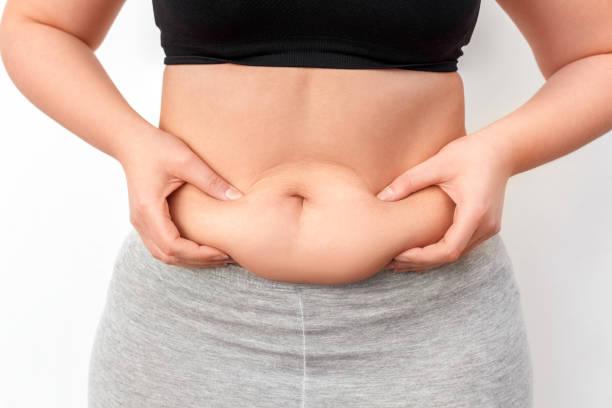
Liposuction is a popular cosmetic procedure designed to remove stubborn pockets of fat and improve body contours. Many people consider this treatment when diet and exercise have not delivered the desired results in specific areas of the body. Understanding what happens during Liposuction in Riyadh can help patients feel more confident and prepared before deciding whether the procedure is right for them.
For individuals researching liposuction riyadh, learning about the treatment process, preparation, techniques, and recovery is an important part of making an informed decision. Liposuction is not a weight-loss solution but a body-contouring procedure that targets localized fat deposits. Knowing what to expect at each stage can make the experience easier to understand.
Liposuction is a surgical body-contouring procedure that removes excess fat from selected areas. It commonly targets the abdomen, thighs, hips, arms, back, chin, and other areas where stubborn fat may accumulate. The purpose is to create a more balanced body shape by reducing unwanted fat deposits.
During the procedure, a qualified medical professional uses a thin tube called a cannula to loosen and remove fat from the targeted area. The cannula is inserted through small incisions, allowing the unwanted fat to be suctioned out. The specific technique depends on the patient's anatomy, treatment goals, and medical suitability.
The process begins with a consultation and medical assessment. During this appointment, the patient's concerns, expectations, medical history, and desired body shape are discussed. The treatment area is examined to determine whether liposuction is an appropriate option.
The medical professional also explains the available techniques, potential benefits, limitations, and possible complications. Patients should use this opportunity to ask questions and understand what results may realistically be achieved.
Once the treatment plan is established, patients receive instructions to prepare for the procedure. These may include reviewing current medications, avoiding certain medicines or supplements when advised, and following specific dietary instructions.
Patients should also discuss smoking, existing medical conditions, and previous surgeries. Following professional guidance helps reduce avoidable risks and supports a safer treatment experience.
On the day of surgery, the treatment area is prepared, and the planned fat-removal areas may be marked. Anesthesia is administered according to the treatment plan. Depending on the procedure and the areas being treated, local anesthesia with sedation or general anesthesia may be considered.
The choice of anesthesia depends on several factors, including the extent of treatment and the patient's medical condition. The medical team monitors the patient throughout the procedure.
After the area is prepared, small incisions are made near the targeted fat deposits. These openings allow the cannula to enter the treatment area. Incisions are generally placed in less noticeable locations whenever possible.
A thin cannula is carefully moved through the fatty tissue to loosen the targeted fat cells. The cannula is connected to a suction device that removes the unwanted fat. The medical professional works carefully to maintain balanced contours and avoid excessive fat removal.
The amount of fat removed depends on the patient's body, treatment goals, and safety considerations. The procedure may take different amounts of time depending on the number and size of the areas being treated.
After the planned fat removal is completed, the cannula is removed. Depending on the surgical approach, the small incisions may be closed with stitches or left partially open to allow fluid drainage. Dressings and compression garments may then be applied to support the treated areas.
Following the procedure, patients are moved to a recovery area where medical staff monitor their condition. It is normal to experience swelling, bruising, soreness, and temporary fluid drainage around the treated areas.
A compression garment is commonly recommended to help control swelling and support the healing tissues. Patients receive instructions about wound care, medication, physical activity, and follow-up appointments.
Some individuals can return home on the same day, while others may require additional observation depending on the extent of surgery and their medical condition.
Recovery takes time, and the experience varies from person to person. Swelling and bruising are generally more noticeable during the initial healing period and gradually improve. Patients should follow their aftercare instructions and avoid strenuous activities until medically cleared.
Light walking may be encouraged to support circulation, while exercise and heavy physical activity should be resumed gradually under professional guidance. Final body contours become more noticeable as swelling decreases, although complete healing can take several months.
1. Is liposuction a painful procedure?
Anesthesia is used during liposuction to manage discomfort. Some soreness, tenderness, and swelling are expected afterward, but these symptoms generally improve during recovery.
2. How long does a liposuction procedure take?
The duration depends on the number of areas being treated, the amount of fat being removed, and the technique used. Your treatment plan will provide a more accurate estimate.
3. Which body areas can be treated with liposuction?
Common treatment areas include the abdomen, thighs, hips, arms, back, chin, and waist. Suitability depends on individual anatomy and medical assessment.
4. When can I return to my normal routine?
Many patients gradually resume light daily activities within a few days, depending on the extent of treatment. Strenuous exercise and demanding activities may require a longer recovery period.
5. Are liposuction results permanent?
Removed fat cells do not normally grow back, but remaining fat cells can enlarge with weight gain. Maintaining a stable weight and healthy lifestyle helps preserve the results.
Understanding every stage of liposuction can help you make a confident and informed decision about body contouring. At Enfield Royal Clinic, patients can receive an individual assessment, discuss their aesthetic goals, and learn about suitable treatment options. Book a consultation to explore whether liposuction is appropriate for your needs and take the next step toward your desired body shape.