English
 Arabic
 French
 Spanish
 Portuguese
 Deutsch
 Turkish
 Dutch
 Italiano
 Russian
 Romaian
 Portuguese (Brazil)
 Greek
Thai Massage in Bradford: Your Guide to Pim Zen Spa
Health |
2026-10-27 13:18:47
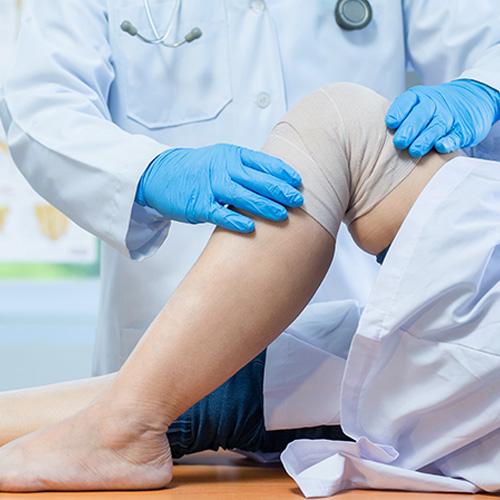
Children are naturally active and curious. Whether they are playing outdoors, participating in sports, cycling or simply exploring their surroundings, physical activity is an important part of childhood. However, falls and accidents can sometimes result in bone injuries that require medical attention. A fracture can be particularly concerning for parents because children's bones are still developing and need appropriate care during recovery.
Finding a paediatric fracture specialist London can help parents understand the nature of a child's injury and the treatment options available. Paediatric fracture care focuses on assessing and managing broken bones in infants, children and teenagers while considering their age, growth stage and individual needs.
A suitable assessment is important not only for treating the immediate injury but also for monitoring bone healing and identifying any complications that may affect future development.
A fracture occurs when a bone breaks or develops a crack. Childhood fractures can happen during everyday activities, playground accidents, sports or road-related incidents. Because children's bones are still growing, they have certain characteristics that differ from adult bones.
Children's bones are generally more flexible, and some fractures may have patterns that are less common in adults. Their bones also contain growth plates, which contribute to normal bone development. Injuries involving these areas may require particular attention.
The type of fracture, its location and the child's age all influence the assessment and treatment approach. A medical professional can determine the appropriate course of action after examining the injury and reviewing any necessary imaging.
Children can experience fractures in many situations. Some injuries happen during organised activities, while others occur through unexpected falls.
Common causes include:
Falling while running or playing.
Accidents involving bicycles, scooters or playground equipment.
Sports injuries during football, cricket, gymnastics or other activities.
Falls from a height.
Direct impacts or collisions.
Road traffic accidents.
The severity of an injury cannot always be judged by how it happened. Even a seemingly minor fall can occasionally cause a fracture, so persistent pain or difficulty using a limb should not be ignored.
Different fracture patterns may occur during childhood. Understanding the type of injury helps guide treatment and follow-up.
A greenstick fracture occurs when a bone bends and breaks on one side without completely separating. This type of injury is associated with the flexibility of developing bones.
Treatment depends on the fracture's location, alignment and severity. Immobilisation with a cast or splint may be recommended, followed by clinical reviews to monitor healing.
A buckle fracture, also known as a torus fracture, occurs when the bone compresses and bulges rather than breaking completely. These injuries commonly affect the wrist after a child falls onto an outstretched hand.
Many buckle fractures are stable and can be managed with suitable support. A clinician will advise on the appropriate treatment and expected recovery.
A complete fracture occurs when the bone breaks through its full width. Depending on the injury, the broken ends may remain aligned or become displaced.
The treatment plan depends on factors such as the affected bone, fracture pattern and degree of displacement. Some injuries can be treated with a cast, while others may require additional intervention.
Growth plate fractures affect the areas of developing tissue near the ends of certain bones. These areas are responsible for allowing bones to grow in length.
Because growth plates are important for normal development, injuries involving them need careful assessment. Follow-up may be required to monitor healing and identify any changes in bone growth.
An open fracture occurs when a broken bone is associated with a wound that communicates with the fracture site. These injuries can involve damage to surrounding tissues and carry a risk of infection.
An open fracture requires urgent medical attention. Treatment may involve wound management, antibiotics and surgical assessment, depending on the injury.
Children may not always be able to explain the exact nature of their pain. Parents and caregivers should look for physical and behavioural changes following an accident.
Possible signs of a fracture include:
Pain or tenderness around a specific bone.
Swelling or bruising.
Difficulty moving the affected arm or leg.
Refusal to stand or put weight on a limb.
Unusual positioning or visible deformity.
Crying or discomfort when the injured area is touched.
Reduced participation in normal activities.
An obvious deformity, an open wound, severe pain, or a limb that becomes numb, pale or cold requires urgent medical attention. A suspected fracture should be assessed by an appropriate medical professional rather than managed through guesswork at home.
Growth plates are areas of cartilage located near the ends of long bones. They gradually develop into solid bone as a child grows.
A fracture involving a growth plate may heal without complications, but some injuries can affect normal bone development. The potential impact depends on the location and severity of the injury and the child's remaining growth.
Medical assessment helps identify the type of growth plate injury and determine whether treatment or additional monitoring is required.
Parents should attend recommended follow-up appointments even if the child's pain improves. Monitoring can help identify changes in bone alignment or growth that may not be immediately noticeable.
The diagnostic process usually begins with a discussion about how the injury occurred and what symptoms the child is experiencing.
A clinical examination may assess:
The location and intensity of pain.
Swelling, bruising and tenderness.
Movement of nearby joints.
Circulation and sensation in the affected limb.
Possible damage to surrounding tissues.
An X-ray is commonly used to assess suspected fractures and understand the position of the bone. Depending on the injury, further imaging or investigations may be recommended.
The findings help the specialist determine the fracture pattern and select an appropriate treatment plan.
Treatment depends on the child's age, the affected bone, fracture stability and whether the bone remains properly aligned. The objective is to support healing while preserving movement and normal development as far as possible.
Many childhood fractures can be managed using a cast or splint. These supports help protect the injured area and keep the bone stable during healing.
Parents should follow instructions about keeping the cast dry, checking the surrounding skin and avoiding activities that could damage the support.
Increasing pain, excessive swelling, numbness, unusual colour changes or a cast that feels excessively tight should be reported promptly.
Some fractures become displaced, meaning the broken bone ends are no longer correctly aligned. A clinician may recommend a procedure to reposition the bone.
This is known as fracture reduction. The method used depends on the injury and may involve appropriate pain relief, sedation or anaesthesia.
After reduction, the affected area may need immobilisation and follow-up imaging to check alignment.
Certain fractures require surgery, particularly when the bone is significantly displaced, unstable or associated with specific complications.
Surgical treatment may involve devices such as pins, screws or plates to maintain the correct position while the bone heals. The choice of procedure depends on the individual injury.
Parents should receive a clear explanation of the proposed treatment, possible risks, expected recovery and follow-up arrangements.
Children often recover well from many fractures, but recovery time varies according to the type of injury, the bone involved and the child's overall circumstances.
During recovery, parents can help by:
Following instructions about casts, splints or braces.
Ensuring the child attends scheduled reviews.
Preventing activities that could place excessive stress on the injury.
Following advice about movement and rehabilitation.
Reporting new pain, swelling or changes in limb function.
Children should return to sports and strenuous activities only when their treating clinician advises that it is safe. Removing a cast or experiencing reduced pain does not automatically mean that the bone is ready for full activity.
Fracture treatment does not always end when the initial injury has been stabilised. Follow-up appointments allow the medical team to check bone alignment, healing and movement.
This is particularly important for certain growth plate injuries and more complex fractures. Monitoring can help identify delayed healing, changes in alignment or other complications that may require further assessment.
Parents should keep the recommended appointments and share any concerns about the child's recovery.
When a child experiences a suspected or confirmed fracture, parents need clear guidance about diagnosis, treatment and recovery. It can be helpful to consider a specialist's experience with children's orthopaedic conditions and the type of injury being treated.
Parents may wish to ask about:
The nature and severity of the fracture.
Whether non-surgical treatment is suitable.
The expected healing period.
Whether growth plate involvement is suspected.
Follow-up requirements.
When the child can safely return to normal activities.
Clear communication helps families understand the treatment process and make informed decisions about their child's care.
Sobti Ortho provides information about paediatric orthopaedic conditions, including fractures and growth-related disorders. Children with bone injuries may require assessment that considers their developing skeleton and individual recovery needs.
Parents can explore the paediatric orthopaedic services available through Sobti Ortho and arrange an appropriate consultation to discuss their child's condition. A personalised assessment helps determine the most suitable next steps based on the injury and clinical findings.
Childhood fractures can occur during everyday activities, sports and unexpected accidents. Although many injuries heal successfully with appropriate treatment, some require additional attention because of their location, severity or involvement of a growth plate.
Recognising symptoms, arranging timely medical assessment and following the recommended treatment plan are important parts of fracture care. With suitable management and follow-up, children can receive support throughout recovery while their ongoing bone development is considered.
Parents who suspect that their child has a fracture should seek medical advice promptly and follow the guidance of a qualified healthcare professional.