English
 Arabic
 French
 Spanish
 Portuguese
 Deutsch
 Turkish
 Dutch
 Italiano
 Russian
 Romaian
 Portuguese (Brazil)
 Greek
Capital Expenditure Inflows Expand Embedded Memory Valuations and Long-Term Commercial Value
Networking |
2026-10-06 06:59:43
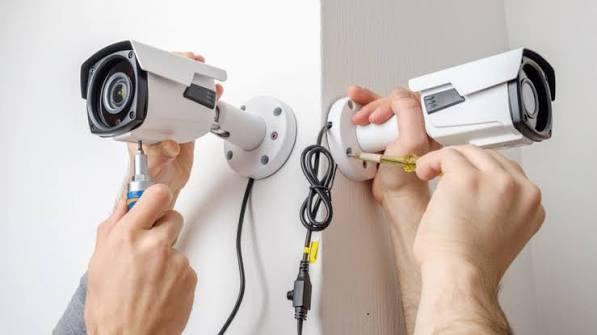
Protecting a property requires more than strong doors and traditional security measures. Homeowners and business operators need a reliable way to monitor entrances, outdoor spaces, parking areas, and important indoor locations. Professional Security camera installation Sharjah helps create a surveillance arrangement that allows property owners to observe activities, review recorded footage, and improve their overall security management.
Sharjah has a wide variety of residential, commercial, and industrial properties, each with different monitoring requirements. A family home may need cameras around its entrance and garden, while a warehouse may require wider coverage of loading areas and storage sections. Selecting appropriate equipment and planning its installation carefully can make a significant difference to surveillance performance.
Security cameras provide visual monitoring of selected areas and help property owners maintain better awareness of their surroundings. They can record daily activities, capture unexpected incidents, and provide footage that may be useful when reviewing security concerns.
For residential properties, cameras can monitor visitors, delivery personnel, driveways, and outdoor pathways. Businesses can use surveillance systems to observe customer areas, entrances, cash counters, stockrooms, and staff-only sections.
A properly designed system offers several practical advantages:
Continuous monitoring: Suitable cameras and recording equipment can help observe important areas throughout the day and night.
Remote access: Compatible systems allow authorized users to view live footage and recordings through smartphones or computers.
These features make CCTV surveillance a useful part of a wider property security arrangement.
Choosing the right camera depends on the location, viewing distance, lighting conditions, and required coverage. Different camera designs are suitable for different environments.
Bullet cameras are commonly installed outdoors to monitor gates, boundary areas, driveways, and building entrances. Their directional design makes them suitable for focusing on a particular area.
Many models include infrared night vision and weather-resistant housings. Their visible appearance can also make people aware that the property is under surveillance.
Dome cameras have a compact structure and are frequently used in offices, shops, reception areas, and covered entrances. Their design allows them to blend into different surroundings while providing a suitable viewing angle.
Some models include vandal-resistant construction, which can be useful in public or frequently accessed areas.
Turret cameras provide flexible installation options for indoor and outdoor environments. They are often selected for locations where clear images and reliable night monitoring are required.
Their adjustable lens positioning can help installers direct the camera toward entrances, pathways, and other important locations.
Pan-tilt-zoom cameras allow operators to change the camera direction and zoom level remotely. They can be useful for larger facilities, open spaces, and industrial locations that require flexible monitoring.
However, a PTZ camera should not automatically replace fixed cameras at important entrances because it cannot observe every direction simultaneously.
Selecting CCTV equipment requires more than comparing prices and camera resolution. The system should match the property's environment and monitoring objectives.
Camera resolution affects the level of detail visible in recorded footage. Common options include Full HD, 4MP, and 4K cameras. Higher resolution can provide more detail, but the result also depends on lens quality, viewing distance, lighting, and camera positioning.
For entrances and other identification areas, the camera should be installed at a suitable distance and angle to capture useful images.
Outdoor areas may have limited lighting after sunset. Infrared night vision allows compatible cameras to capture footage in dark conditions. Some advanced models also offer colour night vision using enhanced sensors and supplementary lighting.
The appropriate option depends on the amount of available light and the distance that needs to be monitored.
Outdoor surveillance equipment must be suitable for environmental conditions such as dust, humidity, heat, and rain. Homeowners and businesses should check the camera's protection rating and operating temperature range before installation.
Suitable outdoor housings, protected cable connections, and proper mounting accessories can also help improve equipment durability.
Modern surveillance systems may include motion detection and intelligent video analytics. Depending on the model, these features can identify movement or distinguish between people and vehicles.
When configured correctly, notifications can help users become aware of activity around selected locations without constantly watching live footage.
Camera placement has a direct impact on the usefulness of a surveillance system. Poor positioning may create blind spots, capture unclear images, or leave important entrances uncovered.
For residential properties, the main entrance, parking area, garden, and secondary access points may require separate monitoring positions. Businesses may need coverage for reception areas, corridors, storage rooms, cash counters, and delivery entrances.
Installers should also consider lighting direction, mounting height, cable routes, and the camera's field of view. Cameras should respect privacy and avoid unnecessarily recording neighbouring private spaces. Where applicable, the installation should follow the relevant local surveillance requirements.
Property owners can select wired or wireless surveillance systems depending on the building structure and technical requirements.
Wired systems connect cameras to recording equipment through suitable cables. Network-based IP cameras commonly use an NVR, while traditional analogue systems may use a DVR.
Power over Ethernet technology can provide power and network communication through a compatible Ethernet cable. This can simplify installation and provide a practical arrangement for properties with several cameras.
Wireless cameras communicate through supported wireless networks and may be easier to install in certain existing properties. They still require a suitable power source and reliable network coverage.
Before selecting wireless equipment, users should consider signal strength, network security, recording options, and possible communication interruptions. The permitted camera type and installation method should also be checked against the requirements applicable to the property.
A complete CCTV arrangement should include suitable recording and storage equipment. An NVR or DVR records footage from connected cameras and allows authorized users to review previous events.
Storage requirements depend on the number of cameras, video resolution, recording frame rate, and desired retention period. Continuous recording generally requires more storage than motion-based recording.
Remote monitoring is another useful feature for property owners who travel or manage several locations. Compatible applications can provide live viewing, playback, and selected notifications. Strong passwords, secure network settings, and regular software updates are important for protecting access to the system.
Correct installation helps ensure that cameras operate as expected. A professional assessment should identify important monitoring areas, suitable mounting positions, wiring requirements, and recording equipment.
After installation, each camera should be tested for image quality, night vision, recording, and network connectivity. The system should also be checked periodically to identify damaged cables, loose connections, dirty lenses, or storage problems.
Regular maintenance helps preserve image clarity and reduces the possibility of unexpected equipment failure.
Choosing a suitable security provider is an important part of planning a reliable surveillance system. Jesr Al Fasht Security Devices Fix focuses on security solutions designed around residential and commercial property requirements. A well-planned CCTV arrangement should consider camera selection, installation positions, recording equipment, and integration with other security devices where appropriate. Careful planning and professional installation help property owners establish an organized monitoring system that supports their security objectives.
A reliable surveillance system helps homeowners and businesses monitor important areas, review recorded events, and improve their understanding of activity around a property. Choosing suitable cameras, planning their positions, and selecting appropriate recording equipment are essential steps toward effective coverage. Professional Security camera installation Sharjah should be planned according to the property's layout and applicable local requirements. With proper installation and regular maintenance, CCTV technology can provide dependable support for residential and commercial security.
1. Which CCTV cameras are suitable for properties in Sharjah?
Bullet, dome, turret, and PTZ cameras are common options. The best choice depends on the installation location, lighting conditions, viewing distance, and required coverage.
2. Can I monitor my security cameras remotely?
Yes. Many modern CCTV systems support mobile applications or computer access, allowing authorized users to view live footage and recordings remotely.
3. Do outdoor security cameras need weather protection?
Yes. Outdoor cameras should have suitable protection against dust, moisture, heat, and other environmental conditions. Their specifications should match the installation location.
4. How often should a CCTV system be maintained?
Cameras, cables, recording equipment, and network connections should be inspected periodically. Cleaning lenses and checking recording performance can help maintain reliable operation.