English
 Arabic
 French
 Spanish
 Portuguese
 Deutsch
 Turkish
 Dutch
 Italiano
 Russian
 Romaian
 Portuguese (Brazil)
 Greek
Carbon-Fiber Composite Innovations and Trauma Fixation Hardware Expansion
Wellness |
2026-10-28 05:56:27
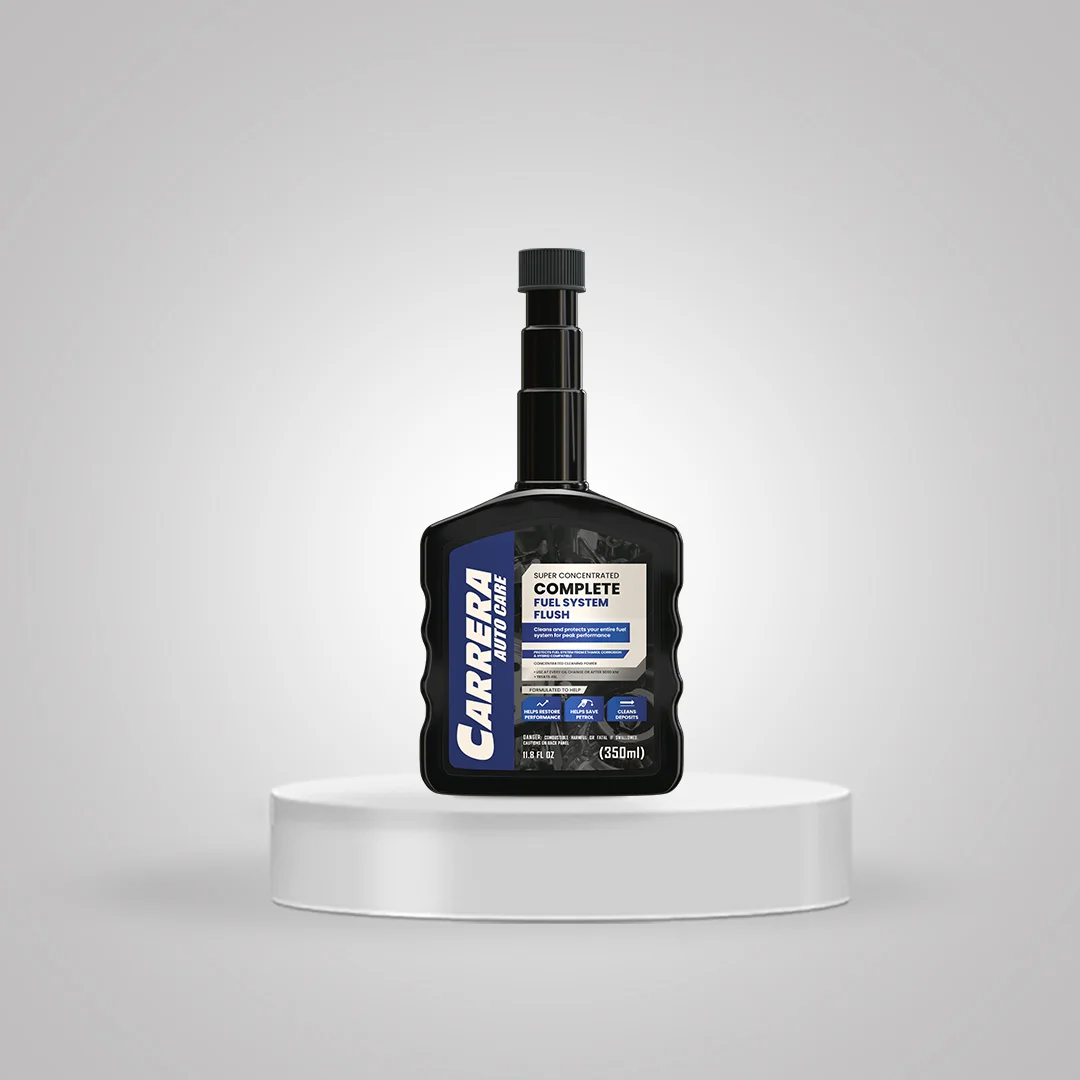
A complete fuel system flush is often promoted as a way to clean deposits and restore engine performance. The phrase can mean different things at different workshops: a fuel-tank treatment, an injector cleaning service, a pressurised on-vehicle procedure or a broader inspection and cleaning of selected components. Because fuel systems differ between petrol and diesel vehicles, drivers should ask exactly what work is included before approving a service. A flush is not automatically required at every routine maintenance visit.
A typical fuel system includes a tank, pump, filter, fuel lines, pressure-control components and injectors. Petrol and diesel systems are designed differently, and modern direct-injection systems may operate at very high pressure. The system’s job is to deliver clean fuel at the correct pressure and quantity. Contamination or component wear can affect performance, but not every symptom is caused by dirty fuel passages.
Some services involve adding a detergent to the fuel tank. Others connect a specialist machine to the fuel rail and run a cleaning solution through the injectors. Diesel services may focus on injector deposits or specific fuel-system components. A genuine comprehensive service should clearly identify what is inspected, what is cleaned, which parts are replaced if necessary and what is excluded. Ask for the procedure in writing.
A technician may investigate fuel-system cleaning when there are symptoms such as hesitation, rough idle, hard starting, reduced power or abnormal fuel trims. These symptoms can also come from ignition, air-intake, sensor, compression or exhaust problems. A diagnostic scan and relevant tests should come before a costly flush. If the fuel contains water or significant contamination, the solution may require draining, filter replacement and component inspection rather than a detergent treatment.
Cleaning without identifying the cause can waste money and delay repair. A failing pump, damaged injector, leaking line or electrical fault will not be repaired by flushing. In some cases, disturbing deposits can reveal an underlying problem or move contamination through the system if the procedure is unsuitable. Ask the workshop to explain the evidence for cleaning and the expected result.
Petrol injectors, diesel injectors, high-pressure pumps and fuel filters have different operating requirements. A product designed for one system may be unsuitable for another. Common-rail diesel systems require particular care because of their high operating pressures and precision components. Never approve a generic chemical treatment without confirmation that it is compatible with the exact engine and fuel system.
A responsible workshop should confirm the vehicle make, model, engine and fuel type; scan for fault codes where appropriate; inspect for leaks; check fuel-filter service history; and explain the proposed cleaning method. It should use equipment and chemicals approved for the system, follow pressure and connection procedures and provide a service record. If parts are replaced, request details of the part and reason.
Fuel quality, dust, traffic, high temperatures and long periods of idling can influence maintenance needs. Use reputable filling stations and follow the vehicle’s scheduled filter replacement. If a vehicle has been stored for a long time or has taken on contaminated fuel, seek professional inspection. Do not assume every vehicle used in Pakistan needs a flush at a fixed mileage; manufacturer guidance and actual condition should determine the service.
An unsuitable chemical, excessive pressure or incorrect connection can damage seals, pumps or sensitive components. A poorly performed service can create leaks or introduce air into a diesel system. Fuel is flammable, and high-pressure diesel fuel can cause serious injury. These procedures belong with trained technicians using appropriate equipment—not improvised home methods.
Ask which components will be cleaned, what product and equipment will be used, whether the procedure is approved for your engine, what diagnostic evidence supports it and whether filters or seals are included. Request the expected labour and parts cost before work begins. Be cautious of claims that a flush will certainly restore lost power or guarantee a specific fuel-economy improvement.
Use the correct fuel, replace filters at the specified interval, repair leaks promptly and investigate warning lights. Keep invoices and service records. Consider cleaning only when the vehicle maker recommends it or testing indicates a need. Preventive maintenance is usually more cost-effective than repeating broad treatments without evidence.
Where a workshop claims that a flush is needed, ask what test supports the recommendation. Depending on the symptom, useful evidence may include diagnostic codes, fuel-pressure readings, injector balance results or inspection findings. After service, request the work order and ask whether the original symptom was verified as resolved.
Some manufacturers restrict aftermarket additives or prescribe specific service products. Using an unapproved chemical or procedure may complicate warranty claims. Check the maintenance booklet or ask an authorised service centre before approving a flush on a newer vehicle.
A fuel filter physically captures contaminants and has a specified service interval. A chemical flush is intended to clean certain deposits, while draining contaminated fuel removes unwanted liquid or debris from the tank. These are different operations. Ask the workshop which one is actually required and whether the filter should be replaced as part of the repair.
Common-rail diesel systems operate at extremely high pressure and use precision-machined components. Never loosen high-pressure lines while the engine is running or attempt a home cleaning procedure. A leak can penetrate skin and cause a medical emergency. Use a qualified diesel specialist who follows the manufacturer’s depressurisation, cleanliness and test procedures.
If a vehicle repeatedly develops fuel-system problems, the source of contamination needs to be identified. Possible causes include water in fuel, a damaged tank seal, poor storage or debris introduced during repairs. Repeating a flush without correcting the source is unlikely to provide a lasting solution. Ask the technician to inspect the tank and related components where appropriate.
Request an itemised estimate showing diagnostic labour, cleaning procedure, chemicals, filters, seals and any additional parts. Ask whether the price changes if testing finds a failed component. A clear estimate protects both the owner and workshop from misunderstandings and makes it easier to compare services on the actual work included.
If water, wrong fuel or substantial debris has entered the tank, a detergent flush may not be the right response. The system may need to be drained, cleaned and inspected, with filters or damaged components replaced. Starting the engine can circulate contamination further through the pump and injectors. If wrong fuel has been added, do not start the vehicle; contact a qualified recovery or workshop service for advice.
Once cleaning is complete, ask the technician to confirm that the original complaint has been checked again. Depending on the issue, this may involve a road test, fuel-pressure measurement, scan-tool data or an idle-quality check. Ask for any replaced filters or parts to be listed on the invoice. If the symptom remains, request further diagnosis rather than repeating the same flush.
No. Follow the vehicle maker’s maintenance schedule and use diagnostic evidence to decide whether cleaning is needed.
Not always. Workshops use the term differently, so ask for a written list of components and procedures.
Only if a fuel-system deposit or restriction is contributing. Tyres, driving conditions, sensors and engine condition also affect mileage.
No. The procedure and chemicals must be designed for the specific fuel and injection system.
Complex flushing should be handled by a qualified technician because of fire, pressure and component-damage risks.
Complete Fuel System Flush can be a useful part of responsible vehicle care when the product is selected for the correct purpose and used exactly as directed. For drivers in Pakistan, the best results come from combining suitable products with regular inspections, correct maintenance and attention to the vehicle manufacturer’s instructions. Carrera encourages owners to choose clearly labelled car-care products, avoid shortcuts that could affect safety and consult a qualified technician whenever a problem involves brakes, fuel delivery, emissions equipment or damaged tyres. A clean, well-maintained vehicle is not achieved by one treatment alone; it comes from consistent care and informed decisions.