English
 Arabic
 French
 Spanish
 Portuguese
 Deutsch
 Turkish
 Dutch
 Italiano
 Russian
 Romaian
 Portuguese (Brazil)
 Greek
Beta Adrenoceptor Agonists Market: Inhaled Bronchodilators and Selective Beta-2 Therapeutics Driving Growth
Wellness |
2026-11-02 10:01:05
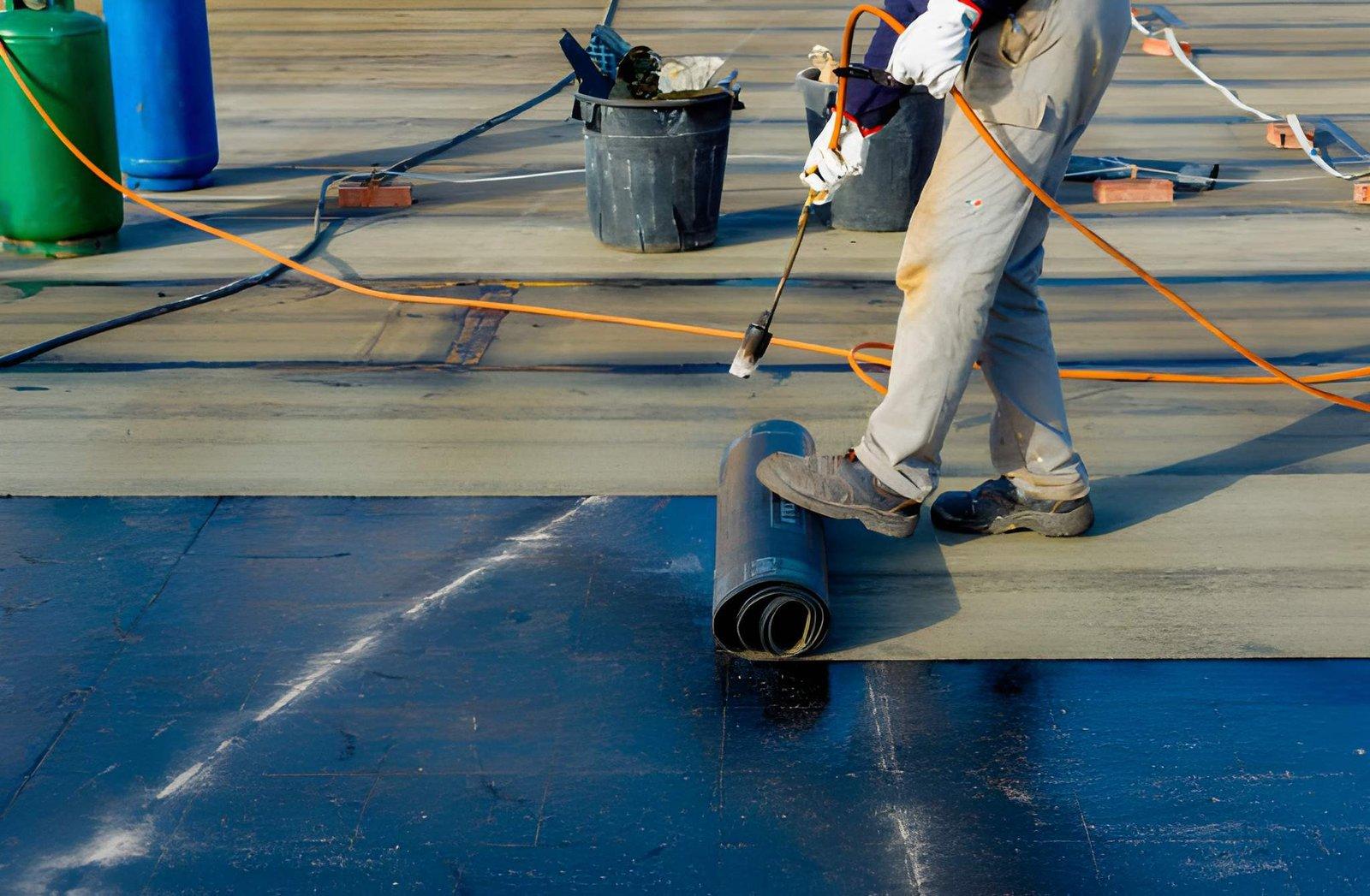
Seepage stains on the ceiling, peeling paint, damp smells, and rooms that feel like ovens by afternoon are some of the most common complaints in Pakistani homes. Most owners treat them as separate problems and fix them with fresh paint or a bigger air conditioner. In reality, many of these issues trace back to two missing basics: proper waterproofing and roof insulation.
Done at the right time, both are inexpensive compared with the damage and electricity bills they prevent. Here is what you should know.
The roof takes the full force of the sun, rain, dust, and temperature swings. During the day, the slab absorbs heat and releases it into the rooms below. During monsoon, water collects on the surface and finds any crack or weak joint. Over the years, expansion and contraction open small cracks, and those cracks become leaks.
Waterproofing stops water from entering the structure. It protects roofs, bathrooms, basements, water tanks, and external walls.
Insulation slows the transfer of heat. It keeps the interior cooler in summer and helps retain warmth in winter.
They solve different problems, but they are best planned together, because the layers on a roof must work in the right order.
Roof slabs: the most exposed surface of the building
Bathrooms and kitchens: constant moisture and pipe connections
Basements and foundations: contact with groundwater and damp soil
Water tanks: both overhead and underground
External walls and balconies: rain exposure and weak joints
Terraces and parapet junctions: common leakage points
Bituminous membranes: sheets or coatings applied on the roof surface
Cementitious coatings: mixed and brushed on, often used in bathrooms and tanks
Liquid-applied membranes: flexible coatings that handle small movements
Crystalline treatments: used in basements and water-retaining structures
Chemical injection and sealants: used for repairing existing leaks and joints
The right choice depends on the surface, the exposure, and the budget. A good contractor explains why a particular method suits each area instead of using one solution everywhere.
Insulation works as a barrier between the hot slab and the rooms below. Popular options include:
Thermal insulation boards or foam layers placed under screed or tiles
Heat-reflective coatings that bounce back sunlight
Lightweight insulating concrete used in the roof build-up
Reflective roof tiles or finishes that stay cooler under the sun
False ceilings with insulation for additional protection indoors
Many owners notice more comfortable rooms and lower cooling costs after insulating the roof, especially on the top floor.
A typical roof build-up includes the structural slab, a slope layer for drainage, a waterproofing membrane, insulation, and a protective finish such as screed or tiles. Getting the order wrong can trap moisture or damage the membrane. Ask your contractor to explain the layers in writing before work begins.
Even the best membrane struggles if water stands on it. A roof should have a gentle slope toward drainage points, with outlets sized for heavy rain. Check that:
Drain pipes are not blocked or too small
Parapet junctions are sealed properly
Water does not collect in corners
Overflow points exist in case of blockage
Poor drainage is one of the most common reasons for repeated leakage.
Bathrooms need careful work because water is present daily. A proper process includes cleaning the surface, sealing corners and pipe openings, applying the waterproof coating on the floor and lower walls, and testing it by filling the area with water for a day or two before tiling. Skipping the water test is a frequent mistake, since leaks discovered after tiling mean breaking everything again.
Damp patches or stains on ceilings and walls
Peeling paint and bubbling plaster
White salt deposits on walls
Musty smell in closed rooms
Cracks on the roof surface
Unusually hot top-floor rooms
Rising electricity bills in summer
Treating the cause early costs far less than repairing the structure later.
Yes. Existing roofs can be cleaned, repaired, treated with a membrane, and covered with insulation and a protective layer. Bathrooms can be re-waterproofed, though this usually involves removing old tiles. An inspection by an experienced contractor will show which areas need full treatment and which only need repair.
It is far cheaper and cleaner to install waterproofing and insulation during construction than to fix problems after finishing. Slopes, drains, and roof layers can be built correctly from the start, and pipes and tanks can be sealed before they are hidden behind walls.
Companies such as HBC Pakistan provide architecture, construction, interior design, project management, and landscaping together, which allows these technical details to be planned into the design instead of being treated as an afterthought.
Covering damp walls with paint instead of fixing the cause
Skipping the water test before tiling bathrooms
Using one product for every surface
Ignoring roof slope and drainage
Choosing the cheapest material without checking quality
Applying treatment over dirty or cracked surfaces
Having no written warranty for the work
Which method and materials will you use for each area, and why?
Will you conduct a water test after application?
How long is the warranty, and what does it cover?
How do you prepare the surface before applying treatment?
Can I see previous projects or client references?
Even the best treatment needs basic care. Clean roof drains before monsoon, remove debris and standing water, check for new cracks after extreme weather, and repair small damage promptly. A quick inspection once a year can extend the life of the system by many years.
Waterproofing and roof insulation are not glamorous, but they protect everything else you spend money on: the paint, the flooring, the furniture, and the structure itself. By choosing suitable materials, insisting on proper layers and drainage, and asking for written warranties, you can enjoy a drier, cooler, and healthier home for years to come.