English
 Arabic
 French
 Spanish
 Portuguese
 Deutsch
 Turkish
 Dutch
 Italiano
 Russian
 Romaian
 Portuguese (Brazil)
 Greek
Advanced Industrial Display System Market Solution Powers Smart Factory Operations
Networking |
2026-11-13 05:21:44
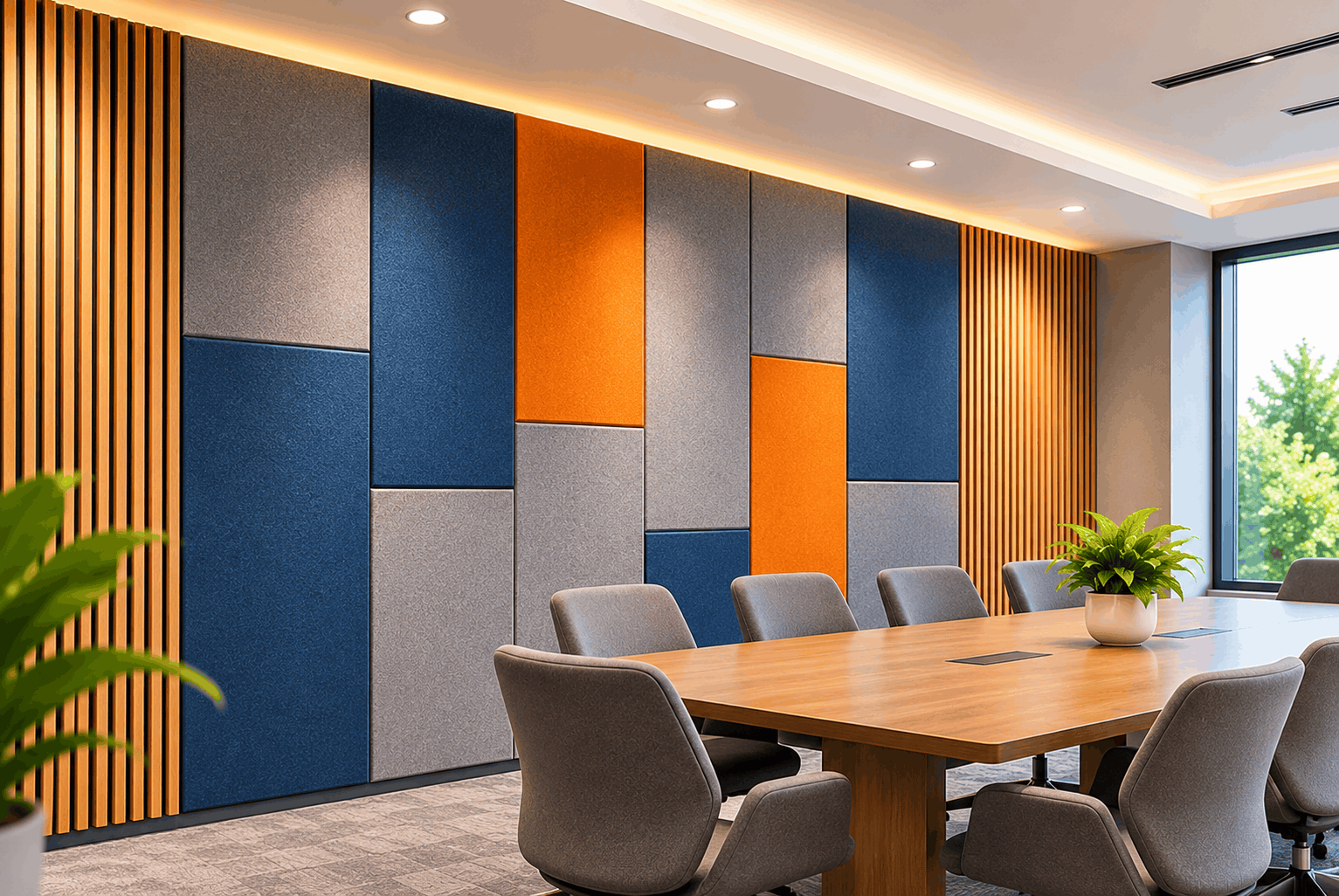
Glass partitions, polished floors, and exposed concrete give commercial interiors a sharp look, but they also reflect sound until offices, restaurants, and training rooms feel loud and tiring. Acoustic wall panels from PackSound absorb that reflected sound, so conversations stay clear and rooms feel calmer without compromising the design.
How the Panels Absorb Sound
Each panel has a porous core, such as polyester fibre, glass wool, or mineral wool, covered by an acoustically transparent fabric or wood-finish facing. Sound waves pass into the core, where friction converts their energy into a tiny amount of heat. Less sound returns to the room, which reduces echo and shortens reverberation time.
Where Commercial Spaces Use Them
Reading the Performance Ratings
Absorption is rated by the Noise Reduction Coefficient (NRC), where values closer to 1.0 indicate stronger performance. Thickness also matters, because thicker panels generally handle lower frequencies better. In commercial projects, fire certification is just as important, so check it before you specify.
Business Benefits
Controlled acoustics reduce stress, ease listening fatigue, and help teams stay focused for longer. In hospitality settings, quieter rooms make conversation easier and improve the guest experience. Panels also serve as design features, with many colours, textures, and printed graphics that can carry brand identity. Most are lightweight, simple to install, and available with fire-retardant treatment.
Placement and Coverage
Where panels go matters as much as which panels you choose. Start with first reflection points on side walls and large flat surfaces that face noise sources. Covering roughly 15 to 25 percent of wall area often brings a noticeable improvement, though larger or louder rooms may need more. Pairing wall panels with ceiling treatments usually delivers the best results.
What to Check Before Buying
Compare NRC ratings, thickness, core density, and fire certification. Review fabric options, edge details, and mounting methods such as Z-clips, adhesive, or hanging kits. Request samples so you can judge colour and texture under your actual lighting.
Keep in mind that panels improve sound quality inside a room but do not stop noise passing through walls. Where privacy is needed, combine them with insulated partitions and sound-rated doors.
Final Thoughts
Good acoustics should not come at the cost of good design. For commercial spaces that need to look refined and sound comfortable, choosing quality acoustic wall panels is a practical, long-lasting upgrade that pays off every day.
Note: Your link label said "Acoustic Design," but the URL is the wall panels page, so I used "acoustic wall panels" as the anchor text. If you want "Acoustic Design" as the anchor instead, tell me and I'll swap it.