English
 Arabic
 French
 Spanish
 Portuguese
 Deutsch
 Turkish
 Dutch
 Italiano
 Russian
 Romaian
 Portuguese (Brazil)
 Greek
Smart Printers Price in Lahore: Find the Right Printing Solution for Modern Workplaces
Other |
2026-11-03 11:45:19
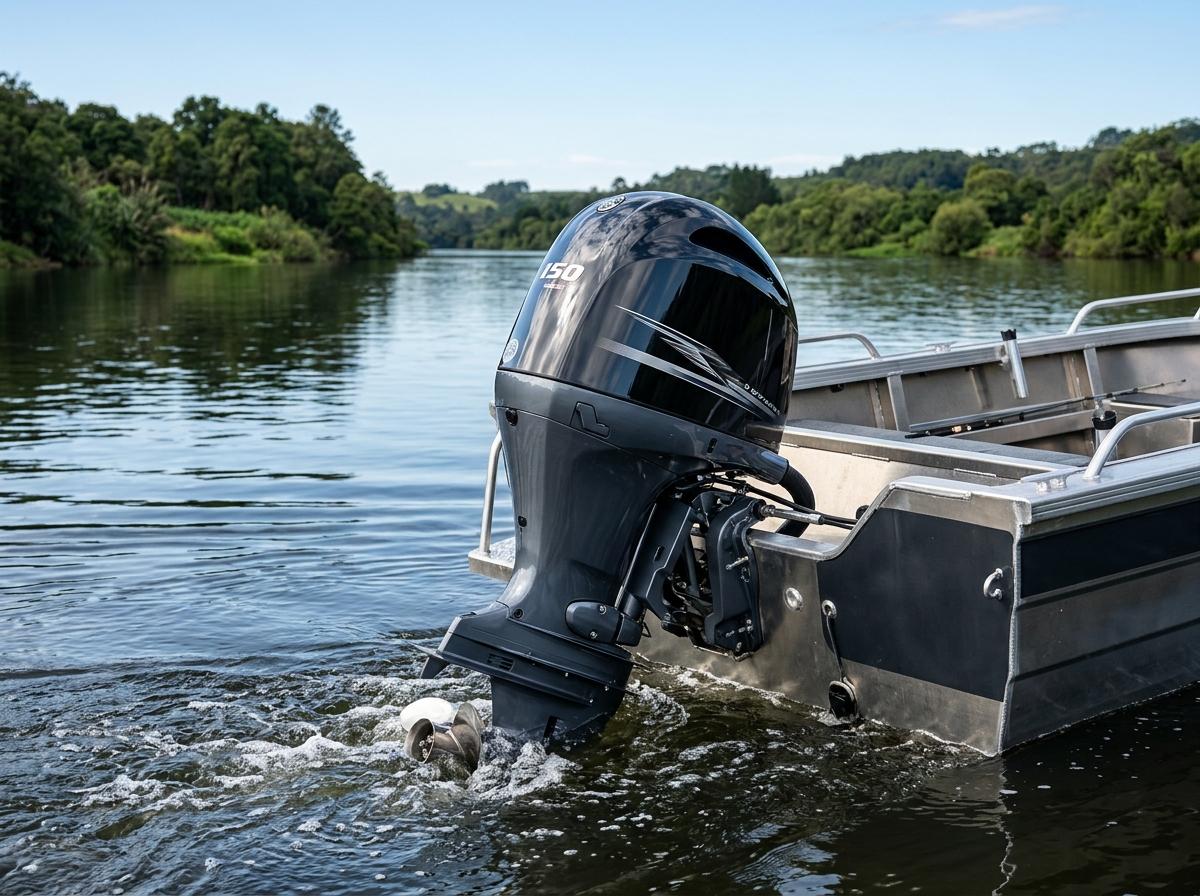
Safety equipment is an essential part of every boat, and an outboard motor's emergency stop system is one of the most important features for preventing accidents. Also known as a kill switch, this system is designed to stop the engine when the operator moves away from the control position or becomes separated from the boat.
Although it is a relatively simple mechanism, the emergency stop system must work correctly whenever it is needed. A damaged safety lanyard, faulty switch, or loose electrical connection could prevent the engine from shutting down as intended.
Understanding how this system works and checking it regularly can help boat owners maintain safer operating conditions.
An emergency stop system is designed to shut down an outboard motor when a safety condition is triggered. Traditional systems commonly use a removable stop-switch clip connected to a lanyard.
One end attaches to the engine's emergency stop switch, while the other connects to the operator.
If the operator moves away from the control position, the lanyard pulls the clip from the switch. This activates the stopping mechanism and shuts down the engine.
Many modern outboards also use electronic emergency stop systems. Depending on the manufacturer, these may include wireless safety devices or other integrated controls.
The main purpose remains the same: to reduce the risk of an unattended boat continuing under power after the operator falls overboard or loses control.
A moving boat can become dangerous when its operator is suddenly separated from the controls.
Without an effective emergency stop system, the vessel may continue travelling without anyone steering it. In certain circumstances, it could move in circles or create a serious collision risk.
A functioning emergency stop system offers several safety benefits:
Reduces runaway-boat risks: It can stop the engine when the operator becomes separated from the control station.
Improves operator safety: It helps reduce the danger associated with unexpected falls or loss of balance.
Supports safer manoeuvring: It provides an additional layer of protection during normal boating activities.
Encourages responsible operation: Regular use reinforces good safety habits before every trip.
An emergency stop system does not replace safe boating practices, appropriate life jackets, or other required safety equipment.
Knowing the basic parts of the system makes inspection and maintenance easier.
The switch is installed near the engine controls or on the outboard motor, depending on the configuration.
It is designed to respond when the safety clip is removed. Over time, exposure to moisture, salt, dirt, and repeated use may affect its condition.
The lanyard connects the operator to the emergency stop switch. It is commonly made from flexible, durable material designed for marine conditions.
The lanyard should be long enough to allow normal movement but arranged so it can activate the switch if the operator becomes separated from the controls.
The clip fits into the emergency stop switch and holds the system in its normal operating position.
It must be compatible with the specific switch design. A damaged, bent, or incorrect clip may not remain securely attached.
The switch connects to the engine's ignition or electronic control system.
Depending on the motor design, removing the clip interrupts the ignition or sends a shutdown signal to the engine management system.
Electrical connections should remain clean, secure, and protected from moisture.
Regular inspection helps identify problems before the boat is taken onto the water.
Examine the entire lanyard for cuts, cracks, stretching, weakened sections, or damaged attachment points.
A worn lanyard may break or fail to activate the switch correctly.
Replace damaged lanyards with manufacturer-compatible components rather than relying on temporary repairs.
Check that the clip is not bent, cracked, or excessively worn.
It should fit correctly into the emergency stop switch and remain secure during normal operation.
If the clip appears loose or does not engage properly, investigate the problem before using the motor.
Look for visible cracks, corrosion, loose fittings, or signs of water entering the switch housing.
Salt deposits and dirt should be removed using suitable cleaning methods recommended by the manufacturer.
Avoid spraying aggressive cleaners directly into the switch.
If the system uses exposed or accessible electrical connections, inspect them for corrosion, damaged insulation, or loose fittings.
Electrical troubleshooting should follow the manufacturer's service instructions. If the switch does not respond correctly, consult a qualified marine technician.
An emergency stop system should be tested periodically according to the manufacturer's instructions.
The correct procedure varies between outboard models, so consult the owner's manual before performing a test.
Some systems allow testing with the engine switched off, while others have specific procedures for checking shutdown operation.
Never run an engine in an enclosed area or operate it without the required cooling-water supply. If a running test is necessary, follow the manufacturer's safety precautions and use an appropriate environment.
After testing, confirm that the clip and lanyard are correctly reinstalled before normal operation.
If the engine fails to stop as expected, do not rely on the system until the fault has been identified and repaired.
Several issues can affect the reliability of an emergency stop system.
Damaged lanyard: Repeated pulling, exposure to sunlight, and general wear can weaken the material.
Corroded switch contacts: Moisture and salt exposure may interfere with electrical operation.
Incorrect safety clip: A clip that does not match the switch may fail to engage correctly.
Loose electrical connections: Damaged wiring or poor connections can interrupt the shutdown signal.
Faulty switch mechanism: Internal wear or contamination may prevent the switch from responding properly.
If the engine stops unexpectedly during operation, the emergency stop circuit may be one of several possible causes. Have the system inspected rather than bypassing it.
Correct use is just as important as regular maintenance.
Attach the lanyard to the designated connection point on your clothing or personal flotation device, following the manufacturer's instructions. Avoid attaching it to an object that could prevent it from disconnecting correctly during an emergency.
Before starting the engine, confirm that the lanyard is properly connected and the safety clip is securely installed.
Do not operate the boat with a missing or bypassed emergency stop system. If the lanyard is damaged or unavailable, replace it before using the vessel.
Passengers should also understand the purpose of the system and know where the emergency stop switch is located.
Safety features should be part of the purchasing decision, not something considered only after installation.
When comparing outboard motors for sale, examine the emergency stop arrangement, control-system compatibility, and availability of replacement safety components.
Buyers researching new outboard engines should review the manufacturer's safety instructions and understand whether the engine supports additional electronic safety features.
If considering a used outboard, inspect the emergency stop switch, lanyard, clip, and associated wiring. Confirm that the system works correctly and that any replacement parts are suitable for the engine.
An outboard motor's emergency stop system is a small but essential safety feature that can help prevent dangerous situations when an operator becomes separated from the boat's controls.
Regularly inspecting the lanyard, clip, switch, and electrical connections helps maintain its reliability. Boat owners should also test the system according to manufacturer instructions and replace damaged components without delay.
By making emergency stop checks part of the normal pre-departure routine, operators can improve safety and enjoy greater confidence on the water.