English
 Arabic
 French
 Spanish
 Portuguese
 Deutsch
 Turkish
 Dutch
 Italiano
 Russian
 Romaian
 Portuguese (Brazil)
 Greek
CommeDesGarcons A Modern Icon of Fashion and Individuality
Other |
2026-11-04 09:42:31
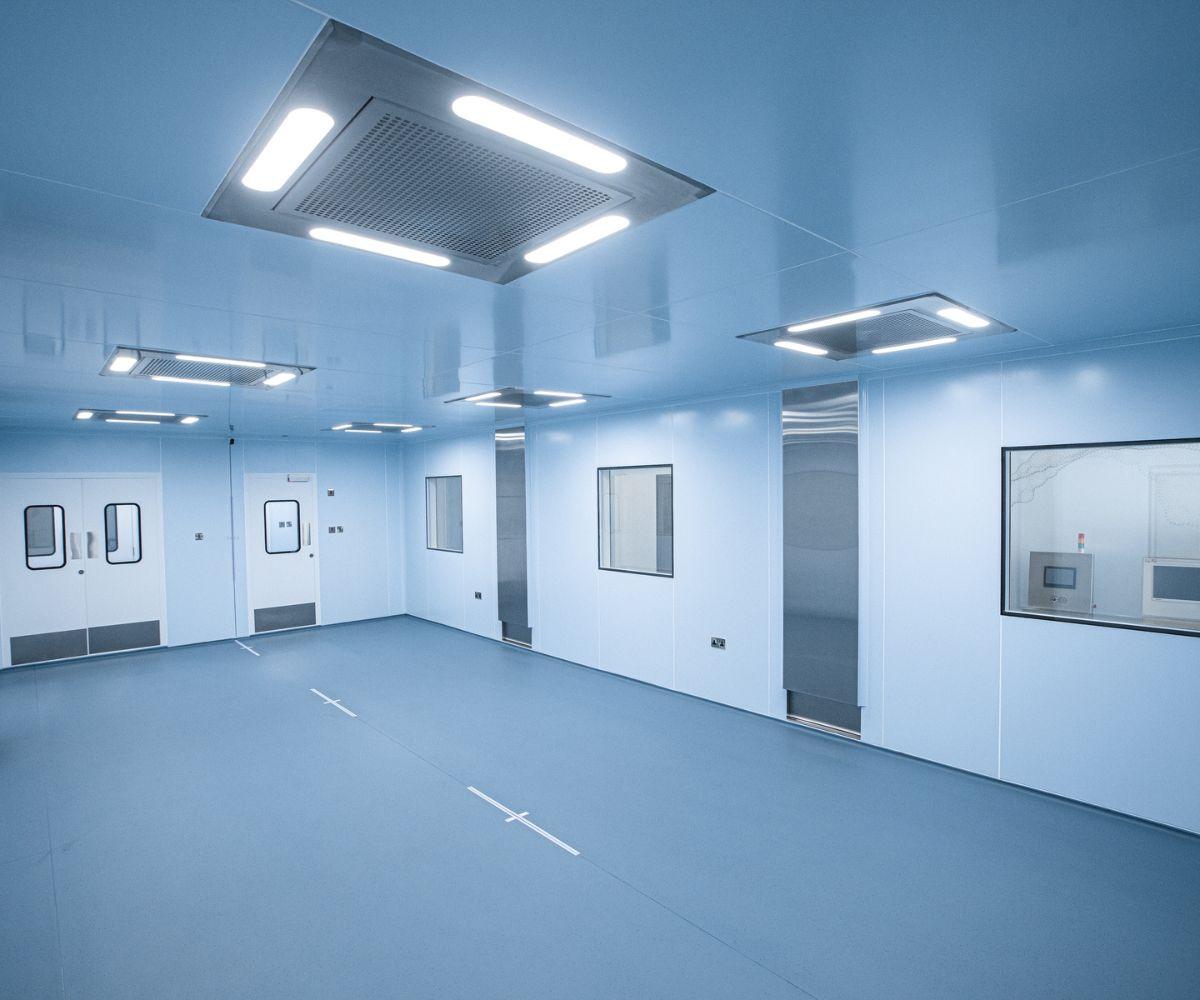
Most cleanroom projects in Qatar don’t go wrong on inspection day. They go wrong months earlier, in a meeting where someone decides it will be cheaper to hire one firm for the design, another for the HVAC, a third for the wall panels, and a validation company at the very end to tidy everything up.
On paper, that split looks sensible. In practice, it leaves nobody responsible for the only thing that really matters: a room that holds its ISO class and passes a GMP audit. When particle counts come back high, each firm blames the next, and the client pays for the argument.
That gap is the main reason more pharmaceutical, healthcare and research organisations are choosing a turnkey cleanroom contractor in Qatar. One team, one contract, one set of people accountable from the first drawing to the final qualification report.
Qatar’s ambition to make more of its own medicines has moved well beyond policy statements. The Ministry of Public Health, through its Pharmacy and Drug Control Department, oversees local pharmaceutical manufacturing, and in 2025 officials confirmed that the country had three operational local pharmaceutical factories. Since then, the Qatar Free Zones Authority has signed agreements with biologics specialists, including BIOCAD and WuXi Biologics, and in June 2026 the Minister of Commerce and Industry toured pharmaceutical plants in the SMEs Industrial Area.
Sterile filling lines, compounding pharmacies, IVF laboratories and research centres all need controlled environments. Qatar is not the easiest place to build one.
The word gets used loosely, so it’s worth pinning down. A genuine turnkey cleanroom contractor should take responsibility for:
If a contractor calls itself turnkey but sends the validation work to a subcontractor you’ve never met, ask more questions. Validation is where design mistakes surface, and the firm that made them should be the one fixing them.
Cleanroom design guides are often written with European or North American conditions in mind. Qatar is different. Summer temperatures regularly reach the mid-40s, coastal humidity can be punishing, and the shamal winds carry fine dust that will find any weak point in a building.
That changes the engineering. Fresh air has to be cooled and dehumidified hard before it reaches the filters, which means air handling units sized for peak summer load, not an annual average. Pre-filtration needs to be generous, because dust that reaches the HEPA stage shortens filter life and raises running costs. The building envelope must be sealed properly; otherwise, pressure differentials become difficult to hold on a windy day.
Energy matters too. In a hot, humid climate, conditioning outside air is usually a cleanroom’s highest running cost, so a good contractor will discuss air change rates, recirculation and heat recovery early rather than leaving you with the bill.
A competent contractor designs to the standard your inspector will use, not the one that is easiest to build. Depending on your product, that typically means:
If you plan to supply other GCC markets, design for their expectations now. Upgrading a live facility later costs far more.
Modular cleanroom systems, built from prefabricated panels, install faster, create less site dust and can be expanded as production grows. Conventional construction still has a place, particularly for large, permanent facilities with heavy structural or process demands.
The right answer depends on your process, your timeline and how certain you are about future capacity. Be wary of any contractor who recommends the same system for every project.
Read Also: People In The USA Are Switching To IPTV And Here Is Why
Before you commit, put these to every shortlisted contractor:
Vague answers to any of these tell you something important.
A cleanroom that fails qualification can hold up licensing and force expensive rework inside a finished building. Fixing an undersized air handling unit after the ceiling is closed is a very different job from getting it right on paper.
A cleanroom is really a process wrapped in a building. The contractor you choose should understand both, and should still be answering the phone when your first audit finding lands. That single line of accountability is worth more than any savings from splitting the job.