English
 Arabic
 French
 Spanish
 Portuguese
 Deutsch
 Turkish
 Dutch
 Italiano
 Russian
 Romaian
 Portuguese (Brazil)
 Greek
Maintaining Isolation: How Insulated Rail Joints IRJ Maintenance Ensures Signal Reliability
Other |
2026-09-21 08:50:30
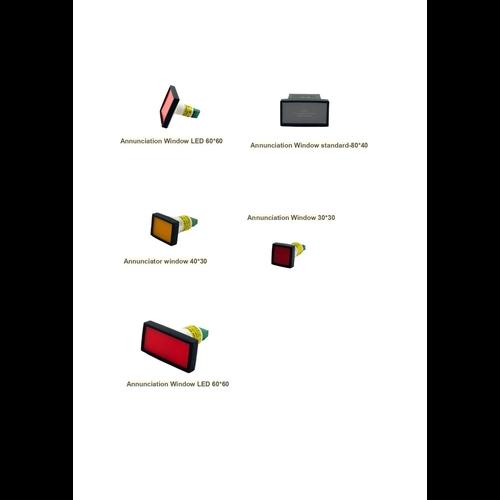
Industrial facilities depend on continuous monitoring to keep electrical systems, machinery, and production processes operating smoothly. Operators need to know when equipment is functioning normally and when an abnormal condition requires attention. In many control rooms and electrical installations, visual alarm indication plays an important role in communicating this information. An Annunciation Window is one of the components used for this purpose.
Installed as part of an annunciator panel or alarm monitoring arrangement, an annunciation window provides a visual indication of selected system conditions. It helps operators identify alarms, recognise equipment abnormalities, and understand which monitored point requires inspection. Its organised display makes it easier to monitor several signals from a central location.
An annunciation window is a visual display element used in electrical and industrial alarm systems. It is generally designed to illuminate when a connected alarm input or monitoring circuit becomes active. The window may carry a label, such as a machine name, equipment number, or fault description, allowing personnel to identify the source of the indication.
Multiple windows can be arranged in an annunciator panel to represent different monitored conditions. For example, a panel may have separate indications for motor failure, high temperature, low pressure, power supply failure, or other process-related alarms.
The exact display method, colour, dimensions, and operating arrangement depend on the annunciator design and application requirements.
An annunciation system receives signals from connected equipment, sensors, relays, or control circuits. When a monitored condition meets the configured alarm criteria, the corresponding input activates the associated visual indication.
A typical sequence may include:
A sensor or electrical circuit detects an abnormal condition.
The monitoring or control system receives the signal.
The annunciator identifies the corresponding input.
The relevant window illuminates to display the alarm.
The operator checks the displayed label and follows the required response procedure.
Some systems also include audible alarms, acknowledgement buttons, and reset functions. These features depend on the overall annunciator design rather than the window alone.
Industrial control rooms may monitor several machines and electrical circuits at the same time. Without a clearly organised indication system, operators may find it difficult to identify which equipment requires attention.
An annunciation window helps address this challenge by presenting alarm information in a visible and organised format.
Clearly labelled windows help operators locate the affected machine, circuit, or process point without checking every connected device individually.
Multiple alarm conditions can be displayed on one panel, allowing personnel to observe several important operating points from a central position.
Illuminated indications make abnormal conditions easier to notice, especially when the display is positioned within the operator's normal field of view.
Separate windows can be assigned to different equipment or process conditions. This makes the alarm arrangement easier to understand and maintain.
Annunciation windows are used in a variety of installations where multiple alarm conditions need to be displayed.
Electrical control panels: They can indicate selected electrical faults, supply abnormalities, and equipment status conditions.
Power distribution systems: They may be used to display alarms related to breakers, transformers, feeders, and other monitored electrical equipment.
Industrial manufacturing plants: Production machinery can be monitored through dedicated alarm indications for different operating conditions.
Process industries: Plants handling temperature, pressure, flow, or level monitoring may use annunciator displays to communicate abnormal process conditions.
Utility and infrastructure facilities: Monitoring arrangements in water treatment, power generation, and other utility installations can use visual alarm windows to support control-room operations.
Choosing an appropriate window requires attention to the complete annunciator system and its installation environment.
The window should be large enough for its label and illuminated indication to be recognised from the normal operating position.
Alarm colours should follow the site's established signalling conventions and applicable standards. Consistent colour assignment helps prevent confusion between different alarm categories.
Check the operating voltage, input arrangement, and electrical characteristics of the annunciator system. The window or display module must be compatible with the intended circuit.
Labels should be concise, readable, and consistent with the plant's equipment identification system. Unclear descriptions can delay the identification of an alarm source.
Consider the available panel space, cut-out dimensions, viewing angle, and accessibility of the complete annunciator assembly.
Temperature, dust, humidity, vibration, and other site conditions may influence the choice of display components. Review the manufacturer's specifications before installation.
An annunciator display should be installed according to the manufacturer's instructions and the approved electrical design. Before installation, verify the wiring diagram, terminal connections, supply requirements, and panel dimensions.
Labels should be checked against the alarm schedule to ensure that every window represents the correct input. Once the system is installed, functional testing can confirm that each alarm signal activates the intended indication.
Routine maintenance should include checking illumination, inspecting connections, cleaning the display surface using an appropriate method, and confirming that acknowledgement and reset functions work as designed. Electrical work should be carried out by qualified personnel after following the required isolation procedures.
An annunciation window is an important visual element in many industrial alarm monitoring arrangements. By presenting clearly identified indications for different equipment and process conditions, it helps operators understand where attention may be required.
A well-planned annunciator display combines readable labels, suitable illumination, logical panel arrangement, and compatible electrical connections. These considerations help create a more organised approach to alarm monitoring in industrial control panels.