English
 Arabic
 French
 Spanish
 Portuguese
 Deutsch
 Turkish
 Dutch
Dutch
 Italiano
 Russian
 Romaian
 Portuguese (Brazil)
 Greek
Greek
Semiconductor Process Equipment Market Research Highlighting Enterprise Penetration and Smart Platform Performance
Networking |
2026-10-08 01:59:24
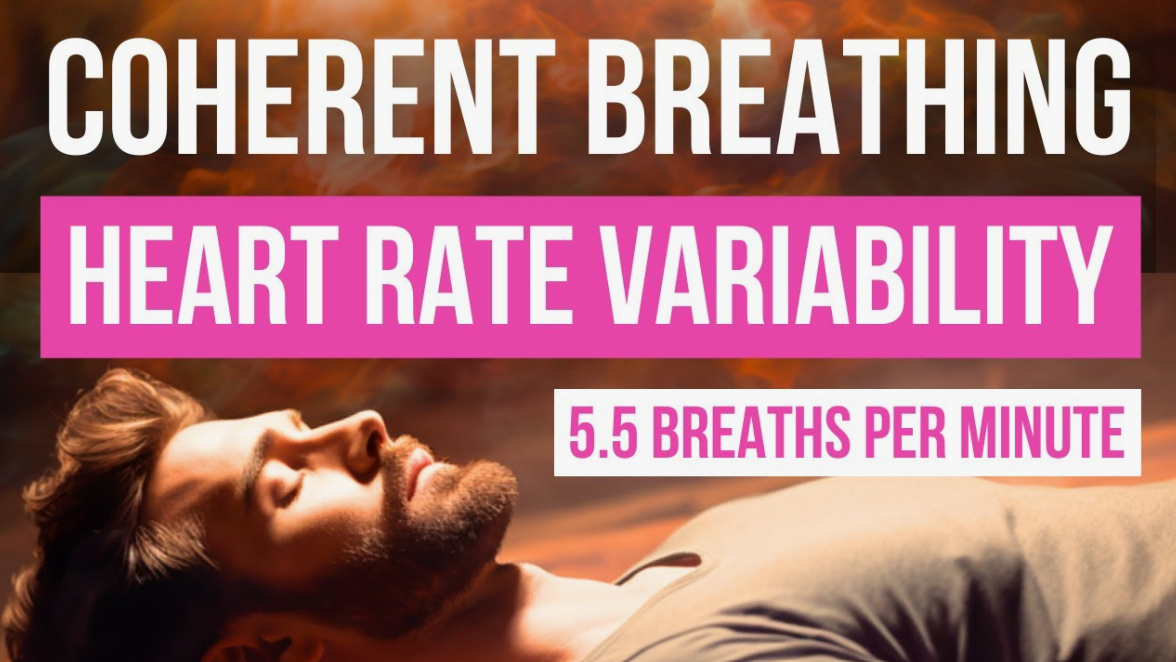
Breathing is something we do every moment of the day, but the way we breathe can influence how we feel, think, and respond to everyday challenges. When breathing becomes rushed or shallow, it can be harder to feel calm and focused. On the other hand, slow and steady breathing can help create a sense of balance and give the mind a chance to settle.
One simple approach is coherent breathing. This breathing method focuses on creating a slow, regular rhythm between inhaling and exhaling. Along with its calming qualities, coherent breathing may be useful as part of a daily routine for relaxation, concentration, and mental clarity.
There are also several breathing exercises for focus that can be practiced during work, study, reading, or other activities that require attention.
What Is Coherent Breathing?
Coherent breathing is a simple breathing technique that involves slowing the breath to a comfortable, consistent pace. A common approach is to breathe in for about five seconds and breathe out for about five seconds, creating roughly five to six breaths per minute.
The goal is not to force the breath or take unusually deep breaths. Instead, the emphasis is on maintaining an easy and smooth rhythm.
You can practice coherent breathing while sitting comfortably, standing, or lying down. Keeping the shoulders relaxed and allowing the breath to move naturally can make the exercise more comfortable.
One of the main reasons people practice coherent breathing is its potential to support relaxation. Slow, rhythmic breathing can encourage the body to move away from a rushed breathing pattern and toward a calmer state.
1. Encourages Relaxation
Slow breathing can be a useful way to create a short pause during a busy day. Spending several minutes focusing on a steady breathing rhythm may help you feel more settled.
This can be particularly useful after a stressful meeting, before studying, or when transitioning from work to a quieter activity.
2. Supports Calm Attention
Coherent breathing gives the mind something simple to focus on: the rhythm of the breath. Counting the inhalation and exhalation can reduce distractions and provide an easy starting point for returning attention to the present moment.
3. May Support Heart Rate Regulation
Slow breathing is associated with changes in heart rate patterns and the activity of the autonomic nervous system. Regular practice may support healthy relaxation responses, although breathing exercises should not be considered a replacement for medical treatment.
4. Can Become a Simple Daily Habit
Another benefit is that coherent breathing requires no special equipment. A few minutes can be practiced almost anywhere. Building a consistent routine may make it easier to use the technique when you need a moment of calm.
Breathing Exercises for Focus
Relaxation is not the only reason to practice controlled breathing. Certain breathing exercises for focus can be useful when your mind feels scattered or when you need to prepare for a mentally demanding task.
1. Counted Breathing
Sit comfortably and breathe naturally for a few moments. Then begin counting your breaths.
Try inhaling slowly while counting to four and exhaling while counting to four. Continue for two to five minutes.
The counting gives your mind a simple task, which can help bring your attention away from unrelated thoughts.
2. Coherent Breathing
Coherent breathing can also be used as a focus exercise. Try inhaling gently for approximately five seconds and exhaling for approximately five seconds.
Continue for several minutes without forcing the breath.
If five seconds feels uncomfortable, use a shorter, comfortable rhythm. The purpose is to establish consistency rather than achieve a particular number.
3. Box Breathing
Box breathing uses four equal stages: inhale, hold, exhale, and hold.
For example, you might inhale for four counts, hold for four, exhale for four, and hold again for four. Repeat the pattern for several rounds.
Some people find the structured pattern helpful before a task that requires concentration. If breath-holding feels uncomfortable, skip it and use gentle continuous breathing instead.
4. Longer Exhalation
Another simple option is to make the exhalation slightly longer than the inhalation. For example, inhale for four counts and exhale for six.
Practice for a few minutes while keeping the breath comfortable and relaxed.
This approach can be useful when you feel restless and want to settle before returning to work or study.
5. One-Minute Breathing Reset
You do not always need a long breathing session. A one-minute reset can be enough to create a transition between activities.
Put your phone aside, relax your shoulders, and take several slow, comfortable breaths. Pay attention to the movement of the air and the feeling of each inhalation and exhalation.
After one minute, return to your task and begin with one small step.
How to Use Breathing Exercises During Work or Study
Breathing exercises can easily become part of a daily focus routine. Instead of waiting until you feel overwhelmed, consider using them at natural transition points.
For example, you could practice two minutes of slow breathing before opening your computer in the morning. During a study session, take a short breathing break between chapters or tasks.
If you notice yourself checking your phone repeatedly, pause for several breaths before deciding what to do next. This creates a small gap between distraction and action.
Breathing can also be combined with other focus habits. Keeping your workspace organized, taking regular movement breaks, getting enough sleep, and reducing unnecessary notifications can all support concentration.
Creating a Simple Breathing Routine
A useful routine does not have to be complicated. Start with five minutes once a day.
Sit somewhere comfortable and practice coherent breathing at a pace that feels natural. Focus on keeping the inhalation and exhalation smooth. When your mind wanders, gently bring your attention back to the breath.
After practicing consistently, you can experiment with different breathing exercises for focus and decide which ones feel most comfortable for different situations.
The key is consistency rather than intensity. Breathing exercises should feel comfortable, not like a physical challenge.
Final Thoughts
The benefits of coherent breathing come from its simplicity. By slowing the breath and creating a steady rhythm, you can build a practical pause into an otherwise busy day. It may support relaxation, calm attention, and awareness of your breathing patterns.
Breathing exercises for focus offer another simple tool for moments when your attention feels scattered. Counted breathing, coherent breathing, box breathing, longer-exhalation breathing, and short breathing resets can all be incorporated into everyday routines.
The best approach is one that feels comfortable and easy to maintain. Start with a few minutes, breathe gently, and allow the practice to become a natural part of your day.