English
 Arabic
 French
 Spanish
 Portuguese
 Deutsch
 Turkish
 Dutch
 Italiano
 Russian
 Romaian
 Portuguese (Brazil)
 Greek
How UV Sensor Market Dynamics Are Shaping Future Opportunities
Other |
2026-09-16 07:38:21
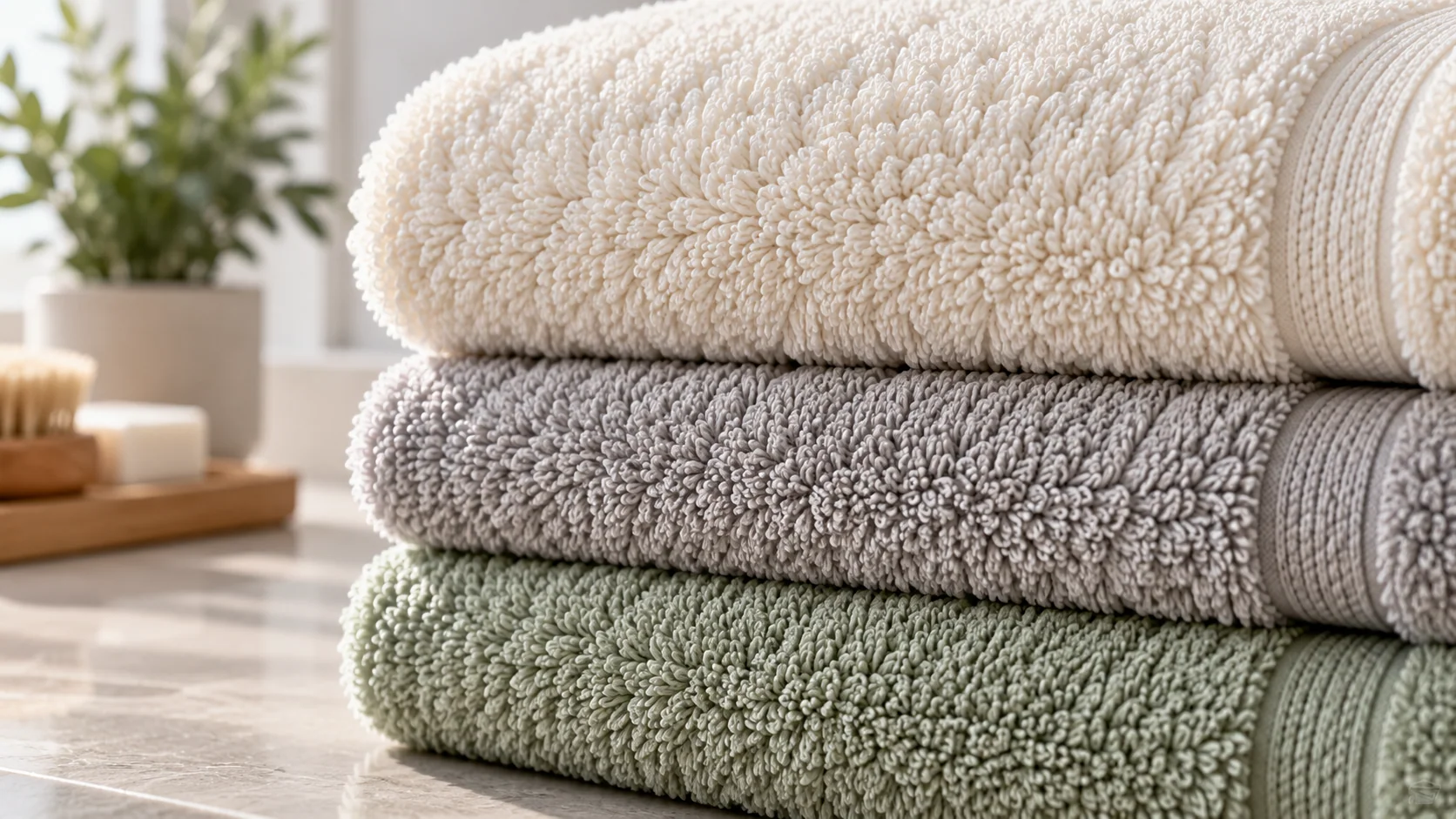
Laundry detergent is a regular household expense, and it can be tempting to use a little extra when washing items that need thorough cleaning. Towels, in particular, seem to require more detergent because they absorb moisture, collect body oils, and are used frequently. However, adding more detergent does not necessarily produce cleaner laundry. In many cases, using too much can leave residue behind, affect fabric texture, and increase the amount spent on everyday washing.
Cotton towels are designed to absorb water, but their fibres can gradually collect detergent residue when they are not rinsed properly. This buildup may make towels feel stiff, reduce their absorbency, and cause them to lose the comfortable texture people expect from freshly washed laundry.
A more measured approach to washing can help households reduce unnecessary detergent use while protecting their towels. Understanding How to Keep Towels Soft starts with recognising that effective laundry care is not about using the most product. It is about using the right amount, choosing suitable washing settings, and allowing towels to dry properly.
One of the most common laundry mistakes is assuming that extra detergent will make clothes and towels cleaner. Although detergent is essential for removing dirt, oils, and everyday grime, its effectiveness depends on using an appropriate quantity.
When too much detergent enters the washing machine, the rinse cycle may struggle to remove all the product from the fabric. Some residue can remain trapped between cotton loops, particularly when the machine is overloaded or the water level is insufficient.
Over time, this buildup can affect how towels feel. Instead of remaining flexible and comfortable, the fibres may become coated with leftover cleaning ingredients. Towels can also develop an unpleasant smell if detergent residue combines with moisture and everyday dirt.
Using the recommended detergent amount helps prevent unnecessary buildup. It also allows the washing machine to rinse laundry more effectively without requiring additional product.
Cotton towels have a distinctive looped construction that helps them absorb water. These loops create a large surface area, allowing towels to collect moisture efficiently.
However, the same structure can also hold onto detergent residue when washing and rinsing are not balanced. This is particularly noticeable when towels are washed frequently with more detergent than necessary.
As residue accumulates, cotton fibres may begin to feel less flexible. Towels can become rough, heavy, or less pleasant against the skin. Their ability to absorb water may also decline because leftover product can interfere with the fabric's natural absorbency.
This does not mean every stiff towel has a detergent problem. Hard water, excessive heat, unsuitable drying methods, and normal fabric wear can also contribute to roughness.
For anyone exploring How to Keep Towels Soft, controlling detergent buildup is a practical first step towards maintaining the natural feel and performance of cotton.
The easiest way to avoid wasting detergent is to measure it instead of estimating the amount by eye. Pouring product directly into the washing machine without checking the recommended dosage can lead to unnecessary overuse.
Most detergent packaging includes guidance based on laundry load size, water hardness, and the level of soiling. These instructions provide a useful starting point for choosing the correct quantity.
A lightly used load of towels may not require the same amount of detergent as heavily soiled laundry. Similarly, a small load generally needs less product than a full load.
It is also important to understand the washing machine's capacity. Overloading the drum can prevent towels from moving freely, making it harder for water and detergent to circulate properly.
Measuring detergent carefully helps households avoid unnecessary spending while supporting a more consistent washing routine.
Water quality can influence how effectively detergent works. In areas with hard water, minerals such as calcium and magnesium can interfere with cleaning performance.
These minerals may also contribute to deposits on fabrics and washing machine components. As a result, towels can feel rough even when the detergent quantity appears reasonable.
Using more detergent to compensate for hard water is not always the best solution. The correct approach depends on the detergent formulation, local water conditions, and manufacturer recommendations.
Some households may benefit from a detergent designed for hard-water conditions. Others may need to review their washing machine settings or consider an appropriate water-softening solution.
Understanding the relationship between water hardness and detergent helps explain why simply adding more product does not always improve laundry results.
Not every laundry product is designed for the same purpose. Some detergents are formulated for heavily soiled clothing, while others are intended for regular household washing.
For everyday cotton towels, a suitable detergent that cleans effectively at the recommended dosage is usually a sensible choice. There is no need to purchase several different products unless specific laundry requirements make them useful.
Concentrated detergents can also offer value because a smaller measured quantity may be sufficient for each load. However, concentration varies between brands, so it is important to follow the instructions rather than applying the same amount used with another product.
Avoid adding multiple cleaning products without a clear reason. Combining detergent, boosters, and other additives can increase laundry costs and may leave unnecessary residue.
A straightforward washing routine is often easier to manage and more economical over time.
Fabric softener is commonly used to make laundry feel smoother, but it is not always the best option for towels. Many softeners leave conditioning ingredients on fabric surfaces, which can gradually reduce cotton's ability to absorb moisture.
This can create a frustrating situation where towels feel smooth but do not dry the skin as effectively as expected.
Instead of depending on fabric softener, focus on correct detergent measurements, suitable washing cycles, and thorough rinsing. These habits can help maintain the natural texture of cotton without adding another product to the laundry budget.
If towels have become stiff, review the washing routine before purchasing additional treatments. Excess detergent, hard water, and drying conditions may be contributing to the problem.
Learning How to Keep Towels Soft is easier when softness, absorbency, and cleanliness are considered together rather than treated as separate goals.
A washing machine needs enough space for towels to move freely during the wash cycle. When the drum is packed too tightly, water and detergent may not circulate evenly through the load.
This can leave some areas insufficiently cleaned or rinsed. It may also encourage people to add more detergent when the real issue is an overloaded machine.
Wash towels in appropriately sized loads and separate them from items that may create excessive friction, such as garments with zips or rough fastenings.
Choosing a suitable cycle also matters. Follow the towel manufacturer's care instructions and select a setting that provides adequate washing and rinsing without unnecessary wear.
A properly loaded machine can help detergent perform as intended, making each wash more efficient.
The laundry process does not finish when the washing machine stops. Drying methods also influence how towels feel and how long they remain in good condition.
After washing, remove towels promptly and shake them gently to separate the cotton loops. This simple step can help prevent the fabric from drying in a compressed or uneven position.
When air drying, hang towels in a clean, well-ventilated area with enough space for air to circulate. Avoid leaving them folded over crowded racks, as trapped moisture can lead to unpleasant smells.
If using a tumble dryer, follow the care label and select an appropriate setting. Excessive heat can contribute to fabric wear, so avoid unnecessarily long drying cycles.
Proper drying helps maintain freshness and supports the benefits of using less detergent.
Reducing detergent use may seem like a small household adjustment, but the savings can add up over time.
Consider a household that washes several loads every week. If it regularly uses more detergent than the manufacturer's recommended amount, the extra product is consumed with every wash.
Measuring detergent accurately can help reduce this waste. The money saved on unnecessary product can be used elsewhere in the household budget, while fewer detergent purchases may also mean less packaging over time.
There may be additional savings if better washing habits help extend the useful life of towels. Cotton products that are washed and dried appropriately are less likely to experience avoidable damage caused by harsh or unsuitable laundry routines.
The goal is not to use as little detergent as possible. It is to use enough to clean the laundry properly without wasting product.
Maintaining comfortable towels does not require expensive laundry treatments or complicated cleaning methods. A few consistent habits can make a noticeable difference to everyday laundry care.
Start by measuring detergent according to the load size and product instructions. Avoid overfilling the washing machine, select suitable washing settings, and give towels enough time to rinse and dry properly.
Check the fabric care label before changing temperatures or drying methods. If towels remain rough, consider whether hard water, product buildup, or normal wear could be responsible.
These practical steps make How to Keep Towels Soft a manageable part of an economical household routine. They also help preserve the absorbency and comfort that make quality cotton towels useful in the first place.
Using less laundry detergent can benefit both household budgets and towel care when the amount is adjusted correctly. Excess product does not guarantee better cleaning and may contribute to residue that affects cotton's softness and absorbency.
By measuring detergent, understanding water conditions, avoiding unnecessary additives, and following suitable washing and drying practices, households can make laundry more efficient without compromising cleanliness.
The best approach to How to Keep Towels Soft is not to spend more on additional products. It is to understand what towels actually need and avoid habits that create unnecessary buildup or fabric damage. With a little attention to everyday laundry decisions, towels can remain fresh, absorbent, and comfortable while detergent lasts longer.