English
 Arabic
 French
 Spanish
 Portuguese
 Deutsch
 Turkish
 Dutch
Dutch
 Italiano
 Russian
 Romaian
 Portuguese (Brazil)
 Greek
Greek
Ice Cream Market Innovation Accelerates With New Consumer Preferences
Other |
2026-10-05 10:21:58
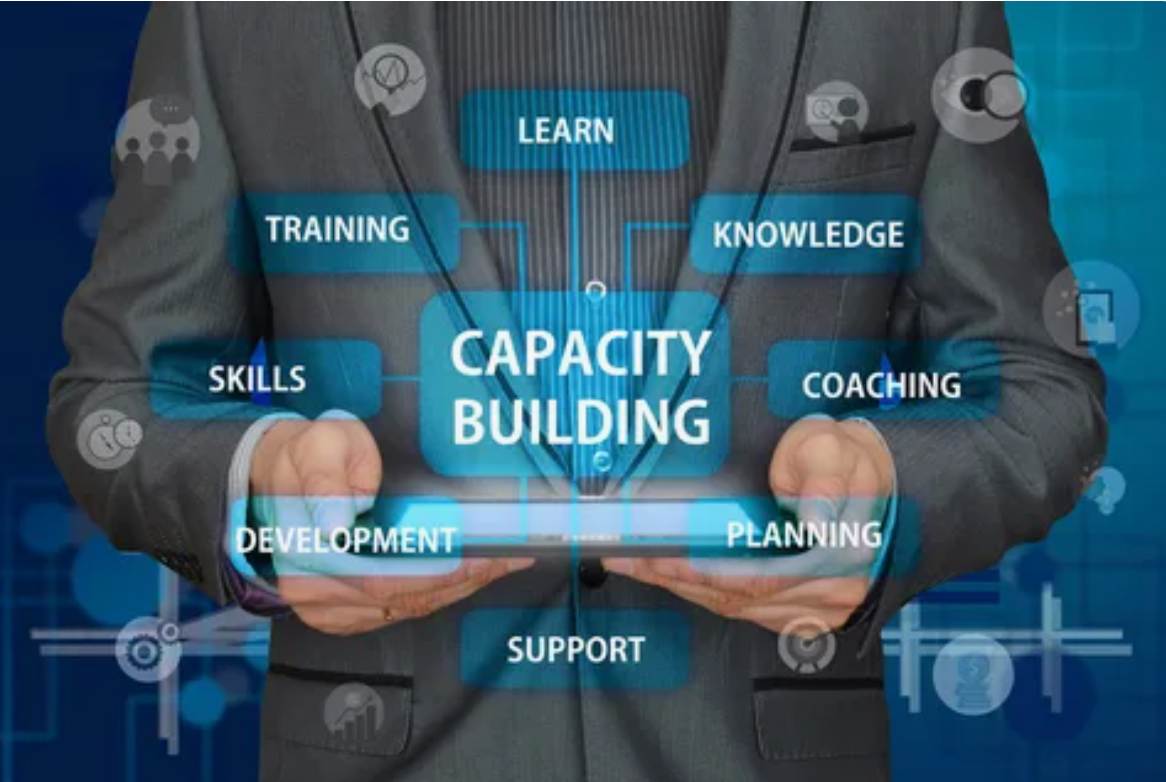
Capacity building is often discussed in terms of skills, resources, systems, and organizational performance. However, there is another side to the conversation that deserves equal attention: the moral imperative behind building capacity. When organizations, schools, communities, and leaders have the ability to improve their work, they are better positioned to serve people fairly, responsibly, and effectively.
Capacity building is not simply about doing more with available resources. It is about creating the knowledge, structures, leadership, relationships, and tools needed to produce meaningful and lasting improvement. When connected to a moral imperative, capacity building becomes more than a management strategy. It becomes a commitment to helping people and communities reach their potential.
Understanding Capacity Building
Capacity building refers to the process of strengthening an organization or group so it can perform its work more effectively and sustain progress over time. This can involve professional development, leadership training, improved processes, technology, communication systems, partnerships, and strategic planning.
For example, a school may have dedicated teachers and administrators but still struggle with student achievement if educators lack access to effective professional learning or instructional resources. Capacity building can help the school develop stronger teaching practices, leadership systems, collaboration, and decision-making processes.
The same principle applies to nonprofit organizations, businesses, government agencies, and community groups. Strong capacity allows people to respond to challenges instead of simply reacting to them.
The Moral Imperative Behind Capacity Building
The phrase “moral imperative” refers to a responsibility to do what is considered ethically right. In the context of capacity building, this responsibility is connected to the people an organization serves.
If an organization knows that its current systems are preventing it from serving people effectively, there is an ethical reason to pursue improvement. Doing nothing may allow avoidable problems to continue.
Consider education. Every student deserves meaningful opportunities to learn. Teachers need appropriate support, school leaders need effective tools, and families need access to useful information. Building capacity within educational systems can help create conditions where more students receive the support they need.
This does not mean that capacity building guarantees equal outcomes. Many factors influence results. However, developing stronger systems can reduce barriers and improve an organization's ability to respond to those challenges.
Building People, Not Just Systems
One of the most important aspects of capacity building is investing in people. Technology, policies, and procedures can support an organization, but people ultimately use those resources to create change.
Professional development can help employees develop new skills. Leadership coaching can help managers communicate more effectively and make thoughtful decisions. Mentoring can give emerging leaders opportunities to learn from experienced professionals.
A strong capacity-building strategy therefore recognizes that people need opportunities to grow.
Organizations can support this growth through workshops, coaching, peer collaboration, mentoring programs, reflective practice, and ongoing learning. These efforts are most effective when professional development is connected to real challenges rather than treated as a one-time event.
Leadership and Organizational Capacity
Leadership plays a central role in capacity building. Leaders influence priorities, workplace culture, resource allocation, communication, and accountability.
Effective leaders do not need to have every answer. Instead, they can create conditions in which others are encouraged to contribute ideas, solve problems, learn from mistakes, and take responsibility.
Leadership capacity also means preparing future leaders. An organization that depends entirely on one or two individuals may struggle when those people leave. Developing leadership at multiple levels creates greater stability and continuity.
Succession planning, leadership development, shared decision-making, and mentoring can all strengthen organizational capacity.
Capacity Building in Education
Education provides a clear example of why capacity building can carry a moral dimension. Schools have a responsibility to provide students with opportunities to learn and develop.
Teachers face changing instructional needs, diverse classrooms, new technologies, and increasing expectations. Simply asking educators to work harder does not necessarily address these challenges. Schools need systems that support teachers and students.
Capacity building may include instructional coaching, collaborative planning, professional learning communities, leadership development, curriculum support, and data-informed decision-making.
When these efforts are designed thoughtfully, educators can develop stronger practices while schools become better equipped to identify and respond to student needs.
The moral imperative is connected to creating learning environments in which students are not overlooked because a system lacks the capacity to respond effectively.
Equity and Access
Capacity building also has an important relationship with equity. Organizations do not always have the same resources, expertise, or opportunities. Some communities face greater barriers than others.
A capacity-building approach can help organizations identify these differences and determine where additional support is needed.
For example, a community organization serving a low-resource area may need additional staff training, technology, funding expertise, or partnerships. Strengthening those areas can improve the organization's ability to serve its community.
Equity does not necessarily mean providing identical resources to everyone. It can mean understanding different needs and developing the capacity to respond appropriately.
Creating Sustainable Change
Another important feature of capacity building is sustainability. Short-term projects can create excitement, but lasting improvement requires systems that continue working after the initial initiative ends.
Organizations can build sustainability by documenting processes, developing internal expertise, sharing knowledge, training multiple employees, and creating clear structures for accountability.
For instance, if only one employee knows how to manage an important process, the organization remains vulnerable. If several people are trained and the process is documented, knowledge becomes part of the organization rather than belonging to one individual.
Sustainable capacity allows progress to continue even when staff, leadership, funding, or external circumstances change.
Measuring Capacity Building
Capacity building should also be evaluated. Organizations need to understand whether their investments are producing meaningful improvements.
Measurements may include employee skill development, participation in professional learning, leadership readiness, improved processes, service quality, student outcomes, community engagement, or organizational stability.
Not every benefit can be captured through a single number. Some changes, such as stronger collaboration or greater confidence among staff, may take time to influence measurable outcomes.
For this reason, organizations can combine quantitative data with feedback, observations, surveys, interviews, and other forms of evidence.
Making Capacity Building a Shared Responsibility
Capacity building works best when it is not treated as the responsibility of one department or one leader. Everyone can contribute to organizational learning.
Employees can share knowledge and identify areas for improvement. Leaders can provide resources and remove barriers. Partners can contribute expertise. Communities can offer feedback about whether services are meeting real needs.
This shared approach creates a culture where improvement becomes part of everyday work.
Conclusion
Capacity building and moral imperative are closely connected because stronger organizations have greater opportunities to serve people effectively and responsibly. Building capacity means investing in people, leadership, systems, relationships, and sustainable practices.
The goal is not simply to increase productivity. It is to create organizations and communities that are better prepared to respond to challenges, recognize needs, and provide meaningful opportunities for the people they serve.
When capacity building is guided by a sense of responsibility, improvement becomes more than an organizational objective. It becomes an ongoing commitment to learning, fairness, accountability, and positive change. By developing the abilities of individuals and strengthening the systems around them, organizations can create a stronger foundation for long-term progress.