English
 Arabic
 French
 Spanish
 Portuguese
 Deutsch
 Turkish
 Dutch
Dutch
 Italiano
 Russian
 Romaian
 Portuguese (Brazil)
 Greek
Greek
Industrial Humidity Monitoring Market Research Highlighting Enterprise Penetration and Smart Platform Performance
Networking |
2026-10-06 06:12:14
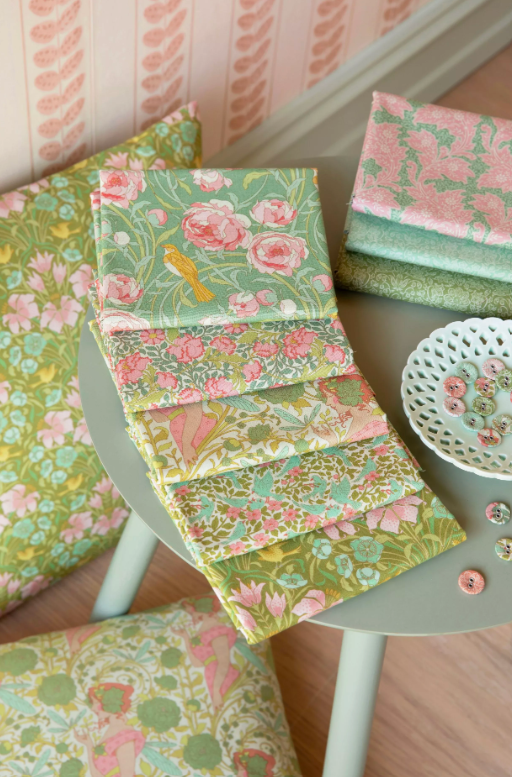
Choosing the right fabric can make a big difference in any sewing or quilting project. The fabric you select affects not only the appearance of the finished piece but also its texture, mood, and overall character. Among the many options available to modern quilters and makers, Tilda fabrics and Fableism fabrics have become popular choices for creating quilts, bags, home décor, clothing, and other handmade projects.
Both fabric brands offer distinctive designs and beautiful color combinations, making them useful for makers who want something special for their next project. While each has its own visual style, they can also work beautifully together when you want to create a layered and interesting fabric collection.
Discovering Tilda Fabrics
Tilda fabrics are known for their charming designs, soft colors, and detailed patterns. They often feature floral motifs, small-scale prints, delicate illustrations, and carefully coordinated color palettes. Their appearance can give handmade projects a warm, timeless feeling.
One of the reasons quilters enjoy Tilda fabrics is their versatility. Small floral prints can be used for patchwork blocks, while larger prints can become feature fabrics. Coordinating colors can then be added to create balance throughout the quilt.
Tilda fabrics are also well suited to projects that have a romantic, traditional, or country-inspired appearance. However, they do not have to be used only for traditional quilts. With thoughtful fabric placement, they can also become part of modern designs.
Exploring Fableism Fabrics
Fableism fabrics offer another interesting option for quilters and sewists. The brand is recognized for its distinctive woven fabrics, beautiful colors, and relaxed aesthetic. Many makers appreciate woven fabrics because they bring a different texture and visual quality to sewing projects.
Fableism fabrics can work especially well for projects where texture is just as important as print. Depending on the collection, the fabrics can add earthy, contemporary, playful, or sophisticated elements to a handmade design.
Their versatility makes them useful for quilts, garments, bags, pillows, blankets, and other sewing projects. Woven fabrics can also add visual depth when combined with printed quilting cottons.
Tilda Fabrics vs. Fableism Fabrics
Although both brands can be excellent choices for quilting and sewing, they have different characteristics.
Tilda fabrics often appeal to makers who enjoy detailed prints, florals, soft colors, and a classic decorative look. Fableism fabrics may appeal to those who prefer woven textures, modern color combinations, and a more relaxed contemporary style.
The best choice depends on the project you have in mind.
For example, imagine making a quilt inspired by a garden. Tilda fabrics could provide delicate flowers and small decorative prints for the quilt blocks. Fableism fabrics could then be introduced as solid-looking woven elements to provide contrast and texture.
Instead of thinking of the two brands as competitors, consider how their different characteristics can complement one another.
Creating a Balanced Fabric Palette
One of the most enjoyable parts of quilting is putting together a fabric palette. You do not necessarily need every fabric to match perfectly. In fact, slight differences in color, scale, and texture can make a finished quilt more interesting.
When working with Tilda fabrics and Fableism fabrics, begin by choosing a main color family. You might select blue, green, pink, yellow, or neutral shades as your starting point.
Next, choose a few supporting fabrics. Small prints can act as background fabrics, while larger patterns can become focal points. Woven fabrics can add texture and prevent the project from looking too visually busy.
A simple palette might include:
This approach makes it easier to create a cohesive project without making every fabric look identical.
Quilting Projects to Try
There are countless ways to use these fabrics. A traditional patchwork quilt is an obvious choice, but you can also experiment with smaller projects.
A scrappy quilt is a great way to use several fabrics from different collections. Instead of following a strict color scheme, arrange pieces according to color, pattern, and contrast.
You could also create a simple throw pillow. Use a larger Tilda print on the front and add a coordinating Fableism fabric for the back or border.
Another idea is a quilted tote bag. Combining patterned cotton with woven fabric can give the bag both visual interest and a tactile quality.
For smaller projects, consider:
These projects can be a good way to experiment with new fabrics before committing to a large quilt.
Why Fabric Quality Matters
Fabric quality is an important consideration when choosing materials for a handmade project. Good-quality fabric can be easier to cut, sew, press, and piece accurately. It can also help a finished quilt or sewing project maintain its appearance after regular use.
Before purchasing fabric, consider how the project will be used. A decorative wall hanging may have different fabric requirements than a frequently washed quilt or everyday tote bag.
It is also useful to pay attention to fabric width, fiber content, weave, washing instructions, and the scale of the print. These details can affect how the material behaves during sewing.
Buying Fabric Online
Shopping for fabric online gives quilters access to a much wider selection of colors and collections. An online fabric shop can be especially helpful when you are looking for a specific palette or trying to coordinate several fabrics.
When shopping online, look carefully at product descriptions and photographs. If you need several fabrics to work together, compare their colors and patterns before placing your order.
It can also help to buy a few coordinating fabrics from the same collection while adding one or two contrasting fabrics from another designer. This creates a controlled palette while still giving the finished project personality.
Let Your Creativity Guide the Project
There are no strict rules that say a quilt must use fabrics from only one collection. Mixing designers can be one of the most creative parts of quilting.
Tilda fabrics can bring delicate prints and decorative charm, while Fableism fabrics can introduce texture and contemporary color. Together, they can create a fabric combination that feels personal and unexpected.
Start with the colors you love. Think about the mood you want your finished project to have. Then experiment with different prints, textures, and scales.
You may discover that a combination that looked unusual on the cutting table becomes beautiful once the pieces are sewn together.
Final Thoughts
Tilda fabrics and Fableism fabrics each offer unique possibilities for quilters and sewists. Tilda is a wonderful option for makers who enjoy detailed patterns, florals, and gentle color palettes, while Fableism provides distinctive woven textures and versatile contemporary designs.
Whether you are planning a large quilt or a small handmade accessory, mixing different fabrics can help you create something that feels original. Choose a thoughtful color palette, experiment with pattern and texture, and give yourself room to try something new.
The most rewarding part of quilting and sewing is often not following a perfect formula but discovering how different fabrics come together to tell your own creative story.