English
 Arabic
 French
 Spanish
 Portuguese
 Deutsch
 Turkish
 Dutch
 Italiano
 Russian
 Romaian
 Portuguese (Brazil)
 Greek
Defrosting Precision: The Role of Automobile Heated Front Windshield Market Defrost Technology in Winter Safety
Other |
2026-10-26 07:00:46
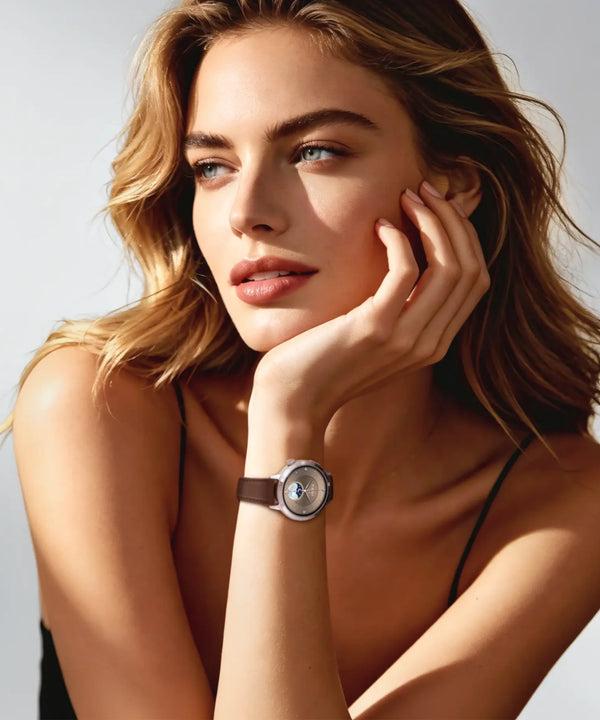
Sleep is one of the most important pillars of health, yet millions of people struggle to get enough good-quality rest. In response, smartwatch sleep tracking has become one of the most popular features in wearable technology. Devices from Apple, Samsung, Garmin, Fitbit, and many others now promise to monitor your sleep stages, detect awakenings, and even assign a nightly sleep score. But how accurate is smartwatch sleep tracking really? And can you trust the data enough to make meaningful changes to your sleep habits?
This article explores how smartwatch sleep tracking works, what scientific studies say about its accuracy, where it falls short, and how to get the most reliable results from your device. By the end, you will have a clearer picture of what your watch can and cannot tell you about your sleep.
How Smartwatch Sleep Tracking Works
Most smartwatches do not measure brain waves directly. Instead, they use a combination of sensors and algorithms to infer sleep. The most common signals include:
Using these inputs, smartwatch algorithms classify your night into stages such as light sleep, deep sleep, REM sleep, and wakefulness. They then generate metrics like total sleep time, sleep efficiency, and a composite sleep score.
What the Research Says About Accuracy
The gold standard for sleep measurement is polysomnography (PSG), which records brain waves, eye movements, muscle activity, heart rate, and breathing in a sleep lab. Smartwatches cannot match PSG, but studies show they perform reasonably well for certain metrics—and poorly for others.
Research generally finds that smartwatch sleep tracking is most accurate for total sleep time and sleep–wake detection. In other words, these devices are fairly good at telling you approximately how long you slept and whether you were asleep or awake. Several validation studies have reported agreement rates of around 80–90% for total sleep time compared with PSG, though results vary by device and study design.
However, accuracy drops significantly when it comes to sleep staging—distinguishing between light sleep, deep sleep, and REM sleep. Most consumer wearables correctly identify deep sleep and REM sleep only about 50–70% of the time, and some perform even worse. This means the detailed stage breakdowns you see in your app should be treated as estimates rather than precise measurements.
Another common issue is misclassification of quiet wakefulness as sleep. If you lie still in bed while awake, many smartwatches will record that time as sleep. Conversely, brief awakenings may be missed. People with insomnia or highly fragmented sleep tend to see larger discrepancies between smartwatch data and reality.
Factors That Affect Smartwatch Sleep Tracking Accuracy
Accuracy is not just about the device—it also depends on how you use it and your individual characteristics. Key factors include:
What Smartwatch Sleep Tracking Does Well
Despite limitations, smartwatch sleep tracking offers real value. It excels at:
What It Does Poorly
Smartwatch sleep tracking is not a medical-grade tool. It should not be used to diagnose or rule out sleep disorders. If you suspect sleep apnea, chronic insomnia, or another sleep condition, consult a healthcare professional. Also, do not obsess over nightly sleep scores—orthosomnia, or anxiety about sleep tracking, is a real phenomenon that can worsen sleep.
How to Get More Accurate Results
To improve the reliability of your smartwatch sleep tracking:
The Bottom Line
Smartwatch sleep tracking is a convenient and increasingly sophisticated tool, but it is not a perfect sleep lab. It is reasonably accurate for total sleep time and sleep–wake patterns, less accurate for sleep stages, and best used as a guide for trends rather than a source of medical truth. When interpreted thoughtfully, it can help you build healthier sleep habits and notice patterns you might otherwise miss.
A Recommendation for Women Seeking Comfort and Insight
If you are looking for a smartwatch that combines reliable everyday sleep tracking with comfort and style, consider the FANY silicone series women smartwatch. Designed specifically for women, this series features a soft, skin-friendly silicone strap that stays comfortable through the night—an important factor for consistent sleep tracking. It monitors sleep duration, sleep stages, and overnight heart rate, and presents the data in a clear, easy-to-understand app. The lightweight design and feminine aesthetic make it a practical choice for daily wear, whether you are exercising, working, or sleeping. While no consumer smartwatch replaces professional sleep evaluation, the FANY silicone series offers a user-friendly way to build awareness of your sleep patterns and support better rest. Explore the FANY silicone series women smartwatch and take a more informed step toward healthier sleep.
https://fany.us/blogs/wellness-fitness/smartwatch-sleep-tracking-what-to-know-and-how-to-get-started