English
 Arabic
 French
 Spanish
 Portuguese
 Deutsch
 Turkish
 Dutch
Dutch
 Italiano
 Russian
 Romaian
 Portuguese (Brazil)
 Greek
Greek
Australia Soya Bean Production Trends and Agricultural Growth Outlook
Other |
2026-09-19 07:45:37
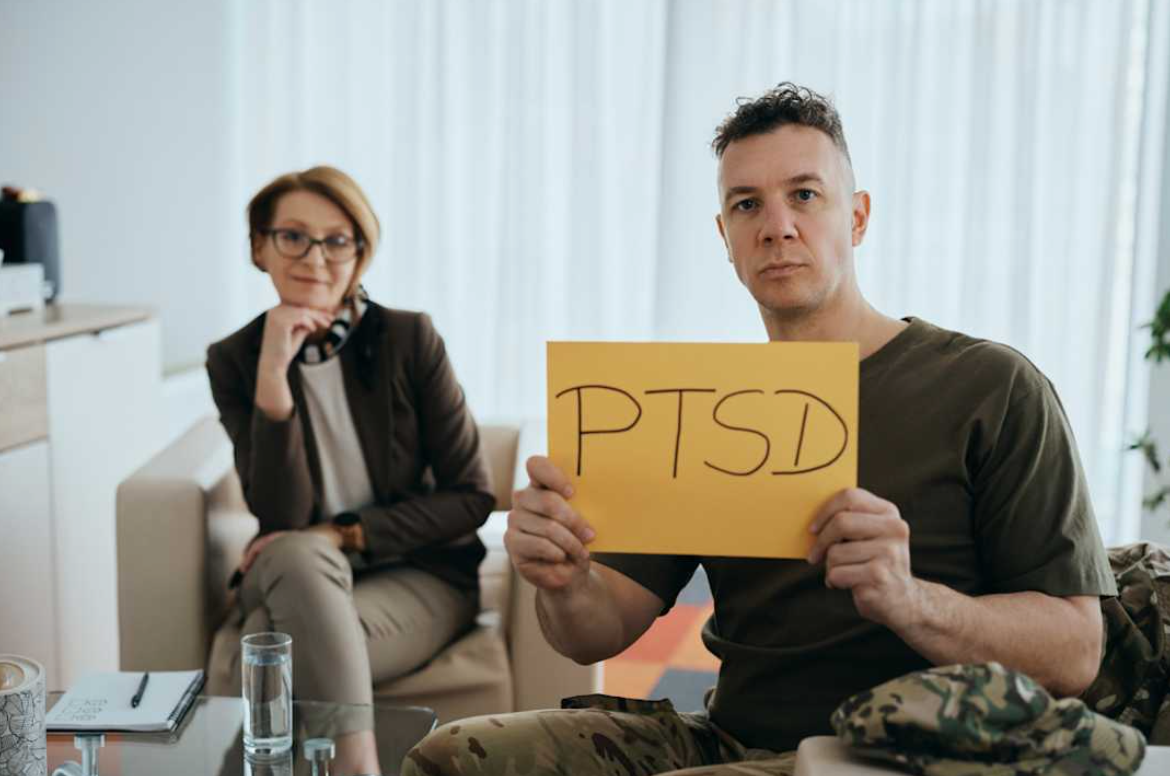
Experiencing trauma can change the way a person sees themselves, other people, and the world around them. Sometimes, the effects of a difficult or frightening experience continue long after the event has ended. A person may struggle with unwanted memories, anxiety, sleep problems, emotional distress, or a constant feeling of being on alert. When these symptoms interfere with everyday life, professional support can make a meaningful difference.
PTSD counseling and trauma-informed therapy are two approaches that can help people understand their experiences and develop healthier ways to cope. While everyone's healing process is different, working with a qualified mental health professional can provide a safe space to explore difficult emotions without judgment.
Understanding PTSD
Post-traumatic stress disorder, commonly called PTSD, can develop after someone experiences or witnesses a traumatic event. Trauma can come from many situations, including accidents, abuse, violence, military experiences, natural disasters, serious medical events, or the sudden loss of someone important.
Not everyone who experiences trauma develops PTSD. However, some people continue to experience symptoms that make daily life difficult.
Common symptoms may include:
These experiences can be confusing, especially when a person feels that they should have "moved on." PTSD is not a sign of weakness. Trauma can affect both the mind and body, and recovery often takes time.
What Is PTSD Counseling?
PTSD counseling provides professional support for people experiencing symptoms related to trauma. A therapist can help a person understand their reactions, identify triggers, manage difficult emotions, and gradually develop coping skills.
Counseling does not mean that someone has to talk about every detail of a traumatic experience immediately. A good therapeutic relationship is built around safety, trust, and the individual's readiness.
Depending on a person's needs, a mental health professional may use evidence-based approaches designed to address trauma-related symptoms. Treatment may focus on emotional regulation, coping strategies, thoughts connected to the trauma, relationship difficulties, or other concerns affecting everyday life.
The goal is not simply to forget what happened. Instead, therapy can help people develop a healthier relationship with their memories and responses so that the past does not control every part of their present.
What Is Trauma-Informed Therapy?
Trauma-informed therapy is an approach that recognizes how trauma can influence a person's emotions, behavior, relationships, and sense of safety.
Rather than asking only, "What's wrong with you?" trauma-informed care considers an important question: "What happened to you, and how might it be affecting you now?"
This approach emphasizes safety, trust, respect, collaboration, and personal choice. The therapist works with the client instead of making assumptions about what the person needs.
Trauma-informed therapy can be helpful for people who have experienced a single traumatic event as well as those who have experienced repeated or long-term trauma.
The Importance of Feeling Safe in Therapy
Safety is an important part of trauma recovery. Someone who has experienced trauma may find it difficult to trust others or feel comfortable discussing personal experiences.
A trauma-informed therapist understands this possibility and avoids forcing the client to move faster than they are ready for.
The therapeutic process may begin with simple conversations about current challenges, coping skills, emotional regulation, and personal goals. Over time, the client can decide what they feel comfortable exploring.
This sense of control can be especially meaningful for someone whose traumatic experience involved a loss of control.
Building Healthy Coping Skills
One important part of PTSD counseling is learning how to manage difficult reactions.
A therapist may help clients recognize situations that trigger distress and practice strategies for responding differently. These strategies can include grounding techniques, relaxation exercises, breathing practices, emotional awareness, and healthy routines.
For example, someone experiencing a sudden reminder of trauma may feel as though the original danger is happening again. Learning to recognize the difference between a memory and a present-day threat can be an important part of managing these reactions.
Coping skills do not erase painful experiences, but they can help a person feel more capable of handling difficult moments.
Trauma Can Affect Relationships
Trauma can also influence relationships. Some people may become withdrawn, while others may struggle with trust, communication, anger, or emotional closeness.
A person may find it difficult to explain why certain situations make them uncomfortable. Loved ones may also misunderstand trauma-related behaviors.
PTSD counseling can provide a place to explore these relationship patterns. Therapy may help people understand their emotional responses and communicate their needs more effectively.
For couples or families affected by trauma, appropriate therapy may also provide opportunities to improve communication and mutual understanding.
Healing Does Not Have to Be Linear
Recovery from trauma rarely follows a perfectly straight path. Someone may feel better for a period of time and then experience difficult symptoms again after a stressful event or unexpected reminder.
This does not necessarily mean that they have failed or returned to the beginning.
Healing can involve progress, setbacks, learning, and adjustment. A compassionate therapist can help a person recognize progress while developing new strategies for challenging periods.
It is also important to remember that every person's experience is different. What helps one person may not work in exactly the same way for another.
Finding the Right Support
Choosing a therapist is a personal decision. When looking for PTSD counseling or trauma-informed therapy, it can be helpful to ask about the therapist's experience working with trauma-related concerns and the types of treatment approaches they use.
A person should feel respected and comfortable asking questions about therapy. The right therapeutic relationship can create a foundation where someone feels heard rather than judged.
If trauma symptoms are affecting sleep, relationships, work, school, or everyday activities, reaching out to a qualified mental health professional may be a worthwhile step.
Moving Toward a Healthier Future
Trauma can leave a lasting impact, but it does not have to define a person's entire life. With appropriate support, people can learn more about their responses, develop coping skills, rebuild trust, and create a stronger sense of safety.
PTSD counseling offers a structured space for addressing trauma-related symptoms, while trauma-informed therapy places safety, choice, respect, and understanding at the center of the therapeutic relationship.
Seeking help is not a sign that someone is weak. It can be a practical and courageous step toward understanding what happened, caring for oneself in the present, and building a healthier future.