English
 Arabic
 French
 Spanish
 Portuguese
 Deutsch
 Turkish
 Dutch
Dutch
 Italiano
 Russian
 Romaian
 Portuguese (Brazil)
 Greek
Greek
Bottled Iced Tea Market Trends: Why Refreshing Tea Beverages Are Booming
Food |
2026-09-07 05:52:02
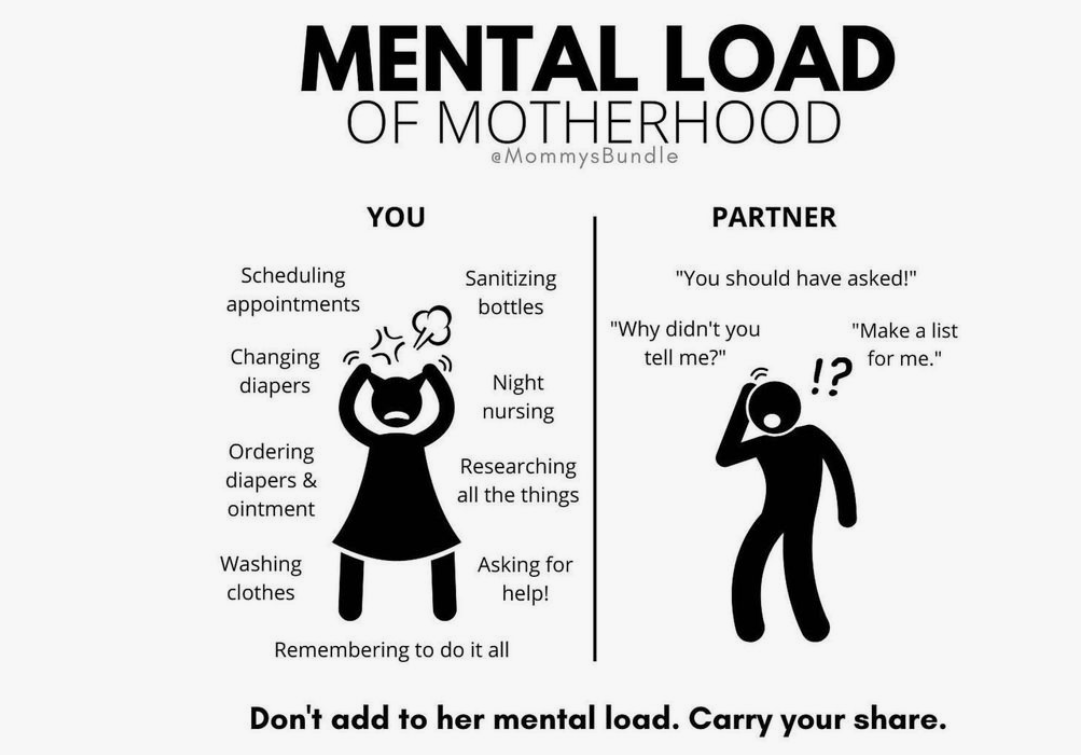
Motherhood can be full of beautiful moments, but it can also feel exhausting in ways that are difficult to explain. A mother may spend the entire day caring for her children and still feel like she has not done enough. Even when she finally sits down, her mind may continue running through tomorrow's meals, school activities, appointments, laundry, shopping, bedtime routines, and everything else the family needs.
This invisible responsibility is often called the Mental load in motherhood explained.
Understanding the mental load can help explain why motherhood feels so hard, even when a mother loves her children deeply. The problem is not that she does not enjoy being a mother. The problem is that she may be carrying too many responsibilities in her mind at the same time.
What Is the Mental Load in Motherhood?
The mental load is the constant thinking, planning, organizing, remembering, and anticipating that keeps a household running.
It is more than simply doing chores.
For example, preparing your child's lunch is a physical task. But remembering that your child needs lunch, checking what food is available, deciding what to pack, noticing that certain foods are running out, adding them to the shopping list, and remembering to prepare everything the night before are all part of the mental load.
This mental work can happen quietly in the background throughout the day.
A mother might be playing with her child while thinking:
None of these thoughts may look like a major task on their own. Together, however, they can become overwhelming.
One reason motherhood feels so hard is that mothers are often responsible for many different areas of family life at once.
There is the physical work of childcare, cleaning, cooking, shopping, and getting children ready. Then there is the emotional work of listening, comforting, teaching, encouraging, and helping children understand their feelings.
On top of that comes the mental work of planning what needs to happen next.
A mother may rarely feel completely "off duty."
Even during quiet moments, her brain may be preparing for the next responsibility.
This can make motherhood feel like a job that never truly ends. There may be no clear closing time, no finished checklist, and no guarantee that tomorrow will be easier.
The Difference Between Doing and Managing
A useful way to understand the mental load is to separate doing a task from managing a task.
Imagine a family needs to attend a birthday party.
One person might drive the children to the party. But another person may have remembered the party, bought the gift, checked the invitation, chosen the children's clothes, packed snacks, and remembered what time they need to leave.
The driving is visible.
The planning behind it may not be.
This is why simply "helping with chores" does not always remove the mental load. If one person still has to remember, assign, plan, and supervise everything, the responsibility remains in their mind.
The Emotional Side of the Mental Load
The mental load is not only about household organization. It can also involve emotional responsibility.
Mothers may worry about whether their children are happy, confident, healthy, learning properly, making friends, behaving well, and feeling loved.
They may remember small details about each child's personality and needs.
One child may need extra encouragement before school. Another may become upset when routines change. A teenager may need more privacy but still need emotional support.
Keeping track of these details takes energy.
This emotional responsibility can be difficult because it is often invisible. A mother may appear calm while internally thinking about ten different things involving her family.
Why Constant Thinking Can Become Exhausting
The human mind needs rest just as the body does.
When someone is constantly planning and remembering responsibilities, it can become difficult to relax. Even when nothing urgent is happening, the brain may continue searching for the next thing that needs attention.
This can contribute to feelings of irritability, frustration, exhaustion, and overwhelm.
A mother might wonder, "Why am I so tired? I barely did anything today."
But she may have spent hours making decisions, solving small problems, answering questions, remembering schedules, and anticipating what her family would need next.
Mental work is still work.
You Do Not Have to Do Everything Perfectly
Another reason motherhood can feel difficult is the pressure to do everything well.
Many mothers feel that they should provide healthy meals, keep a clean home, support their children's education, create meaningful family memories, stay emotionally available, maintain relationships, and somehow find time for themselves.
That is a lot to expect from one person.
There is no perfect mother, perfect home, or perfect parenting routine.
Some days dinner may come from the freezer. Some days the laundry may stay unfolded. Some days a mother may have very little patience.
That does not make her a bad mother.
Children do not need perfection. They need care, connection, safety, and a parent who is allowed to be human.
Ways to Reduce the Mental Load
Reducing the mental load does not always mean doing fewer things. Sometimes it means changing how responsibilities are shared.
1. Write Down Everything
Take some time to write down the tasks you regularly remember and manage. Include small things that are easy to overlook.
Seeing the list on paper can make the invisible workload more visible.
2. Share Responsibility, Not Just Tasks
If you have a partner or another support person, try to divide ownership of responsibilities.
Instead of asking someone to "help" with school preparation, they can take responsibility for knowing the schedule, preparing supplies, and handling related tasks.
This removes the need for one person to remain the manager.
3. Lower Your Standards When Necessary
Not every task deserves your maximum effort.
Ask yourself what truly matters today and what can wait.
A clean kitchen is useful, but so is rest. A perfectly organized home is not more important than a parent's well-being.
4. Make Room for Yourself
Personal time is not selfish.
Even small breaks can help. Reading a few pages, taking a walk, drinking coffee quietly, talking to a friend, or simply sitting without solving a problem can give your mind space to recover.
5. Ask for Specific Help
Instead of saying, "I need help," try identifying exactly what would make your day easier.
For example, someone could handle school pickup, prepare dinner, manage bedtime, or take responsibility for grocery shopping.
Specific responsibilities are easier to share than a general request for help.
Motherhood Is Hard Because It Matters
The reason motherhood can feel so difficult is not because mothers are weak or incapable. It is often difficult because mothers care deeply and carry many responsibilities at once.
The mental load in motherhood explains some of the exhaustion that cannot be seen from the outside.
If motherhood feels hard sometimes, that does not mean you are failing. It means you are carrying a lot.
Recognizing the mental load is a useful first step. From there, families can look for ways to share responsibilities, simplify routines, accept imperfection, and make space for mothers to rest.
Motherhood does not have to be perfect to be meaningful. Sometimes, doing enough really is enough.