English
 Arabic
 French
 Spanish
 Portuguese
 Deutsch
 Turkish
 Dutch
 Italiano
 Russian
 Romaian
 Portuguese (Brazil)
 Greek
Powering Accessories: How the Automotive DC Auxiliary Cigarette Lighters Market Delivers In-Vehicle Power
Other |
2026-10-29 07:26:46
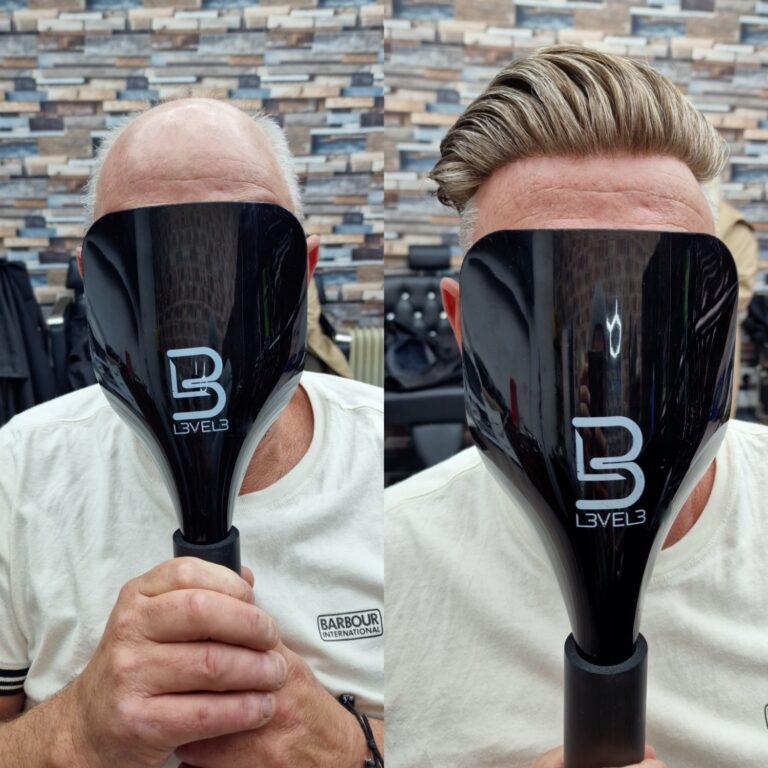
Hair replacement has changed considerably over the years. Many men still picture an old-fashioned hairpiece when they hear the words “toupee” or “hair system”. Those designs often had thick bases, noticeable edges and hair that did not blend naturally with the wearer’s own style.
Today, non-surgical hair replacement offers a much wider range of materials, fits and styling options. Modern systems can be lightweight, carefully matched to a person’s existing hair and designed to cover specific areas of hair loss. The result depends on choosing the right system and having it fitted and maintained properly, but the options are more flexible than they once were.
For men exploring hair replacement, understanding these changes can make it easier to decide what might suit their needs, routine and personal preferences.
One of the biggest changes is the focus on a natural appearance. Older hairpieces were often designed to cover a large area with a uniform density. This could make the hair look too thick or create a visible difference between the hairpiece and the wearer’s natural hair.
Modern systems place more attention on how hair grows naturally. Density can be selected to suit the wearer’s age, existing hair and preferred style. Hair colour, texture, direction and length can also be matched more carefully.
The hairline is particularly important. A natural hairline is not usually a perfectly straight, dense edge. It has small variations and often appears softer at the front. Modern systems can be designed or styled to reflect these details, helping the replacement hair blend more convincingly.
A natural result is not simply about buying the thinnest base or the most expensive system. The fit, hairline design, density, colour matching and professional blending all contribute to the final appearance.
Hair systems are now available in different base materials, each with its own benefits and limitations. The main options include lace, skin or polyurethane, monofilament and hybrid bases.
Lace bases use a fine mesh material through which individual hairs are attached. The open structure allows air to pass through, making lace a popular choice for men who prioritise breathability and a soft-looking hairline.
Lace can be delicate, however, and may need careful handling during cleaning and maintenance. The exact durability depends on the lace type, construction, adhesive and how the system is worn.
Skin systems use a thin, flexible membrane that sits against the scalp. Some are made very thin to create a subtle edge, while thicker versions may offer greater durability.
These systems can be straightforward to clean and attach, but very thin materials may be more delicate. They may also feel warmer than more breathable lace options, depending on the design and the wearer’s routine.
Monofilament bases use a stronger mesh that can provide a balance between comfort and durability. They may be suitable for men who want a sturdy base and a natural-looking parting, although the material may be more noticeable than finer lace or thin skin in certain areas.
Hybrid systems combine different materials in one base. For example, a system may use lace at the front for a softer hairline and a different material around the sides and back for easier attachment or cleaning.
The benefit of having more options is that men no longer need to rely on one standard design. The best choice depends on the area being covered, the desired appearance, comfort preferences and maintenance routine.
You can learn more about available options through the London Hair Replacement website: https://www.londonhairreplacement.co.uk/
Another important change is the attention given to fitting. A hair system needs to match the area of hair loss and sit comfortably against the scalp. A poor fit can lead to visible edges, uneven coverage or discomfort.
Modern fitting appointments can include measuring the area, assessing the existing hair and discussing the style the wearer wants. Some systems are available in standard sizes and can be adjusted, while others can be made to suit individual measurements.
Hairline design is also more personalised. A man who prefers a mature, subtle style may want a different hairline from someone who usually wears their hair forward or in a more modern cut. The goal is not always to create the densest possible look. It is to create a result that feels consistent with the wearer’s appearance.
Professional fitting can also help with blending the replacement hair into the surrounding natural hair. This is particularly important for partial systems that cover the crown or top of the head while leaving the sides and back uncovered.
Many modern hair replacement systems use human hair, which can offer natural movement and styling flexibility. The hair can be selected to match the wearer’s colour, texture and preferred length.
Human hair systems can generally be styled in a way that resembles natural hair, although they still need appropriate care. Replacement hair does not receive natural oils from the scalp in the same way as growing hair, so it may become dry or tangled if it is not cared for properly.
Some systems may also use synthetic or blended hair. These options can have different maintenance needs and styling limitations, so it is worth asking what type of hair is being used before choosing a system.
For men considering a human hair system, the fitting process should include a discussion about how they usually style their hair and how much time they want to spend maintaining it.
Modern hair systems can be attached in different ways, depending on the base material, the wearer’s preferences and the advice of the specialist.
Some systems use adhesive, while others may use tape or clips. Bonded systems are designed to remain in place for a period of time before they need to be removed, cleaned and reattached. Clip-in options can be removed more regularly, but they may not be suitable for every person or every pattern of hair loss.
There is no single attachment method that works best for everyone. Skin sensitivity, lifestyle, the condition of the scalp and the amount of maintenance a person is comfortable with should all be considered.
Adhesives and tapes should be used according to their instructions. Anyone who experiences irritation, persistent redness or discomfort should stop using the product and seek appropriate advice.
Modern systems can look natural, but they are not maintenance-free. Regular care is still necessary to keep the base clean, the attachment secure and the hair looking its best.
Maintenance may involve removing the system, cleaning the base and scalp, applying fresh adhesive or tape, and restyling the hair. The timing depends on the system, attachment method, scalp condition and lifestyle.
A professional maintenance appointment can also help identify issues before they become more noticeable. For example, the edges may need attention, the hair may require trimming, or the system may need to be replaced.
The important point is to understand the ongoing commitment before choosing a system. A hair replacement solution should fit into a person’s routine, not create unexpected pressure or inconvenience.
Men today may want a hair system that works with exercise, travel, work and social activities. Modern materials and attachment methods have expanded the available choices, but performance still depends on the system and how it is fitted.
Some wearers prefer a breathable base, while others prioritise easier cleaning or a particular type of attachment. A man who exercises regularly may need different advice from someone who prefers a removable system or has a sensitive scalp.
Activities such as swimming, showering and exercise may be possible with certain systems, but wearers should follow the specialist’s guidance. Adhesive needs time to settle, and exposure to sweat, water or frequent friction can affect how long an attachment lasts.
A consultation is a useful opportunity to discuss everyday habits and ask what the selected system can realistically handle.
The consultation process has also become an important part of modern hair replacement. Instead of choosing a hairpiece based only on a photograph or online description, men can discuss their needs with a specialist before making a decision.
A consultation may cover the pattern of hair loss, the amount of coverage needed, preferred hairstyle, colour matching, base materials, attachment options and maintenance expectations. It is also a chance to ask about the likely costs of fitting, upkeep and replacement.
For men who are new to hair systems, this conversation can help clear up common misconceptions. A specialist can explain what is achievable, what requires regular care and which options may not suit a particular scalp or lifestyle.
London Hair Replacement offers information about its new hair system fitting service here: https://www.londonhairreplacement.co.uk/new-hair-system/
Despite the improvements, some basic realities remain the same. Hair systems do not stop the underlying cause of hair loss, and they need ongoing care. They also cannot guarantee that nobody will ever notice them.
The final result depends on several factors working together: a suitable base, a well-matched colour and density, a natural hairline, a proper fit and regular maintenance. A system that looks excellent on one person may not be the right choice for another.
It is also important to compare hair replacement with other options. Some men may explore medical treatments or hair transplantation, while others prefer a non-surgical solution that can be changed or removed. These approaches serve different needs, and a qualified healthcare professional can help explain medical options where appropriate.
The range of modern hair replacement options gives men more control over how they address hair loss. The best starting point is to think about what matters most: natural appearance, comfort, breathability, durability, styling flexibility or ease of maintenance.
Rather than focusing only on product descriptions, consider how a system will fit into everyday life. Ask about the base material, hair type, attachment method, maintenance schedule and expected replacement needs. A professional consultation can help turn those questions into a practical choice.
Modern hair replacement is not about finding one perfect system for everyone. It is about choosing a solution that suits the individual and having it fitted and cared for properly. With realistic expectations and the right guidance, today’s options can offer a more natural-looking and flexible approach to men’s hair replacement.