English
 Arabic
 French
 Spanish
 Portuguese
 Deutsch
 Turkish
 Dutch
 Italiano
 Russian
 Romaian
 Portuguese (Brazil)
 Greek
Portable wall Options for Better Workplace Privacy and Productivity
Other |
2026-10-27 18:31:03
Introduction
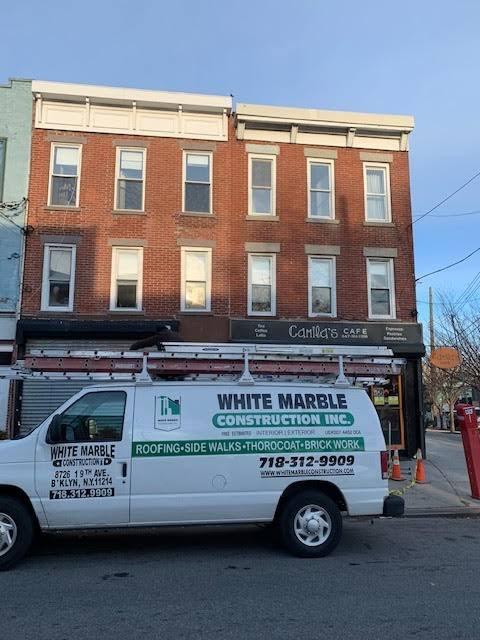
A brick wall can look solid for decades, but Brooklyn weather and everyday building movement slowly affect the mortar that holds it together. White Marble Construction Inc. helps property owners understand the condition of their masonry and plan repairs before small defects become larger problems. Whether you own a brownstone, townhouse, apartment building, or commercial property, knowing what to look for can help protect the structure and preserve its appearance.
Brooklyn buildings face changing temperatures, rain, snow, wind, and periods of high humidity. Water can enter small openings in mortar joints and brick surfaces. When temperatures drop, trapped moisture may freeze and expand, putting pressure on the surrounding material. Over time, mortar can become loose, bricks may crack or shift, and water may find a path into the wall.
Age is another factor. Many neighborhood buildings have older brickwork that has experienced years of repairs, repainting, or exposure to moisture. Previous work may have used mortar that is too hard or otherwise unsuitable for the original brick. A repair should take the age, condition, and materials of the wall into account rather than applying the same method to every building.
Look for mortar that is crumbling, missing, or pulling away from the edges of bricks. White powdery deposits, often called efflorescence, can indicate that moisture is moving through masonry and leaving mineral salts behind. Other warning signs include recurring damp patches indoors, peeling paint near exterior walls, cracked bricks, bulging areas, and loose pieces around windows or parapets.
A single hairline crack does not always mean a wall is unsafe, but widening cracks, movement, or a bulging wall should be assessed promptly by a qualified professional. Avoid climbing ladders or trying to remove loose masonry yourself, especially on a multi-story building.
The correct repair depends on what caused the damage. Repointing is the process of removing deteriorated mortar from joints to an appropriate depth and installing compatible new mortar. It can help restore the joint's ability to shed water and support the brickwork. Repointing is not simply spreading a thin layer over old mortar; a surface coating may fail quickly if the weak material underneath remains.
Where bricks are cracked, spalled, or badly damaged, individual units may need to be replaced. A mason should match the size, color, texture, and strength of the existing brick as closely as practical. Other projects may involve repairing lintels above windows, parapet walls, steps, stoops, chimneys, or masonry around foundations. If the wall has moved or shows structural distress, the cause must be investigated before cosmetic work begins.
Ask a masonry contractor Brooklyn to inspect the affected area and explain the likely source of the problem. A useful proposal should describe the work, materials, access arrangements, cleanup, and any exclusions. Ask whether the contractor has experience with buildings similar to yours and request examples of comparable work. Check references and confirm that the business holds any license required for the specific work.
For exterior work, also ask who will determine whether permits, sidewalk protection, or other approvals are needed. New York City requirements depend on the scope and location of a project. Some limited masonry maintenance may be treated differently from structural façade work, parapet reconstruction, or work that occupies public space. Do not assume that every repair has the same permit requirements; confirm the details before work starts.
Walk around the property periodically and look at walls from a safe position. Check after major storms and pay attention to places where water collects, such as roof edges, window sills, and areas around downspouts. Keep gutters and drainage paths clear. If you notice a recurring leak, address the source instead of repeatedly painting over the interior stain.
For larger buildings, schedule professional inspections based on the building's age, height, condition, and applicable city requirements. NYC has specific façade inspection rules for certain buildings over six stories, so owners should verify whether those rules apply to their property.
Good masonry work is about more than improving curb appeal. Sound mortar joints, stable bricks, and properly maintained details help keep water outside and support the long-term condition of a building. If you have noticed cracking, loose mortar, or signs of moisture, arrange an assessment rather than waiting for the next season to make the problem worse.
White Marble Construction Inc. can help Brooklyn property owners review masonry concerns and understand practical repair options. A careful inspection and a clear scope of work are sensible first steps toward maintaining your brick property.