English
 Arabic
 French
 Spanish
 Portuguese
 Deutsch
 Turkish
 Dutch
 Italiano
 Russian
 Romaian
 Portuguese (Brazil)
 Greek
Rejuvenate Your Skin with a Professional Medical Facial at Athena Dermatology Clinic
Other |
2026-10-25 17:40:18
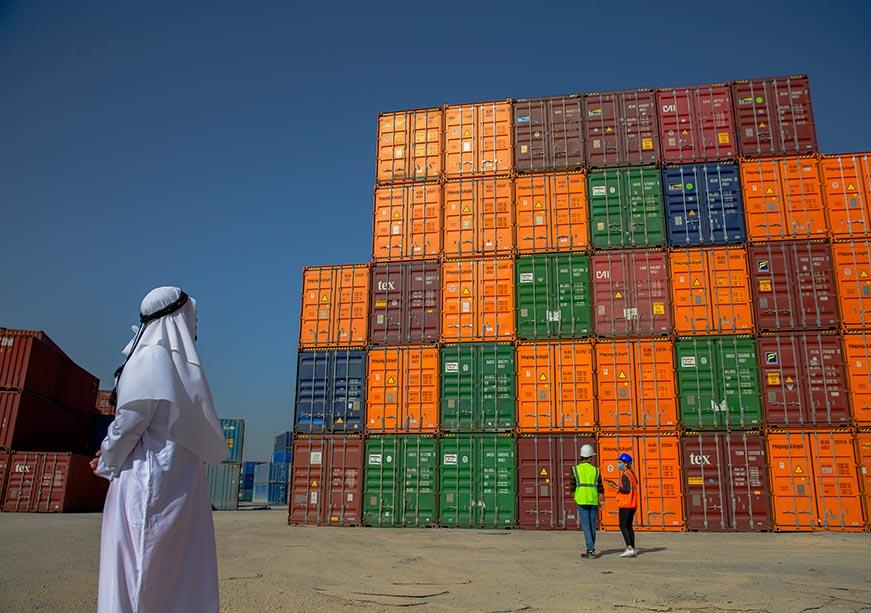
International shipping depends on accurate documentation and timely communication. Importers need the correct documents to collect their goods after a vessel arrives at the destination port. However, sometimes the cargo arrives before the original bill of lading reaches the importer. This can create a problem because the shipping line may require the original document before releasing the goods.
In such situations, a shipping guarantee may provide a solution. It allows an importer to request cargo release without presenting the original bill of lading, provided the carrier accepts the guarantee and all required conditions are met.
A shipping guarantee can help businesses avoid unnecessary delays, storage expenses, and other costs associated with waiting for documents. However, it also creates important legal and financial responsibilities. Importers should understand how it works before requesting one.
A shipping guarantee is a formal undertaking, usually issued by a bank in favour of a shipping line or carrier, that helps an importer obtain cargo without presenting the original bill of lading.
The guarantee protects the carrier against certain claims or liabilities that may arise from releasing the goods without the original document. The importer usually requests the guarantee through its bank and agrees to meet the bank's conditions.
For example, a company in the UAE imports industrial equipment from China. The vessel reaches Jebel Ali Port, but the original bill of lading is still being processed by the seller's bank. The importer needs the equipment urgently and cannot afford to wait several more days.
The importer may ask its bank to arrange a shipping guarantee. If the bank approves the request and the carrier accepts the guarantee, the goods may be released before the original bill of lading arrives.
The exact procedure depends on the bank, carrier, shipment terms, and applicable law. A shipping guarantee does not automatically give an importer the right to collect goods. The carrier must agree to accept it and confirm that the relevant requirements have been satisfied.
A shipping guarantee is mainly used when the cargo reaches its destination before the original shipping documents.
In international trade, documents may pass through several parties. The exporter may send them to its bank, which then forwards them to the importer's bank. The importer may receive the documents only after completing payment or meeting other conditions.
Meanwhile, the vessel continues its journey. If the voyage is shorter than the time required to process and deliver the documents, the cargo may arrive first.
This situation can create pressure for the importer. The goods may remain at the port while the importer waits for the original bill of lading. Storage charges and other expenses may increase during the delay.
A shipping guarantee can help address this problem by allowing the importer to request early cargo release. It may be particularly useful when the goods are needed for production, retail sales, construction work, or another time-sensitive business activity.
However, the guarantee should not be treated as a routine replacement for proper shipping documentation. It is generally a solution for specific circumstances in which the original document is unavailable and the carrier agrees to an alternative arrangement.
The process usually begins when an importer discovers that the vessel will arrive before the original bill of lading. The importer contacts the shipping line or its agent to confirm whether a shipping guarantee is acceptable for the shipment.
The importer then approaches its bank to request the guarantee. The bank reviews the transaction and determines whether it is willing to issue the required undertaking. This review may include the importer's credit position, available banking facilities, shipment documents, and the bank's internal approval requirements.
The bank may request a copy of the bill of lading, commercial invoice, packing list, and other supporting documents. It may also require the importer to sign an indemnity or provide cash collateral, security, or another form of financial support.
If the bank approves the request, it issues the guarantee in the required form. The guarantee is normally addressed to the relevant carrier or shipping line and must meet that party's conditions.
The carrier reviews the guarantee and decides whether it can release the cargo without the original bill of lading. If the guarantee is accepted and other release requirements are satisfied, the importer may proceed with the collection process.
When the original bill of lading becomes available, the importer must follow the agreed procedure for presenting or surrendering it. The guarantee is then dealt with according to its terms and the carrier's requirements.
The exact process can differ between shipping lines and banks. Importers should confirm the required documents, approval time, security arrangements, and original-document surrender procedure before relying on a shipping guarantee.
A shipping guarantee is most relevant when the original bill of lading has not arrived by the time the cargo reaches the destination port.
One common example is a shipment from a nearby trading partner. The vessel may reach the destination quickly, while the original documents are still moving through the banking system. If the carrier requires the original bill of lading, the importer may need an alternative arrangement to request early release.
Another situation occurs when an importer needs goods urgently for business operations. For example, a factory may be waiting for machine parts to continue production. A delay in collecting the shipment could affect manufacturing schedules and customer orders. If the original bill of lading is unavailable, a shipping guarantee may help the importer request cargo release earlier.
Shipping guarantees may also be considered when goods are subject to time-sensitive commercial arrangements. Perishable or seasonal products, for example, may lose value if the importer cannot access them on time. The importer must still consider whether the carrier accepts a guarantee for that shipment and whether the bank can approve it within the required timeframe.
In every case, the importer should first confirm why the original bill of lading is unavailable and when it is expected to arrive. If the original document can be delivered before the vessel arrives, arranging a guarantee may not be necessary.
A shipping guarantee and a letter of indemnity are related concepts, but they are not always the same.
A shipping guarantee is commonly arranged through a bank to support the release of cargo without the original bill of lading. The bank provides an undertaking to the carrier, subject to the guarantee's wording and conditions. The importer usually has separate obligations to the bank under the arrangement.
A letter of indemnity, often called an LOI, is a written undertaking in which one party agrees to protect another party against specified losses or liabilities. In shipping, an LOI may be used in different circumstances, including certain requests involving cargo release or shipping documentation.
The main difference is the structure of the arrangement. A shipping guarantee commonly involves a bank and is used specifically to support cargo release without the original bill of lading. A letter of indemnity may be provided directly by a party to the transaction and can serve different purposes depending on its terms.
Neither document removes every risk. A carrier may refuse an arrangement, and the legal effect of the undertaking depends on its wording, the facts of the transaction, and applicable law.
The documents required for a shipping guarantee depend on the bank and carrier. However, the importer is generally asked to provide enough information to identify the shipment and assess the request.
A copy of the bill of lading is often important because it shows the shipment details and identifies the parties involved. The commercial invoice helps confirm the value and description of the goods, while the packing list provides information about the cargo's contents and quantities.
The bank may also request an importer's application, an indemnity agreement, and supporting financial information. Some banks require cash security or other collateral before issuing the guarantee. The amount and form of security depend on the bank's assessment and policies.
The carrier may have its own required format for the guarantee. It may also request additional information before approving the release. Therefore, importers should not assume that a guarantee prepared for one shipping line will automatically be accepted by another.
It is best to request the carrier's requirements first and share them with the bank. This can reduce the risk of submitting an incorrect guarantee and losing valuable time.
Although a shipping guarantee can help avoid delays, it should not be treated as a risk-free solution.
One important risk is the financial obligation created by the guarantee. If the carrier faces a valid claim connected with the release of the goods, it may seek protection under the guarantee's terms. The bank may then have rights against the importer under their separate agreement.
This means the importer should read the bank's indemnity and related documents carefully. The guarantee may create obligations that continue beyond the date on which the goods are collected.
Another risk arises if the original bill of lading is lost or later presented by another party. The carrier may face competing claims over the same cargo. A shipping guarantee is intended to address certain risks associated with early release, but it does not eliminate every possible dispute.
Importers should also consider the possibility that the carrier will reject the guarantee. If the document does not meet the carrier's requirements or the carrier is not willing to release the cargo without the original bill, the shipment may remain at the port.
The cost of arranging a guarantee is another consideration. Banks may charge fees and require collateral or other security. These costs should be compared with the likely cost of waiting for the original document.
Before proceeding, the importer should understand the guarantee's wording, the bank's requirements, and the carrier's acceptance conditions. Legal or banking advice may be appropriate when the amount involved is substantial or the terms are unclear.
The simplest way to reduce the need for a shipping guarantee is to coordinate shipping documents before the cargo departs.
Importers should ask the exporter when the original bill of lading will be issued and how it will be delivered. The expected arrival date of the vessel should be compared with the expected delivery date of the documents.
Where appropriate, the parties can discuss whether an electronic bill of lading, sea waybill, or another permitted document arrangement would suit the transaction. These options have different legal and operational features, so they should be agreed upon in advance with the carrier, bank, and trading partners.
Importers should also confirm payment terms early. If the original documents are controlled by a bank until payment is completed, the buyer should understand the process and timing before the shipment arrives.
Clear communication between the exporter, importer, bank, shipping line, and freight forwarder can help identify problems before they affect cargo release. Keeping copies of the shipping documents is useful for reference, although copies do not automatically replace originals where the carrier requires them.
For help coordinating shipping documents and cargo movements, businesses can explore the freight forwarding services available at:
https://nobleline.ae/services/freight-forwarding/
A shipping guarantee and customs clearance serve different purposes. A shipping guarantee may help an importer obtain cargo release from the carrier without presenting the original bill of lading. Customs clearance concerns the formal process of declaring goods to the relevant customs authority and meeting the applicable import requirements.
Even if a carrier accepts a shipping guarantee, the importer may still need to submit the commercial invoice, packing list, customs declaration, permits, certificates, and other documents required for the shipment.
Import duties, taxes, inspections, and regulatory approvals may also apply. The importer should confirm these requirements before the goods arrive.
For example, an importer receiving machinery in the UAE may arrange a shipping guarantee because the original bill of lading is delayed. This does not automatically mean the machinery has cleared customs or that all applicable duties have been paid. The importer must still complete the relevant customs procedures and meet the carrier's release conditions.
Planning these processes together can help reduce delays. Importers should coordinate with their bank, carrier, and customs representative to understand which requirements have been completed and which remain outstanding.
A logistics provider can help coordinate the documentation and communication needed for international shipments. This may include tracking the shipment's expected arrival, checking whether documents have been issued, communicating with the carrier, and helping the importer understand the steps required for cargo release.
Early coordination is especially useful when the original bill of lading is delayed. The logistics provider can help the importer identify the issue and contact the relevant parties before port storage costs begin to increase.
However, a logistics provider cannot guarantee that a bank will issue a shipping guarantee or that a carrier will accept it. Those decisions depend on the parties involved and the applicable contractual requirements.
Noble Line Logistics LLC supports businesses with freight coordination, shipping documentation, and customs-related logistics requirements. Importers should confirm the specific services available for their shipment and obtain the carrier's requirements before arranging a guarantee.
A shipping guarantee is a formal undertaking, commonly arranged through a bank, that may allow an importer to collect goods without presenting the original bill of lading. It is most useful when the cargo arrives before the original shipping documents and waiting for those documents could create costly delays.
The guarantee can help businesses keep goods moving, but it also involves financial and legal responsibilities. The bank must approve the arrangement, the carrier must accept the guarantee, and the importer must follow the agreed conditions for presenting or surrendering the original bill of lading.
Before requesting a shipping guarantee, importers should compare the cost of arranging one with the cost of waiting for the original document. They should also check the guarantee's terms, confirm the carrier's requirements, and ensure that customs clearance can proceed separately.
Good planning and early communication remain the best ways to reduce documentation problems. When a delay does occur, understanding the shipping guarantee process helps importers make a more informed decision and manage cargo release with greater confidence.