English
 Arabic
 French
 Spanish
 Portuguese
 Deutsch
 Turkish
 Dutch
 Italiano
 Russian
 Romaian
 Portuguese (Brazil)
 Greek
ESG Investment Strategies & Compliance Certification: A Guide to Sustainable Finance
Other |
2026-10-27 13:44:54
Have you ever come across someone who seems extremely similar to you? Perhaps you know two people who have never met but who can be easily mistaken for twins? Similarities between faces are sometimes really amazing. They can occur because of people’s resemblance in eye shape and color, nose, face shape, and smile.
What is it that causes people to look alike? Why does it happen? There might be many reasons behind that phenomenon. To understand better why it happens, we need to study the science of facial similarity.
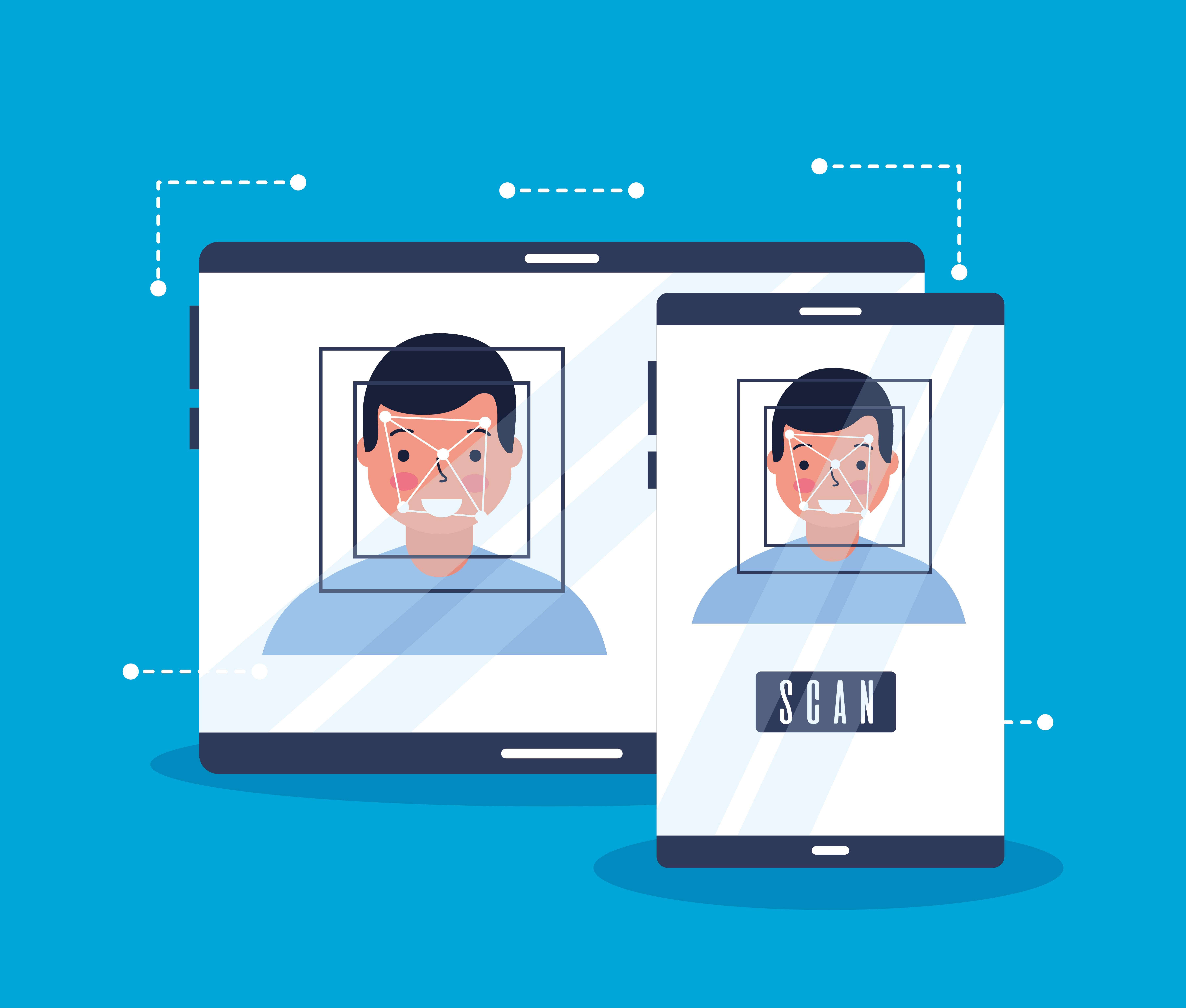
An AI facial matching app is software designed to compare faces in photographs. Instead of judging a face exactly as a person would, the system analyzes measurable characteristics.
Depending on the application, these can include:
Distance and proportions between facial landmarks
Shape of the eyes, nose, mouth, and jaw
Overall facial structure
Relative positioning of different features
The system converts these characteristics into numerical representations and compares them. The final result may appear as a similarity percentage, score, or visual comparison.
Importantly, a similarity score does not automatically prove that two people are related. It simply describes how closely the analyzed facial patterns match according to that system.
Facial resemblance occurs from genetic and anatomical factors as well as variations in nature. All faces have a similar anatomical structure; however, there are differences in the shape of the various bones and thickness of the skin and underlying tissues, which give individual faces their distinctive appearance.
Genetics plays an important role in determining features such as the shape of the eyes, the structure of the nose and the cheekbones, and the shape of the jaw. For this reason, relatives usually share some or all of these features.
However, a person can have similar features to another person that they are not related to. For example, they can both have eyes of a similar shape and size, a similarly shaped nose and chin.
Individual characteristics are further enhanced by unique expressions. These differences can also be observed in photos, which give an even greater impression of resemblance than in person.
A face matching app analyzes facial features in photographs and compares their similarities. The results depend on image quality, lighting, camera angles, and the technology used. Readers interested in trying this type of comparison can download the face recognition app to examine visible similarities between photos.
It includes a series of three stages as follows:
Face detection: This identifies the face in each photo.
Feature analysis: The application assesses features such as the spacing of the eyes, nose size, and jaw shape, among others.
Similarity comparison: This stage compares the patterns and gives a score of similarity.
In the case of an artificial intelligence facial matching app, it can use machine learning to recognize complex patterns that cannot be easily measured manually.
However, the output depends on several factors, such as the quality of images, lighting, angles, and the expression. For instance, two images taken from different situations might give different results, yet the images are of the same person.
When using a face comparison app, examine individual characteristics and don’t over-rely on “gut feelings.” For example, instead of examining the overall shape of the nose, consider the width of the nose, the shape of the nose bridge, and how all of that relates to the overall face.
Other characteristics to examine include
Eye spacing: the distance between eyes and the shape of the eyelids and eyebrows.
Jawline and chin: the shape of the lower jaw and the chin
Lip shape: how the mouth compares in width and the proportions of the lips
Overall shape of the face: how long or how square the face is
To ensure the best comparison, use photographs that have similar angles and are taken with a neutral expression. Don’t make judgments based on a single feature. For example, not everyone with a pointy chin has a resemblance to Billy Joel.
No. Just because people resemble each other visually does not mean that they are genetically related to each other.
The appearance of a face is determined by many genes and environmental factors. Unrelated people might resemble each other physically, whereas people related genetically could differ greatly in their looks.
A face recognition app finds common features in two images, but it is not a DNA test that can prove or disprove the fact of genetic relation. It cannot show parent-child or sibling relations or prove ancestry.
If someone needs to establish a biological relationship, DNA testing is necessary. Physical likeness can be intriguing, but it should not be taken as genetic proof. Facial comparison tools, including the one associated with Face DNA Test, allow users to examine visible similarities between photographs. Users can also find information about how to download the face recognition app for photo comparisons.
Two individuals can appear identical due to similarities in genetic make-up, facial features, or naturally occurring variations. The facial match software can be of great assistance in determining these similarities; however, it is only effective based on the quality of images and software used.
Should you be interested in examining how identical two individuals are based on their looks, begin with high-quality pictures and examine various features instead of judging by the looks only. Use the facial comparisons as an exercise in visual similarities and perform the DNA testing when necessary.