English
 Arabic
 French
 Spanish
 Portuguese
 Deutsch
 Turkish
 Dutch
 Italiano
 Russian
 Romaian
 Portuguese (Brazil)
 Greek
Targeted Anti-Fibrotic Pharmacotherapies and Regenerative Lymphangiogenesis Innovations
Health |
2026-10-16 05:17:43
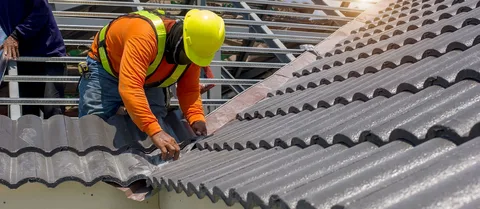
A White County attic inspection should take place at least twice a year, once in spring and once in fall, with an extra check after any severe storm. The attic shows early signs of roof leaks, poor ventilation, moisture, and pest entry before they become visible in the rooms below. Gutters, skylights, and interior walls follow a similar seasonal rhythm. This calendar explains what to examine in each season, why it matters in East Tennessee’s humid climate, and when to call a professional. Storm Roofing TN prepared it as a practical guide for local homeowners.
Schedule a White County attic inspection in spring and fall, and after hail or high wind.
Spring is the time to check the roof and attic for winter damage.
Summer calls for ventilation checks, skylight review, and exterior paint repair.
Fall is the time to clean gutters and look for early moisture or mold in the attic.
Winter is best for monitoring condensation and repairing interior drywall and paint.
Small repairs made on schedule usually cost far less than emergency repairs.
A home maintenance calendar is a planned list of inspections and repairs assigned to specific times of the year. Its purpose is to match each task to the weather conditions that make it most useful or most necessary. In White County, Tennessee, the climate brings hot, humid summers, wet springs, and cold winters with occasional freezing rain. Each of these conditions places a different kind of stress on a house.
The calendar below is organized by season. Each section names the main areas to inspect and explains what to look for.
Spring is the best time to learn what the cold months did to a house. Freezing and thawing can loosen shingles, crack sealants, and push water into small gaps.
Begin with the attic. On a dry day, bring a flashlight and look at the underside of the roof deck. Dark stains, damp insulation, or daylight showing through boards are signs of a leak. Check the area around chimneys and vent pipes, since these are common points of water entry.
What should a spring attic inspection include? A spring attic inspection should include the roof deck, insulation, vents, flashing, and any signs of pests. The inspector looks for moisture, staining, compressed insulation, and blocked airflow. A professional White County attic inspection covers each of these items and records the findings so that repairs can be planned in order of importance.
Spring rain can overload a gutter that is clogged with winter debris. Look for sagging sections, loose hangers, and standing water. Make sure downspouts carry water at least four to six feet away from the foundation. Homeowners who prefer not to climb a ladder can arrange gutters services in White County to clean, realign, or replace damaged sections.
Summer heat can raise attic temperatures well above 130 degrees Fahrenheit. Without proper ventilation, that heat shortens the life of shingles and raises cooling costs.
Check that soffit vents are open and that ridge or gable vents are free of nests and debris. Insulation should not cover the soffit openings. Balanced airflow lets hot air leave and cooler air enter, which also limits the humid conditions that encourage mold.
Skylights are useful sources of daylight, but they are also a frequent point of leakage. In summer, inspect the glass or acrylic for cracks and the seals for gaps or hardening. Look at the ceiling below for faint rings or discoloration. If a skylight shows fogging between panes, the seal has probably failed. Those who need repair or replacement can look into skylights services in White County for a proper evaluation of flashing and fit.
Summer is the best time for exterior paint work because dry, warm days allow coatings to cure well. Look for peeling, blistering, or bare wood on trim and fascia boards. Exposed wood absorbs water and will rot if left alone.
Fall is the most important season for preventive work. Whatever is repaired now will face the winter in better condition.
Once most leaves have dropped, clean the gutters thoroughly. Flush the downspouts with a hose to confirm that water flows freely. Replace any seams that leak. Clogged gutters can cause water to back up under the shingles and into the fascia and attic.
Return to the attic in fall to look for moisture that built up during the humid months. Pay attention to the north-facing roof slope, bathroom exhaust ducts, and areas near insulation that appears darker than the rest.
What does attic mold look like? Attic mold usually appears as black, gray, green, or white patches on wood sheathing, rafters, or insulation. It may have a musty smell. White fuzzy growth is sometimes confused with mineral deposits, so a trained eye is useful.
Homeowners looking for an attic mold inspection orange white county service should ask for a written report that identifies the source of moisture, since removing the mold without correcting the cause allows it to return. The attic inspection page from Storm Roofing TN describes how such an evaluation is carried out.
Winter limits outdoor work, but it is a good time to watch for problems that cold weather reveals.
When warm indoor air rises into a cold attic, it can condense on the underside of the roof deck. Frost on nails or damp insulation suggests that air is leaking from the living space or that ventilation is poor. Seal gaps around light fixtures, attic hatches, and pipes, and confirm that insulation is evenly distributed.
Ceiling stains, cracked seams, and bubbling paint often point to a past or present leak. Winter is a good time to examine these signs and to complete interior repairs. Because water damage must be stopped at its source before any cosmetic repair, the order of work matters. Once the roof or plumbing issue is resolved, painting and drywall services in White County can restore damaged ceilings and walls to a clean finish.
|
Season |
Primary Focus |
Main Items to Check |
|
Spring |
Winter damage |
Roof deck, flashing, insulation, gutters |
|
Summer |
Heat and sealing |
Attic vents, skylights, exterior paint |
|
Fall |
Preparation |
Gutter cleaning, attic moisture, mold signs |
|
Winter |
Monitoring |
Condensation, ceiling stains, drywall repair |
How often should an attic be inspected? An attic should be inspected twice a year, in spring and fall. An additional inspection is advised after hail, high winds, or a fallen tree.
When should gutters be cleaned in Tennessee? Gutters should be cleaned in late spring and again in late fall. Homes surrounded by trees may need a third cleaning.
How can a homeowner tell that a skylight is failing? Common signs include water stains on the nearby ceiling, condensation between panes, cracked seals, and drafts around the frame.
Many of the tasks above can be done safely by a careful homeowner, such as looking into the attic from the hatch or checking ceilings for stains. Work on a steep roof, inspection for suspected mold, and repairs to flashing should be left to trained crews. A professional has the equipment, safety training, and experience to find the cause of a problem and not only its symptoms.
Costs vary by the size of the home, the roof pitch, and the extent of damage, so a written estimate after an on-site visit is the most reliable way to learn the price of any repair. Regular inspections generally lower long-term expense because they find small faults early.
Storm Roofing TN serves homeowners across the region with roofing and related exterior and interior services. The company’s work includes attic evaluation, gutter service, skylight repair, and painting and drywall restoration. Homeowners may visit the Storm Roofing TN website to learn more about available services or to request an inspection.
The price depends on the size of the attic, ease of access, and whether moisture or mold testing is included. A basic visual inspection is usually the least costly option. Contact a local contractor for a written estimate.
Signs include active dripping, sagging roof decking, strong musty odors, widespread dark staining, and visible mold growth. Pest activity and damp insulation also call for prompt review.
Some molds can irritate the eyes, nose, and lungs, especially in children, older adults, and people with asthma or allergies. The risk depends on the type and amount of growth. A qualified inspector can assess the situation and recommend safe removal.
Yes. When gutters overflow or back up, water can enter under the roof edge and soak the fascia, soffit, and roof deck. Over time this moisture can reach the attic and cause mold or rot.
Yes. Skylights should be examined at least once a year for seal condition, flashing integrity, and signs of leakage. Early repair of a small gap prevents larger ceiling damage.
Stop the source of water first. Next, dry the affected area and treat any mold. Then repair insulation and drywall, and finish with paint. Reversing this order often leads to repeated damage.
Storm Roofing TN provides these services to local homeowners. Details are available on the company website, and information about attic evaluations can be found on the