English
 Arabic
 French
 Spanish
 Portuguese
 Deutsch
 Turkish
 Dutch
 Italiano
 Russian
 Romaian
 Portuguese (Brazil)
 Greek
Accelerating Industrial Robotics Investments and Smart Factory Automation Driving Global GMC Expansion
Networking |
2026-10-14 07:13:39
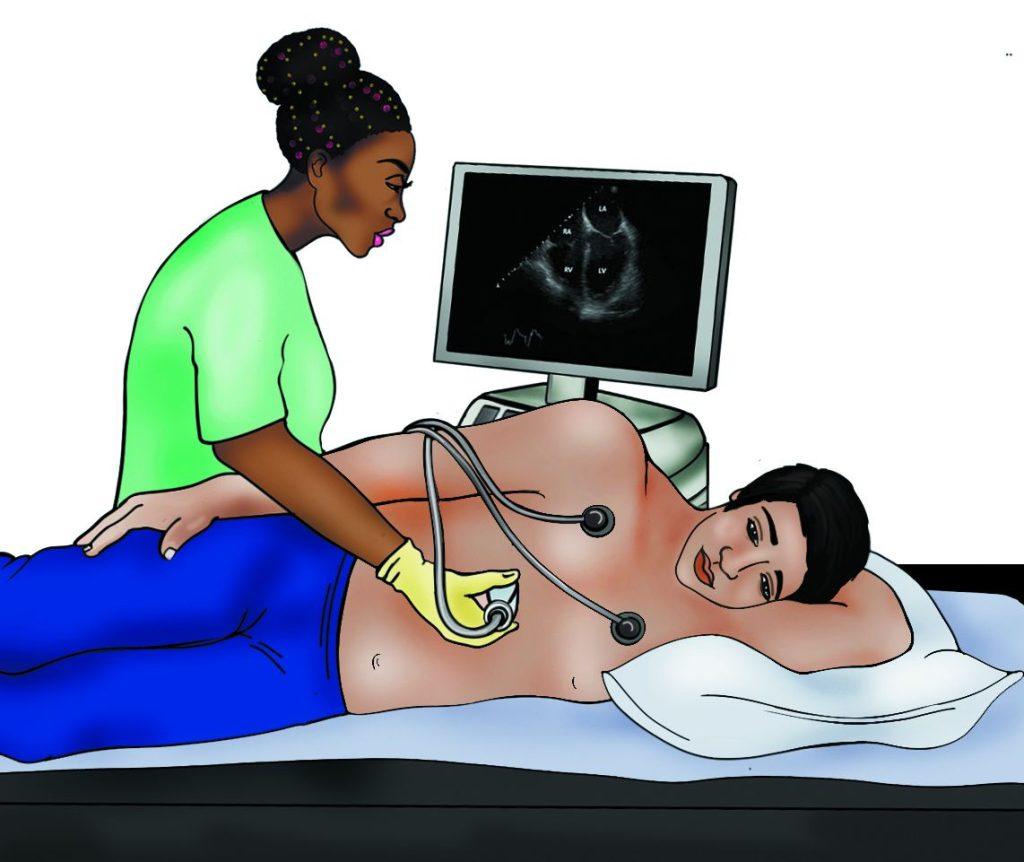
Radiology is an important field of modern healthcare that uses medical imaging technologies to help doctors diagnose, monitor, and manage different diseases and injuries. The radiology scope in Pakistan is an important topic for students who want to pursue a career in medical sciences without necessarily becoming a physician.
Medical imaging plays a vital role in hospitals, diagnostic laboratories, emergency departments, and specialized healthcare centers. Technologies such as X-rays, CT scans, MRI, ultrasound, and mammography help healthcare professionals examine the internal structures of the human body and make informed clinical decisions.
As healthcare facilities continue to use advanced diagnostic equipment, trained medical imaging professionals are essential for providing safe and effective imaging services. Students can explore this field through programs such as BS Medical Imaging Technology, BS Radiology Technology, and other recognized radiography and imaging qualifications. Program names and admission requirements vary by institution.
Radiology is a medical specialty that uses imaging techniques to examine the human body. These techniques help healthcare professionals identify injuries, detect abnormalities, monitor diseases, and guide certain medical procedures.
Radiology includes different imaging technologies, each designed for particular diagnostic purposes.
X-rays are commonly used to examine bones, identify fractures, and investigate certain chest conditions. X-ray imaging is widely available in hospitals and diagnostic centers throughout Pakistan.
Radiology technologists receive training in patient positioning, equipment operation, image quality, and radiation protection.
Ultrasound uses sound waves to create images of internal organs and other body structures. It is commonly used in abdominal examinations, pregnancy-related assessments, and several other diagnostic procedures.
Professionals working in ultrasound require appropriate education, practical training, and authorization for the procedures they perform.
Computed tomography, commonly called a CT scan, combines X-ray measurements to produce detailed cross-sectional images of the body.
CT imaging is especially useful in emergency care, trauma assessment, and the examination of various medical conditions.
Magnetic resonance imaging uses strong magnetic fields and radio waves to produce detailed images of internal body structures.
MRI is frequently used to examine the brain, spine, joints, muscles, and soft tissues. MRI technologists must understand equipment safety, patient preparation, and imaging protocols.
Mammography is a specialized imaging technique used in breast examination. Fluoroscopy produces moving X-ray images that help clinicians observe certain internal processes and perform image-guided procedures.
These specialized areas offer additional professional development opportunities for appropriately trained imaging professionals.
Students interested in radiology should understand the difference between becoming a medical radiologist and becoming a medical imaging technologist.
BS Medical Imaging Technology is a common undergraduate pathway for students interested in operating medical imaging equipment and supporting diagnostic services.
The program generally takes four years and combines theoretical study with supervised clinical training. Students may study anatomy, physiology, medical imaging physics, radiographic procedures, patient care, radiation protection, and advanced imaging techniques.
Graduates can pursue relevant positions in hospitals, diagnostic centers, and other healthcare organizations, subject to professional requirements and employer criteria.
Some institutions offer programs under the title BS Radiology Technology or similar names. These programs focus on developing technical knowledge and practical skills in medical imaging.
Before applying, students should verify the program's recognition, curriculum, clinical training arrangements, and relevant professional registration requirements.
Some universities offer an Associate Degree Program in Radiography and Imaging Technology. Such programs may provide foundational education and practical training in diagnostic imaging.
Students should compare the program's duration, eligibility, recognition, and employment outcomes before selecting it. An associate degree should not automatically be assumed to have the same academic or professional standing as a four-year bachelor's degree.
Certain institutions and training systems offer intermediate-level or diploma qualifications related to medical imaging.
Eligibility, duration, and recognition vary by program. Students should confirm whether a qualification is accepted by the relevant employer and professional authority before enrolling.
Students interested in medical imaging usually need to complete an appropriate intermediate qualification before applying to a bachelor's degree program.
Many universities require FSc Pre-Medical or an equivalent qualification, often with a specified minimum percentage. However, exact requirements differ between institutions.
Common admission requirements may include:
Matriculation and intermediate academic certificates.
The required minimum marks.
Biology or other specified subjects, depending on the program.
An entry test or interview, where applicable.
Submission of identification documents and completed admission forms.
Students should review the latest admission policy of their chosen university instead of assuming that every institution follows identical requirements.
The radiology scope in Pakistan includes several career pathways for qualified professionals who develop appropriate technical skills and clinical experience.
Radiology technologists perform diagnostic imaging procedures according to established protocols. Their responsibilities can include preparing patients, positioning them correctly, operating imaging equipment, and maintaining image quality and safety.
They work under the relevant clinical and professional guidelines.
CT scan technologists work with computed tomography equipment to produce diagnostic images. This role requires specialized training in scanning procedures, patient preparation, image acquisition, and radiation protection.
MRI technologists operate MRI equipment and help patients prepare for examinations. They must understand MRI safety procedures, screening requirements, and imaging protocols.
Additional training and practical experience can help professionals develop expertise in this area.
Qualified ultrasound professionals perform ultrasound examinations within their authorized scope of practice. Depending on their training and employer requirements, they may work in general imaging, abdominal examinations, or other specialized areas.
Interventional radiology uses medical imaging to guide certain minimally invasive procedures. Appropriately trained technologists may assist clinical teams with equipment preparation, patient positioning, and imaging support.
Medical equipment companies employ professionals to support the installation, demonstration, operation, and technical use of imaging systems.
With suitable experience and additional training, imaging graduates may explore roles such as clinical application specialist or equipment support professional.
Professionals who pursue further education and meet institutional requirements may work in teaching, research, or academic support roles.
These pathways can be suitable for individuals interested in medical imaging education and the development of diagnostic technologies.
Both government and private healthcare institutions use medical imaging services.
Government hospitals may recruit imaging professionals through advertised vacancies and applicable recruitment procedures. Private hospitals and diagnostic centers may offer positions based on their staffing needs, qualifications, and practical experience requirements.
Teaching hospitals can provide opportunities for clinical learning, while specialized diagnostic centers may offer exposure to particular imaging technologies.
The Pakistan Institute of Medical Sciences, for example, lists digital X-ray, ultrasound, CT, MRI, mammography, and fluoroscopy among its radiology services. This illustrates the range of imaging technologies used in major healthcare institutions.
However, the availability of jobs depends on location, employer requirements, experience, and recruitment conditions. Students should not assume that completing a qualification guarantees immediate employment.
Salary is an important consideration when selecting a career. However, earnings in radiology vary considerably according to qualifications, experience, specialization, city, employer, and working hours.
Entry-level professionals may earn less than experienced technologists who have developed expertise in advanced imaging procedures.
Several factors can influence earning potential:
Qualification: The level and recognition of the completed program can affect eligibility for particular positions.
Experience: Practical experience and familiarity with clinical workflows may improve employment prospects.
Specialization: Expertise in CT, MRI, or other specialized imaging areas may be valuable to employers.
Employer: Government hospitals, private hospitals, and diagnostic centers may offer different salary packages.
Location: Compensation can differ between major cities and smaller communities.
Additional skills: Patient communication, radiation safety, digital imaging systems, and quality assurance can strengthen a professional profile.
Students should check current job advertisements and compare the salary packages offered for positions matching their qualifications. Any salary estimate should be treated as approximate rather than a guaranteed income.
The future of medical imaging in Pakistan is connected to developments in healthcare infrastructure, diagnostic technology, and clinical practice.
Digital radiography, modern CT scanners, and advanced MRI systems continue to expand the capabilities of diagnostic departments. Professionals who understand these technologies can improve their technical competence through supervised practice and further training.
Artificial intelligence is increasingly being explored for image analysis, workflow support, and certain diagnostic tasks. Knowledge of digital imaging and emerging technologies may become increasingly useful for medical imaging professionals.
AI supports clinical workflows but does not eliminate the need for trained healthcare professionals, appropriate supervision, and patient-safety procedures.
Cancer centers, cardiac hospitals, trauma units, and other specialized facilities rely on medical imaging for diagnosis and treatment planning.
As these services develop, trained professionals may find opportunities in specialized imaging departments.
Hospitals use digital systems to store, retrieve, and manage medical images. Learning about Picture Archiving and Communication Systems (PACS) and Radiology Information Systems (RIS) can help professionals understand modern imaging workflows.
Qualified imaging professionals may explore international opportunities if they meet the destination country's education, registration, licensing, language, and experience requirements.
International employment is not automatic, and requirements vary by country. Students should research these conditions before planning to work abroad.
Students can strengthen their future prospects by developing technical and interpersonal skills during their education.
Technical knowledge: Understand imaging equipment and standard examination procedures.
Patient care: Communicate clearly and treat patients with respect and compassion.
Attention to detail: Follow imaging protocols and maintain accurate records.
Radiation safety: Understand protective measures and safe imaging practices.
Teamwork: Cooperate effectively with radiologists, physicians, nurses, and other healthcare staff.
Digital literacy: Become familiar with relevant imaging software and hospital information systems.
Continuous learning: Stay informed about new technologies, clinical procedures, and professional requirements.
These skills contribute to safe patient care and professional development.
Understanding this distinction is essential when choosing a career.
A radiologist is a medical doctor who completes medical education and specialized postgraduate training in radiology. Radiologists interpret medical images and may perform image-guided procedures according to their specialty and training.
A radiology or medical imaging technologist is an allied health professional trained to perform imaging procedures, operate equipment, position patients, and follow imaging safety protocols.
Completing a BS Medical Imaging Technology or BS Radiology Technology degree does not, by itself, qualify someone to become a medical doctor or radiologist.
Students should choose their educational pathway according to the role they want to pursue.
Choosing the right educational institution is an important step in planning a healthcare career. Riphah International College is an option students can consider when exploring intermediate education and preparing for further studies.
Students interested in radiology should first identify the intermediate subjects required by their preferred medical imaging programs. Many bachelor's programs require FSc Pre-Medical or an equivalent qualification.
Before choosing a campus, students should confirm the available programs, admission requirements, academic support, facilities, and fee structure. They should also research recognized universities that offer medical imaging degrees and provide suitable clinical training.
A well-planned educational pathway can help students prepare for further study and develop the foundation needed for a healthcare career.
The radiology scope in Pakistan offers several potential pathways for students interested in healthcare technology, diagnostic imaging, and patient care. From X-ray and CT scanning to MRI, ultrasound, digital imaging, and specialized clinical services, medical imaging plays an important role in modern healthcare.
Students can explore programs such as BS Medical Imaging Technology, BS Radiology Technology, and other recognized qualifications according to their academic background and career goals.
For long-term success, students should focus on obtaining a recognized qualification, developing practical skills, gaining supervised clinical experience, and meeting relevant professional requirements. They should also research admission criteria, employment opportunities, and current salary information before making educational decisions.
With suitable education, technical competence, and continuous professional development, medical imaging can provide a meaningful career pathway in Pakistan's healthcare sector.