English
 Arabic
 French
 Spanish
 Portuguese
 Deutsch
 Turkish
 Dutch
 Italiano
 Russian
 Romaian
 Portuguese (Brazil)
 Greek
U.S. Optic Neuritis Market Size, CAGR and Future Growth Outlook - 2033
Other |
2026-11-04 11:30:14
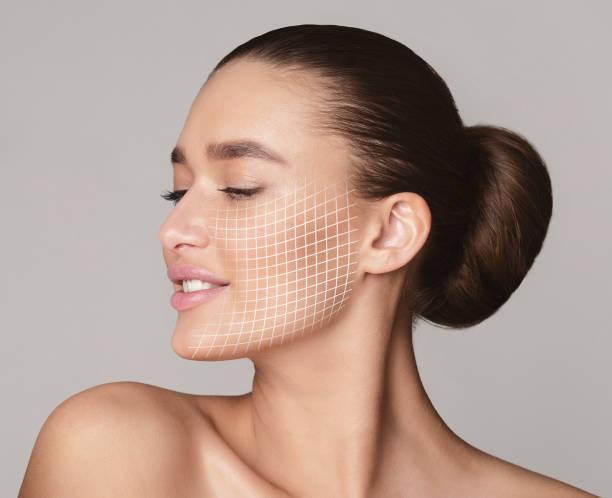
Facial aging is a natural process that gradually affects skin texture, elasticity, volume, and overall facial structure. As the years pass, collagen and elastin production decreases, making the skin less firm and more vulnerable to sagging. Changes in facial fat distribution and underlying tissue support can also affect the cheeks, jawline, and chin. These developments may cause the face to lose its youthful definition and appear tired. Many individuals explore Facelift in Riyadh to understand how facial rejuvenation procedures can address visible aging concerns while maintaining natural features. Recognizing these changes helps individuals make informed decisions about suitable treatments.
Collagen and elastin are essential proteins that help maintain the skin's structure, strength, and flexibility. Collagen provides support, while elastin allows the skin to stretch and return to its natural position. With age, the production of these proteins gradually declines, affecting the skin's ability to remain firm.
As elastin levels decrease, the skin becomes less flexible and may not return to its original position as easily. This can contribute to loose skin around the cheeks, jawline, and neck.
Reduced collagen production can make the skin appear thinner and less firm. Fine lines, wrinkles, and sagging may become more noticeable as the skin loses some of its natural structural support.
Facial fat contributes to youthful fullness and balanced facial proportions. However, aging can cause changes in the size and position of fat compartments. Some areas may lose volume, while other areas develop a heavier appearance due to tissue descent. These changes can create hollow cheeks, deeper facial folds, and reduced jawline definition. Understanding facial volume changes is important because different concerns may require different rejuvenation approaches.
Facial aging affects individuals differently, but several visible changes commonly develop over time. These changes can influence the overall balance and appearance of the face.
The cheeks may gradually move downward as supporting tissues weaken. This can reduce midface definition and make facial folds more noticeable.
Loose skin and tissue around the lower cheeks can create jowls that affect the natural outline of the jawline. This may make the lower face appear heavier.
Lines around the nose and mouth can become more prominent as facial tissues lose support and gradually descend. These folds may contribute to an aged appearance.
Skin laxity and changes in underlying tissues can affect the appearance of the chin and neck. This may reduce the distinction between the jawline and surrounding areas.
A facelift is a cosmetic surgical procedure designed to improve visible signs of facial aging by repositioning underlying tissues and addressing excess skin. Depending on individual needs, it may improve sagging cheeks, jowls, deeper folds, and reduced jawline definition. Modern techniques focus on supporting deeper facial structures rather than simply pulling the skin tighter. Individuals considering Facelift in Riyadh often want to achieve a refreshed appearance while preserving their natural expressions and facial proportions. A personalized surgical assessment helps determine which areas may benefit from treatment.
Several factors can influence how quickly facial aging becomes noticeable. Genetics plays an important role in determining skin quality and natural aging patterns. Frequent sun exposure can damage collagen and contribute to premature wrinkles. Smoking, inadequate sleep, stress, and inconsistent skincare habits may also affect overall skin health. Although these factors cannot all be controlled, adopting healthy lifestyle habits and protecting the skin from environmental damage can help support its condition over time.
Adults experiencing noticeable skin laxity, sagging cheeks, deeper facial folds, or changes in jawline definition may consider facelift surgery. However, suitability depends on overall health, facial anatomy, skin condition, and individual expectations. A qualified plastic surgeon evaluates these factors before recommending treatment. During consultation, patients should discuss their concerns, expected results, possible complications, recovery requirements, and alternative procedures to make an informed decision.
Recovery following a facelift may involve temporary swelling, bruising, tightness, and discomfort. Patients should follow their surgeon's instructions, attend follow-up appointments, and avoid strenuous activities until medically cleared. Healing times vary, and improvements become more noticeable as swelling gradually decreases. Although surgery can provide long-lasting improvements, it does not stop natural aging. Consistent skincare, sun protection, hydration, and healthy lifestyle habits can help maintain overall skin health.
If age-related changes are affecting your facial shape and firmness, consider arranging a professional consultation at Royal Clinic Saudi. A personalized assessment can help identify your concerns and explain suitable facelift techniques, expected outcomes, recovery requirements, and potential risks. Contact the clinic to discuss your aesthetic goals and explore appropriate facial rejuvenation options.
1. What causes facial firmness to decrease with age?
Reduced collagen, elastin, and changes in supporting tissues contribute to skin laxity.
2. Can aging change the natural shape of the face?
Yes, changes in facial fat and tissue support can affect facial contours.
3. Can a facelift improve sagging cheeks and jowls?
Yes, it can reposition underlying tissues and address excess skin.
4. Does a facelift stop the natural aging process?
No, it improves visible aging signs, but natural aging continues.