English
 Arabic
 French
 Spanish
 Portuguese
 Deutsch
 Turkish
 Dutch
 Italiano
 Russian
 Romaian
 Portuguese (Brazil)
 Greek
Custom Collapsible Rigid Boxes For Modern Retail Packaging Needs
Other |
2026-10-22 13:39:45
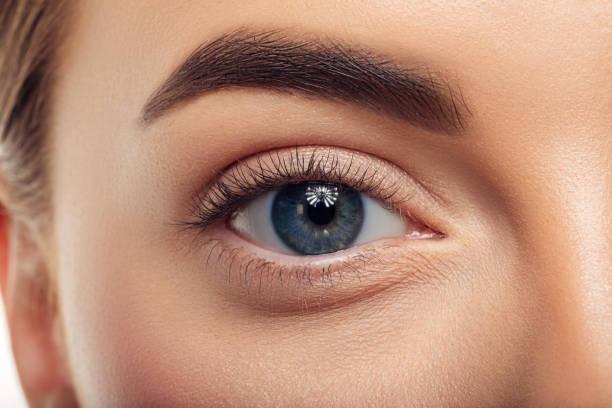
The eyes play an important role in facial beauty, expression, and overall appearance. However, aging, genetics, and environmental factors can gradually contribute to drooping eyelids, loose skin, and persistent puffiness, making the face look tired or older. Eyelid surgery offers a surgical approach to addressing these concerns while maintaining natural facial characteristics. For individuals considering Eyelid surgery in Riyadh (جراحة رأب الجفن في الرياض), understanding the procedure, its benefits, and available treatment options can help them make informed decisions. By improving the contours surrounding the eyes, this procedure aims to create a refreshed appearance while preserving individual facial identity.
A youthful appearance does not always require significant facial changes. Sometimes, improving the delicate area around the eyes can make the entire face look more rested and balanced. Eyelid surgery in Riyadh focuses on correcting concerns such as excess eyelid skin, under-eye bags, and prominent fat deposits through carefully planned surgical techniques. Depending on individual anatomy and aesthetic goals, treatment may involve the upper eyelids, lower eyelids, or both. A personalized consultation helps determine the most appropriate approach while ensuring that the treatment complements the patient's facial proportions.
The skin around the eyes is delicate and can gradually lose elasticity with age. As supporting tissues change, the upper eyelids may begin to droop, while the lower eyelids can develop noticeable bags and loose skin. These changes can create a tired appearance even when someone feels energetic and well-rested. Eyelid surgery addresses selected concerns to improve the overall appearance of this facial area.
Reduces excess skin: Removes or adjusts loose eyelid skin that contributes to a heavy appearance.
Improves under-eye contours: Addresses prominent fat deposits and puffiness.
Creates a refreshed expression: Helps the eyes appear more open and rested.
Supports facial harmony: Aims to maintain natural proportions while improving eyelid contours.
Not everyone experiences the same eyelid concerns. Some individuals notice drooping upper eyelids, while others are primarily concerned about puffiness or loose skin beneath their eyes. Understanding the available surgical approaches helps patients explore which option may address their specific needs.
Upper eyelid surgery, also known as upper blepharoplasty, focuses on removing or repositioning excess skin and, when necessary, adjusting underlying tissue. Drooping upper eyelids can make the eyes appear smaller and create a heavy facial expression. By refining the upper eyelid contour, surgeons aim to create a more open and refreshed appearance. In some cases, excessive upper eyelid skin may also interfere with peripheral vision, making a functional assessment important before treatment.
Lower eyelid surgery addresses under-eye bags, loose skin, and prominent fat deposits that contribute to a tired appearance. Depending on the patient's anatomy, the surgeon may remove or reposition fat and adjust excess skin to create a smoother transition between the lower eyelids and cheeks. The objective is to improve the under-eye area while preserving natural facial characteristics.
Eyelid surgery may be suitable for individuals experiencing visible changes around their eyes who want to improve their appearance through a surgical approach. However, a professional assessment is essential before proceeding.
Visible eyelid concerns: Individuals with drooping skin or persistent under-eye bags may benefit from an evaluation.
Good general health: Candidates should be medically suitable for surgery and anesthesia.
Realistic expectations: Patients should understand the potential improvements and limitations.
Healthy eye condition: Existing eye problems, dryness, or vision concerns should be discussed.
Personalized evaluation: A surgeon assesses eyelid structure, skin quality, and facial proportions.
Understanding the treatment process can help patients feel more prepared for surgery. Although the exact technique varies according to individual requirements, the procedure generally involves consultation, surgical planning, and carefully performed corrections.
The process begins with an examination of the eyelids, surrounding tissues, medical history, and aesthetic concerns. The surgeon determines whether upper eyelid surgery, lower eyelid surgery, or a combination is appropriate. Patients can also discuss their expectations, potential outcomes, and recovery requirements.
The procedure is performed using an appropriate anesthesia plan. Depending on the treatment area, the surgeon makes carefully positioned incisions, often within natural eyelid creases or along the lower eyelid's natural contours. Excess skin may be removed, and underlying fat may be adjusted when necessary. The incisions are then closed with suitable sutures to support healing and minimize visible scarring.
Recovery is an important part of achieving satisfactory results. Patients may experience temporary swelling, bruising, tightness, or mild discomfort around the treated area. These effects generally improve gradually, although recovery timelines differ from person to person. Following the surgeon's instructions can support healing and help reduce the risk of complications.
Protect the eyes: Avoid rubbing or putting unnecessary pressure on the treated area.
Follow medication instructions: Use prescribed medications and recommended eye care products as directed.
Manage swelling: Apply cold compresses only as instructed by the surgeon.
Avoid strenuous activities: Resume exercise and physically demanding activities according to medical guidance.
Attend follow-up visits: Allow the surgeon to monitor healing and address any concerns.
Patients should seek prompt medical attention if they experience sudden vision changes, severe pain, increasing redness, or unusual swelling.
The appearance of the eyes can influence how people perceive their overall facial expression. Excess skin and prominent under-eye bags may create an impression of fatigue that does not reflect how someone actually feels. Eyelid surgery in Riyadh can help address these concerns by refining the eyelid contours and creating a more rested appearance. Although the procedure does not stop natural aging or guarantee identical results for everyone, carefully planned treatment can provide lasting improvements. Maintaining realistic expectations and following appropriate aftercare recommendations are important for long-term satisfaction.
If you are considering improving the appearance of your eyes, a professional consultation is a valuable first step. Royal Clinic Saudi (العيادة الملكية السعودية) provides an opportunity to discuss your aesthetic concerns, understand suitable surgical approaches, and explore a treatment plan based on your individual facial features. Schedule an appointment to learn more about eyelid surgery and take an informed step toward a refreshed appearance.
1. What concerns can eyelid surgery address?
It can improve drooping eyelids, excess skin, and under-eye bags.
2. Can both upper and lower eyelids be treated?
Yes, depending on individual needs and medical suitability.
3. How long does eyelid surgery recovery take?
Initial recovery generally takes one to two weeks.
4. Does eyelid surgery change the natural shape of the eyes?
The goal is to preserve natural eye shape while improving eyelid contours.