English
 Arabic
 French
 Spanish
 Portuguese
 Deutsch
 Turkish
 Dutch
 Italiano
 Russian
 Romaian
 Portuguese (Brazil)
 Greek
Hatta Tour: Explore the Mountains, Lakes, and Natural Beauty of the UAE
Wellness |
2026-11-03 08:24:12
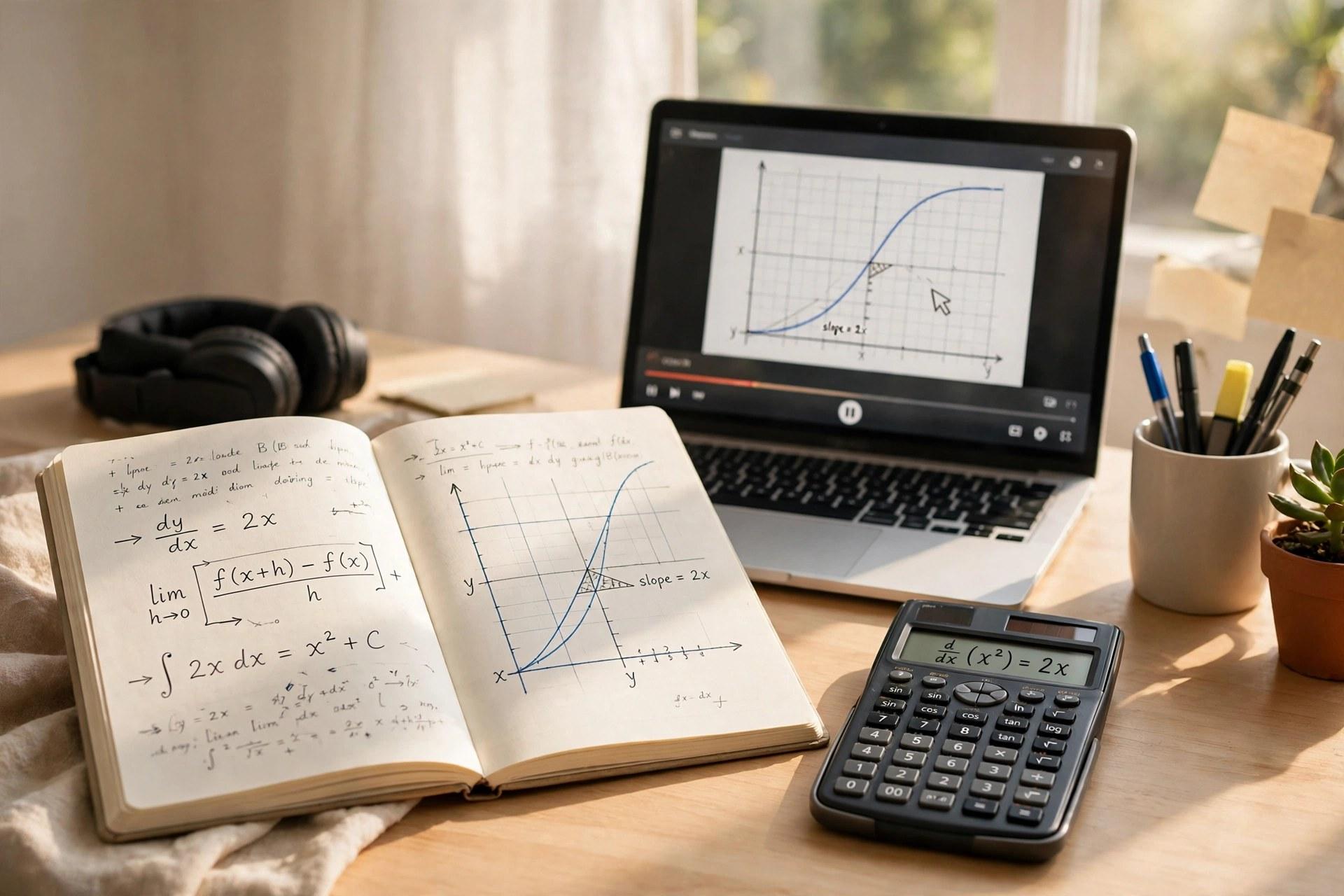
O Level Computer Science has a split personality. Paper 1 rewards learned content: hardware, data representation, logic gates, networks. Paper 2 rewards something else: the ability to look at an unfamiliar problem, break it down, and express a solution in pseudocode or a flowchart. Students who memorise the textbook often ace Paper 1 and freeze on Paper 2, because problem-solving cannot be memorised. It can, however, be trained, and it follows patterns that repeat every session.
Paper 2 problems come in a small family of shapes: input and validation, counting and totalling, searching and sorting through data, string handling, and simple file operations. Each shape has a skeleton solution. A totalling problem always needs an initialised total, a loop, an accumulator and an output. A validation problem always needs a check, an error message and a re-entry. Students who learn to recognise which shape a new problem belongs to stop seeing a blank page and start seeing a familiar frame with new details.
Dry-running code through a trace table is the most under-practised skill in the subject. It is slow, it feels tedious, and it earns marks with mechanical reliability, because the examiner is testing whether the student can follow logic exactly rather than guess outcomes. The routine: one column per variable, one row per change, no skipping. Students who practise trace tables on past questions find their pseudocode improves too, because they start thinking the way the code will actually run.
Working with O Level tutors who set a new unseen problem every session builds exactly this muscle, because the skill only grows on problems the student has not seen before.
Examiners reward structure: declarations before use, clear loop conditions, indentation that shows the logic, and outputs that match what the question asked for. Marks are lost to vague English where pseudocode was required, missing initialisation, and loops that never terminate on paper. A simple habit fixes most of it: before writing the solution, list the inputs, the processing and the outputs in three short lines. Students who plan for sixty seconds write cleaner code than students who start immediately.
In the final term, Paper 2 practice should be weekly and always unseen: one full problem under time pressure, marked against the scheme, with the error log noting whether the loss was logic, structure or carelessness. Pre-release material deserves its own sessions, because the exam problem grows out of it and students who have genuinely worked the scenario walk in with a real advantage.
At Roots Home Tutors, O Level Computer Science is taught one-to-one at home by CNIC-verified subject specialists. Fees are PKR 20,000 to 22,000 per subject per month, with a free 2-day trial and free replacement if the tutor is not a fit.
Why does my child do well in Paper 1 but poorly in Paper 2?
Because the papers test different things. Paper 2 needs problem-solving practice on unseen questions; content revision alone does not build it. Weekly unseen problems are the fix.
Should students learn a real programming language for O Level?
It helps understanding, and many schools use Python, but the exam tests pseudocode and logic. Fluency in the exam's own pseudocode style matters most for the grade.
How much Paper 2 practice is enough?
One unseen problem a week across the final year, marked properly, plus dedicated work on the pre-release material in the final term.