English
 Arabic
 French
 Spanish
 Portuguese
 Deutsch
 Turkish
 Dutch
 Italiano
 Russian
 Romaian
 Portuguese (Brazil)
 Greek
tetracaine Market: Ophthalmic Surface Anesthesia, Topical Dermal Analgesia, and Intranasal Dental Formulations Driving Growth
Wellness |
2026-11-16 07:11:37
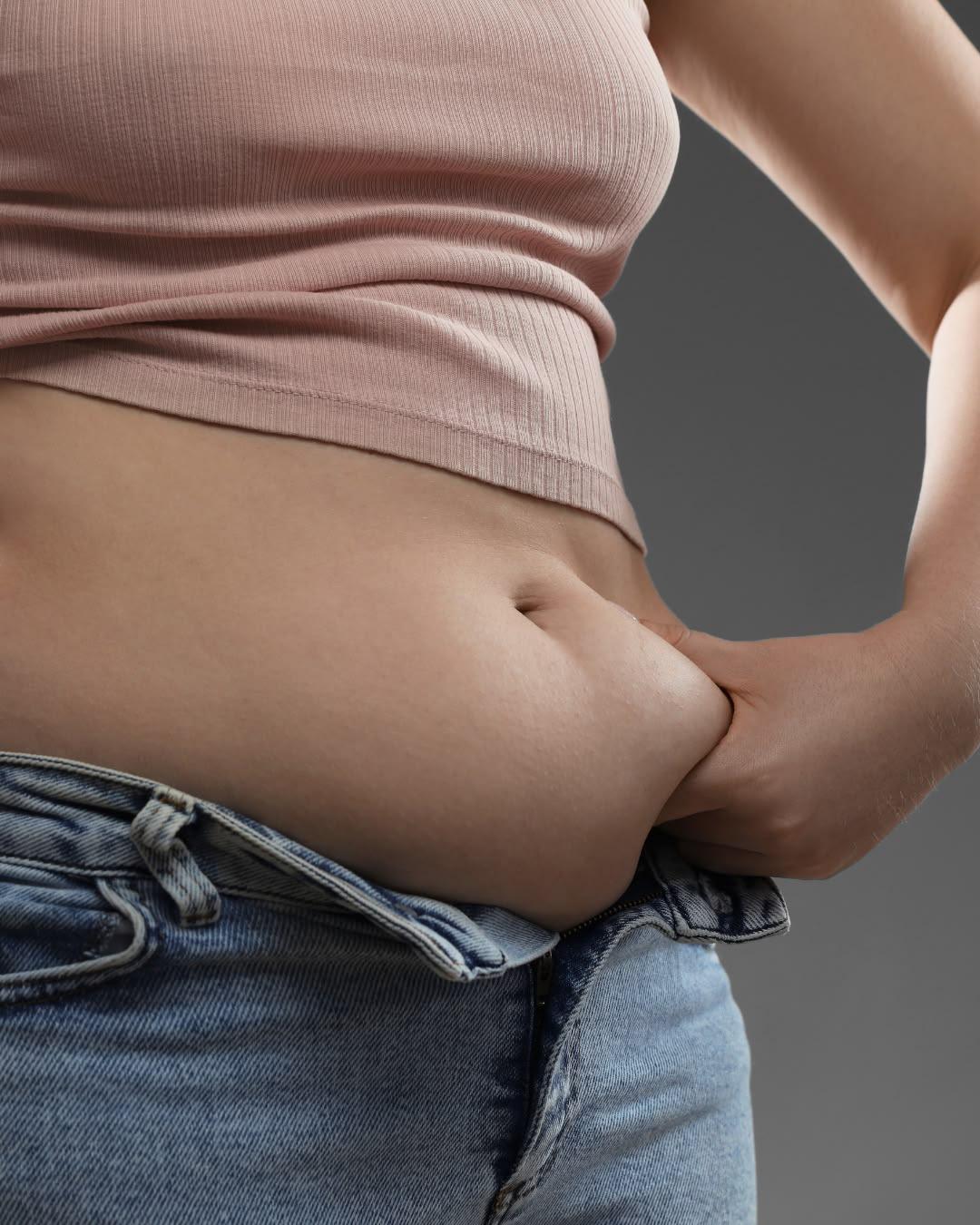
A tummy tuck can help improve abdominal contours by removing excess skin and, when appropriate, tightening weakened abdominal muscles. However, maintaining the results requires an understanding of how future weight changes may affect the treated area.
People exploring abdominoplasty in Islamabad should consider their long-term weight goals before choosing surgery. Understanding the relationship between body weight and abdominal appearance can help patients develop realistic expectations.
The body continues to change after surgery. Weight gain or loss can influence the amount of fat beneath the skin, the appearance of the waistline, and the overall abdominal shape.
Although a tummy tuck removes selected excess skin, it does not prevent future weight fluctuations. Significant changes may affect the remaining tissues and alter the appearance achieved through surgery.
For this reason, surgeons generally recommend considering the procedure when a patient's weight is relatively stable.
Weight gain after a tummy tuck can affect the abdominal area in several ways. Fat may accumulate beneath the skin, increasing abdominal fullness and changing the waistline.
The remaining skin may also stretch as body volume increases. Depending on the amount of weight gained, patients may notice changes in the smoothness and definition of their abdomen.
Small fluctuations do not necessarily destroy surgical results. However, substantial or repeated weight gain can make the original contour less noticeable.
Further weight loss after surgery may reduce abdominal fullness, but it can also create new areas of loose skin.
The amount of change depends on how much weight is lost, the patient's skin elasticity, and individual tissue characteristics.
People who are still planning significant weight reduction should discuss whether surgery should be postponed until their weight goals are reached.
This can help avoid undergoing a procedure before the body has reached a more stable condition.
A stable weight helps surgeons evaluate the abdominal area more accurately. It also makes it easier to plan how much excess skin can be removed and what type of contour may be achievable.
Patients should consider the following before scheduling surgery:
Whether they have reached a sustainable weight.
Whether they expect further major weight loss.
Whether their daily lifestyle supports long-term weight management.
Whether pregnancy or other major body changes are planned.
Whether their nutritional health is suitable for surgery.
The appropriate timing should be discussed with a qualified medical professional.
Long-term results are influenced by everyday habits. Patients can support their overall health by maintaining a balanced diet, staying physically active when medically cleared, and following sustainable routines.
Useful habits include:
Eating balanced meals with suitable portions.
Including protein, vegetables, fruits, and whole grains.
Staying adequately hydrated.
Building a consistent physical activity routine.
Monitoring significant weight changes.
Avoiding extreme dieting practices.
Patients should remember that healthy habits support general wellbeing, but they cannot completely stop natural changes in the body.
Physical activity can play an important role in maintaining a stable weight. However, patients must allow adequate time for surgical healing before returning to exercise.
During early recovery, the surgeon may recommend gentle walking while restricting strenuous activities.
Abdominal exercises, heavy lifting, and intense workouts should only resume after medical clearance. Starting too early can place unnecessary stress on healing tissues.
Once fully recovered, patients can gradually develop an exercise routine suited to their fitness level and medical needs.
Pregnancy can stretch abdominal skin and affect the muscles, potentially changing the results of a tummy tuck.
People who are considering future pregnancies should discuss timing with their surgeon before undergoing surgery. In many cases, postponing the procedure until family planning is complete may be worth considering.
Other major changes in body weight can also influence abdominal contours. Discussing future plans during consultation helps establish whether the timing is appropriate.
Not every patient who experiences weight changes will need another operation. The decision depends on the extent of the changes, the condition of the remaining skin, and the patient's concerns.
Some individuals may simply notice differences in abdominal fullness. Others may develop additional loose skin following significant weight loss.
Revision surgery should only be considered after a detailed medical assessment. A surgeon can explain whether further treatment is appropriate and discuss its potential risks.
A tummy tuck can create a more defined abdominal appearance, but it does not permanently freeze the body's shape.
Ageing, genetics, hormonal changes, pregnancy, and weight fluctuations can all influence the abdomen over time.
Patients should view surgery as one part of a broader approach to body contouring rather than a replacement for healthy lifestyle habits.
Understanding these limitations can help individuals make more informed decisions and appreciate their results realistically.
People considering abdominal contouring can discuss their weight goals and long-term expectations at Enfield Royal Clinic. A consultation can help assess surgical suitability, explain possible outcomes, and identify the best time to consider treatment.
Patients should ask how future weight changes may affect their results and what lifestyle considerations are important after surgery.
Future weight changes can influence the appearance of the abdomen after a tummy tuck. Significant weight gain may increase abdominal fullness, while substantial weight loss can create additional loose skin.
Maintaining a stable weight, following medical advice, and adopting sustainable health habits can help patients support their long-term results. Careful planning before surgery is equally important for achieving realistic expectations.