English
 Arabic
 French
 Spanish
 Portuguese
 Deutsch
 Turkish
 Dutch
 Italiano
 Russian
 Romaian
 Portuguese (Brazil)
 Greek
Understanding China Visa Applications for UAE Residents
Other |
2026-11-09 14:45:36
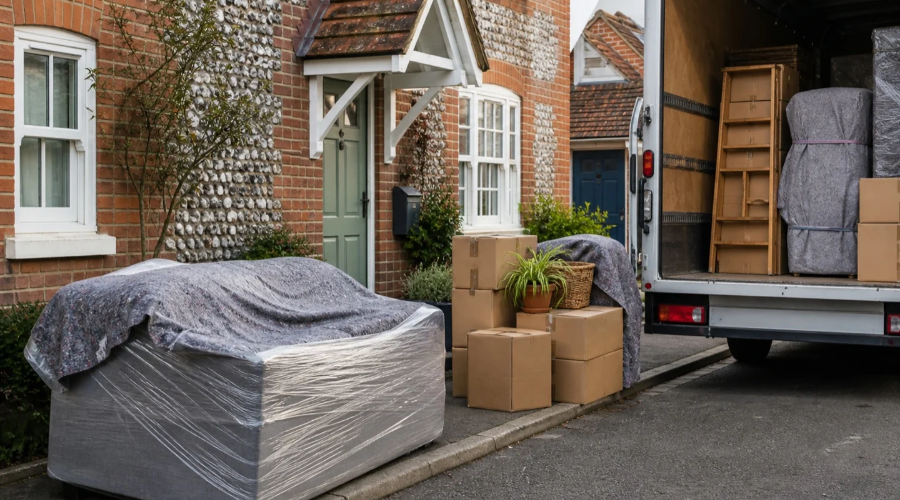
Moving heavy furniture is one of the most challenging parts of preparing for a house move. Large items such as sofas, wardrobes, dining tables and beds can be difficult to lift, carry and transport. Without proper preparation, you may damage your furniture, scratch floors or injure yourself while trying to move bulky belongings.
Fortunately, the right equipment and a little planning can make the process more manageable. Whether you are moving furniture between rooms or preparing for a complete house relocation, following safe handling techniques can help protect your belongings and your property. Here are some practical tips to make moving heavy furniture easier and safer.
Before lifting anything, decide how you will move each furniture item from its current position to the removal vehicle. Measure large items and check whether they can pass through doorways, hallways and staircases. Pay particular attention to tight corners, narrow entrances and low ceilings that may create difficulties.
Remove obstacles such as rugs, shoes, boxes and loose cables from the route. Make sure doors can open fully and that there is enough space for people to carry the furniture safely. Planning ahead helps prevent sudden movements, unnecessary lifting and damage to walls or door frames.
Removing unnecessary weight makes furniture easier to handle. Empty wardrobes, cupboards, drawers and cabinets before attempting to move them. Take out removable shelves, cushions and other loose components that could fall during transportation. Keep these items separate so they do not create additional risks.
Where possible, dismantle furniture according to the manufacturer's instructions. Removing table legs, wardrobe doors and bed frames can make bulky items easier to carry through narrow spaces. Place screws, bolts and other fittings in labelled bags so they can be found easily when you need to reassemble the furniture at your new home.
Suitable equipment can reduce physical effort and help prevent damage during a move. Rather than relying entirely on your strength, consider using tools designed to support heavy loads and improve control. Always choose equipment that is suitable for the furniture, flooring and access conditions.
Some useful moving equipment includes:
Furniture sliders: Help move heavy items across suitable floors with less effort.
Moving dollies: Provide a wheeled platform for transporting bulky furniture.
Sack trucks: Help move certain heavy appliances and suitable household items.
Lifting straps: Can assist trained users when handling compatible loads.
Moving blankets: Protect furniture surfaces from scratches and knocks.
Protective gloves: Improve grip and protect hands while handling furniture.
Check that equipment is in good condition and follow its instructions before use.
Incorrect lifting can put unnecessary pressure on your back, shoulders and arms. When handling furniture, assess its weight and shape before attempting to lift it. Keep your feet stable, bend your hips and knees, and hold the item close to your body. Avoid twisting your back while carrying a heavy load.
If you are working with another person, agree on a lifting signal and communicate throughout the movement. Both people should understand when to lift, turn and lower the furniture. Move slowly and avoid sudden movements that could cause someone to lose their grip. Never attempt to lift an item that feels too heavy or difficult to control.
Heavy furniture can easily leave scratches, dents and marks when moved without suitable protection. Wrap delicate surfaces with moving blankets and use appropriate covers for upholstered items. Secure protective materials carefully without applying adhesive directly to polished wood, leather or other delicate finishes.
You should also protect the property while moving furniture. Use suitable floor coverings and furniture sliders designed for the surface. Pay attention to door frames, corners and stair railings where bulky items may cause accidental damage. Never drag unprotected furniture across floors, as this can leave permanent marks or damage its legs.
Different furniture items require different handling methods. For sofas, remove loose cushions and detachable legs where possible. Wrap the upholstery to protect it from dirt and damage. Wardrobes should be emptied completely, with removable shelves and drawers taken out before transportation.
Large appliances such as washing machines and refrigerators also need careful preparation. Disconnect them safely, remove loose contents and follow the manufacturer's instructions for moving and transporting them. Keep appliances in the recommended position during transportation. If you are unsure how to prepare an appliance, seek professional assistance rather than risking damage.
Some items are too heavy, valuable or awkward to move without specialist equipment and experience. Large solid-wood cabinets, oversized sofas, pianos and heavy appliances may require additional people and careful handling. Trying to move these items without proper support can increase the risk of injury and property damage.
If you are planning a house move in Peterborough, consider contacting a removal company peterborough for professional assistance. Discuss the size, weight and condition of your furniture before booking. Ask whether the service includes dismantling, protective wrapping, suitable moving equipment and reassembly. Sharing photographs and explaining access difficulties can also help the team prepare for your requirements.
Moving heavy furniture safely requires preparation, suitable equipment and careful handling. Measuring access routes, removing loose components, protecting surfaces and following safe lifting techniques can make the process easier. It is equally important to recognise when an item is too heavy or awkward to move without professional support.
Avoid rushing or relying on physical strength alone. Give yourself enough time to prepare each item and keep communication clear when working with other people. With proper planning and the right assistance, you can protect your furniture, reduce the risk of accidents and make your house move more manageable.