English
 Arabic
 French
 Spanish
 Portuguese
 Deutsch
 Turkish
 Dutch
 Italiano
 Russian
 Romaian
 Portuguese (Brazil)
 Greek
Agriculture Crop Service Market Evolves With Digital Solutions
Other |
2026-09-22 10:31:22
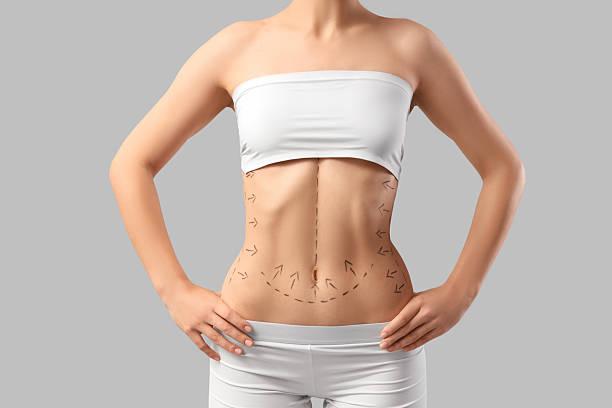
Maintaining a healthy lifestyle through balanced nutrition and regular exercise can improve overall fitness, but certain areas of the body may continue to hold stubborn fat deposits. These resistant areas can affect natural body contours and make achieving a proportionate appearance challenging. For individuals seeking a targeted solution, Liposuction in Riyadh offers a surgical body-contouring approach designed to remove localized fat and refine selected areas. Understanding why stubborn fat develops, how liposuction works, and which areas can be treated helps individuals make informed decisions about their body-shaping goals.
Fat distribution varies from person to person due to genetics, hormones, age, and individual body composition. Some people notice persistent fat around the abdomen, waist, thighs, upper arms, or back despite maintaining consistent lifestyle habits. Liposuction in Riyadh may help address these concerns by targeting specific fat deposits that do not respond easily to traditional weight-management efforts. Rather than functioning as a weight-loss treatment, the procedure focuses on improving body contours and creating smoother transitions between different areas.
Stubborn fat refers to localized fat deposits that remain noticeable even when an individual follows a healthy routine. These deposits can develop in different body regions depending on genetics, hormonal influences, and natural fat distribution. While lifestyle changes remain important for maintaining overall health, they do not always produce uniform changes in every part of the body.
Fat storage patterns are influenced by several biological factors. Genetics can determine where the body naturally stores fat, while hormonal changes may influence fat distribution around the abdomen, hips, and thighs. Age-related changes in metabolism and body composition can also affect how fat accumulates. These factors explain why some areas may remain difficult to refine through exercise alone.
Weight loss generally reduces overall body fat, whereas body contouring focuses on selected areas. A person may maintain a relatively stable weight but still experience localized fat deposits that affect their desired silhouette. Liposuction addresses these specific concerns by removing suitable fat deposits rather than treating the entire body as a weight-loss target.
Liposuction is a surgical procedure that removes localized fat using a thin instrument called a cannula. The surgeon makes small incisions in carefully selected locations and uses controlled movements to remove excess fat from beneath the skin. The treatment plan depends on the patient's anatomy, targeted areas, and desired contour improvements.
The abdomen is one of the most common areas where stubborn fat accumulates. Excess fat around the upper or lower abdomen can make the midsection appear less defined. Liposuction may help reduce suitable localized deposits and create a smoother abdominal contour. However, it does not correct significant loose skin or separated abdominal muscles, which may require other surgical options.
Fat deposits around the waist and flanks can reduce the appearance of natural body curves. Carefully planned fat removal may help create a more defined waistline and smoother transitions between the abdomen and hips. The final appearance depends on the individual's natural structure and skin elasticity.
The thighs and hips can retain fat deposits that influence the overall proportions of the lower body. Liposuction may address selected areas, such as the inner or outer thighs, when appropriate. A personalized approach is important to maintain balanced contours and avoid excessive fat removal.
Localized fat around the upper arms and back can sometimes create uneven outlines beneath clothing. Treatment may help improve definition in these regions by reducing selected fat deposits. Skin quality and elasticity are particularly important when determining whether the procedure is likely to produce satisfactory results.
Liposuction may be suitable for adults who have stable body weight, localized fat deposits, and realistic expectations about surgical body contouring. Individuals with relatively good skin elasticity may be better positioned to achieve smoother results after fat removal. Good general health is also important when considering an elective surgical procedure.
A professional consultation is necessary to determine suitability. The surgeon evaluates medical history, examines the treatment areas, discusses aesthetic concerns, and explains the expected benefits and limitations. Individuals with significant medical conditions or concerns affecting surgical safety may require further assessment.
Before surgery, the selected areas are assessed and marked according to the treatment plan. Depending on the technique and extent of treatment, local anesthesia with sedation or general anesthesia may be used. Small incisions are created, and a cannula is inserted to remove targeted fat through controlled movements. The incisions are then managed according to the surgeon's approach.
The procedure's duration depends on the number of areas being treated and the complexity of the surgery. Patients should discuss anesthesia, potential complications, expected recovery, and realistic outcomes with their surgeon beforehand.
Recovery is an important part of achieving the intended outcome. Temporary swelling, bruising, tenderness, and discomfort may occur after surgery. Compression garments are often recommended to support the treated areas and manage swelling. Patients should follow medical instructions regarding wound care, physical activity, and follow-up visits.
Some improvements may be noticeable after surgery, although swelling can temporarily affect the appearance of the treated areas. As healing progresses, body contours gradually become more defined. Final results may take several months, depending on individual recovery and the extent of treatment.
Maintaining a stable body weight is essential for supporting long-term results. Regular exercise, balanced nutrition, and healthy daily habits can help preserve the improved contours. Although liposuction permanently removes targeted fat cells, remaining fat cells can still enlarge following significant weight gain.
Every person's fat distribution, skin elasticity, and body structure are different. An individualized treatment plan allows the surgeon to select appropriate areas and determine how much fat can be safely removed. The goal is to achieve natural-looking contours rather than excessive changes. Patients should also understand potential surgical risks, including infection, bleeding, contour irregularities, fluid accumulation, and anesthesia-related complications.
If resistant fat deposits are affecting your desired body shape, a professional assessment can help you understand suitable treatment options. Royal Clinic Saudi offers an opportunity to discuss your body-contouring goals and explore an individualized approach. Schedule a consultation to learn whether liposuction is appropriate for your needs and expectations.
1. Which areas can liposuction treat?
It can target the abdomen, waist, thighs, arms, back, hips, and chin.
2. Can exercise eliminate all stubborn fat?
Not always. Some localized fat deposits may remain despite regular exercise.
3. Is liposuction suitable for everyone?
No. Suitability depends on health, skin elasticity, body weight, and individual goals.
4. Are liposuction results permanent?
Removed fat cells are permanent, but remaining cells can enlarge with weight gain.